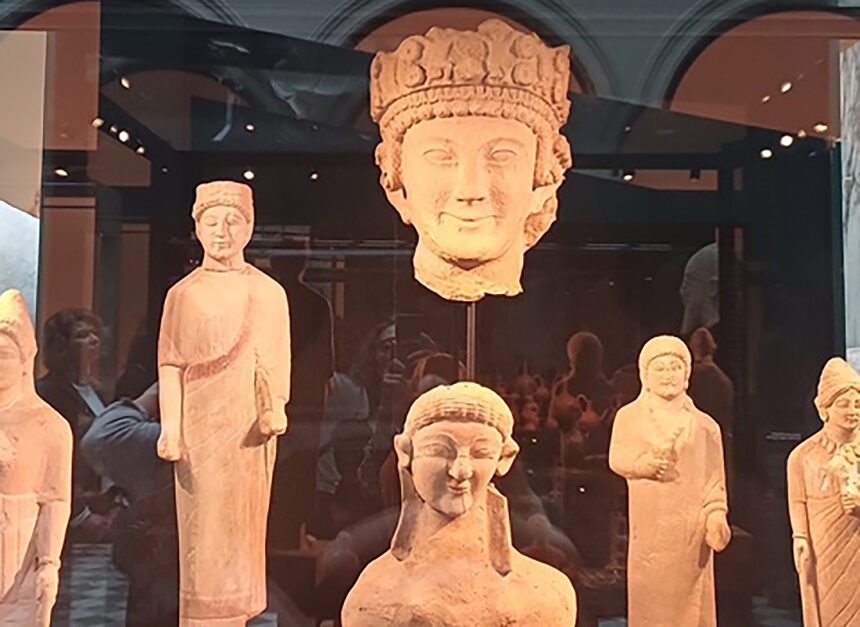
Reviving Cyprus’s archaeological heritage has become a focal point for artists and researchers aiming to connect the past with contemporary discussions. Between 1927 and 1931, the Swedish Cyprus Expedition unearthed over 20 archaeological sites, establishing a foundation for archaeology in Cyprus. Despite this significant contribution, the impact of their work has largely faded from public consciousness a century later.
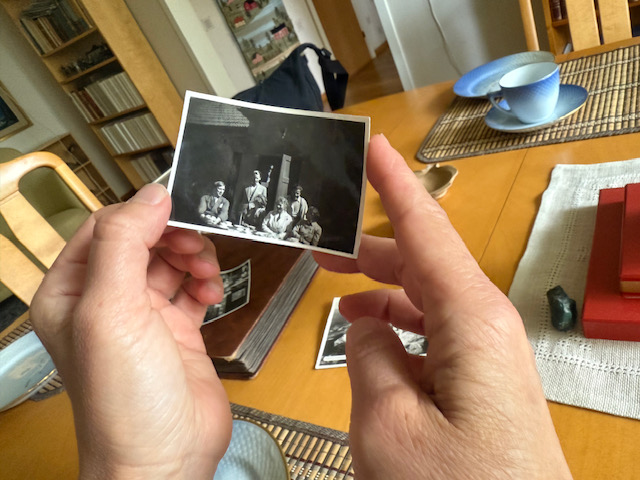
Photo: cyprus-mail.com
Archaeological heritage: Bridging Two Cultures Through Art
Ellada Evangelou, a theatre scholar, described how her engagement with photographs from the expedition sparked her interest in the intersection of Swedish and Cypriot cultures during a recent workshop at the Nicosia Municipal Arts Centre (Nimac). “These pictures really started to speak to me as a theatre scholar because you understand that two worlds were coming together in the 1920s,” she explained, highlighting the importance of these visuals in addressing themes of colonialism and identity.
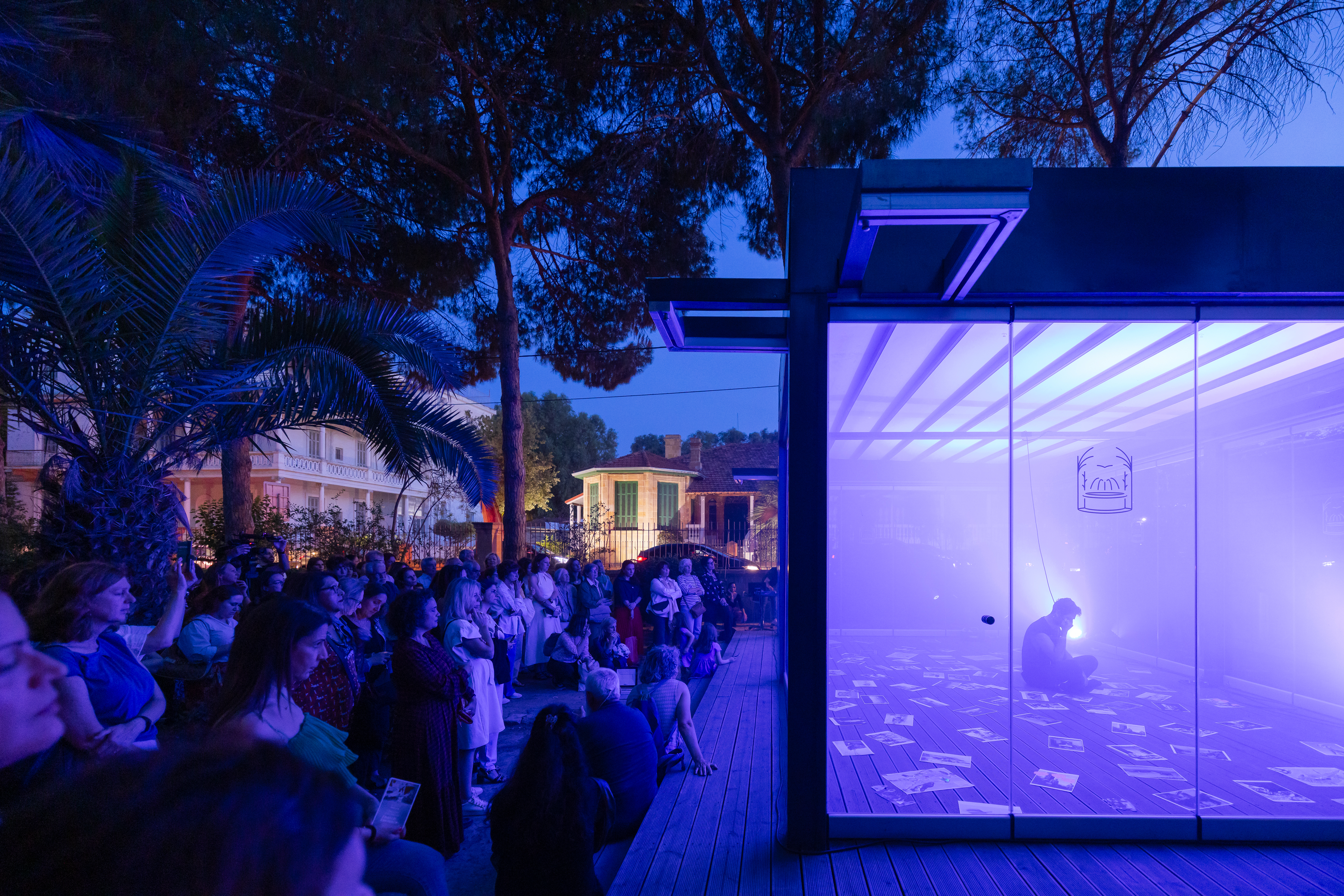
Photo: cyprus-mail.com
Collaborative Roots of the Project
Alongside museologist Despo Pasia, Evangelou began to explore how their respective fields could converge. Pasia noted, “We had no idea what to do but then the idea of bringing together what we both do began to develop.” This collaboration led to the inception of the Performing Collections Performing Archives project, which aims to weave theatrical practice into museum spaces, thereby creating new narratives that extend beyond traditional archaeological research.
Interdisciplinary Approaches in Museums
The project reflects a growing trend in global museums, which have embraced interdisciplinary practices since the late 20th century. Pasia emphasised that Cyprus has seen rapid development in this area over the past decade. “People expect these kind of practices at the moment,” she stated, noting that museums worldwide are increasingly engaging in dialogue about their artifacts and the narratives they present.
Uncovering Untold Stories
The first phase of the project, spanning 2023-2024, focuses on revealing the hidden narratives of the workers involved in the expedition. A staged reading titled [In]Credible Histӧries: The Process is scheduled for April 2024 at the Cyprus Museum in Nicosia, followed by a promenade theatre performance in May 2025 to coincide with International Museum Day. Evangelou explained, “What we did in the first phase was to seek the buried stories of people that you don’t think of as characters.” This approach aims to give voice to local communities, particularly the workers and villagers who were often left out of historical documentation.
The Value of the Expedition’s Archive
A crucial element of this project is the extensive photographic archive from the Swedish Cyprus Expedition, which is housed in the museum and is publicly accessible. “We’re talking about some 14,000 photos,” said Pasia, “that focus not just on archaeological artefacts but also on the people and contexts involved.” One particularly striking photograph from 1928 shows the head archaeologist surrounded by local men at a coffee shop in Kalavassos, symbolising the cultural intersection of Sweden and Cyprus.
Exploring the Cypriot-Swedish Encounter
As the project moves into its second phase (2025-2026), the focus will shift to examining the interactions between Cypriots and Swedes throughout the expedition’s timeline. In March, a new promenade-style theatre performance will take place at the Medieval History museum in Stockholm, bringing historical figures back to life. “It’s not just the practices of these people; it’s their whole life, their choices, their feelings, their struggles,” Pasia remarked, underlining the project’s aim to create a comprehensive narrative.
Engaging with Descendants
The project also involves direct interviews and collaborations with the descendants of both archaeologists and local workers, enriching the narrative with personal stories. Evangelou noted, “We have located descendants of the archaeologists themselves and also relatives of one Cypriot worker who became a very iconic personality in this whole thing.” This addition of oral histories brings a human dimension to the academic study, creating a richer understanding of the expedition’s implications.
From Myth to Reality
The origins of the expedition also carry a sense of myth, as Evangelou explained how the Cypriot consul Loukis Pierides persuaded Swedish archaeologist Einar Gjerstad to excavate in Cyprus. This anecdote, steeped in folklore, is being examined through research that connects myth to the realities of funding, legal challenges, and the archaeological practices of the time. Evangelou stated, “It seems that with the help of Pierides, things were put in motion; fundraising by rich Swedes was happening.”
Future Directions: Education and Storytelling
In addition to the performances, the project aims to produce an audio guide and educational materials that weave together the diverse voices and stories uncovered during the research. “The project is there as a cultural product; it has this richness, it has all these voices,” Evangelou affirmed, contemplating how museums can adapt to modern expectations of storytelling. “It’s more about where do museums belong and how do they fit in the way we run our life today,” she added, emphasising the importance of relevance in cultural narratives.
Redefining Museum Narratives
Pasia concluded, “If you want the museum, the story to be relevant, it has to go into things that may seem unpleasant but nevertheless are reality.” The project as a whole seeks to challenge traditional museum narratives, offering a platform for voices that have historically been overlooked, thereby enriching the cultural tapestry of Cyprus and its archaeological heritage.