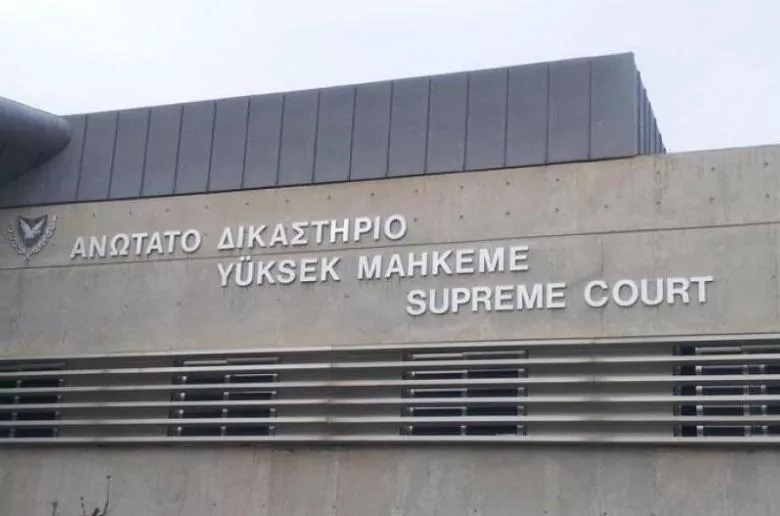
widow pension — widow pension — The Supreme Court has denied a widow’s claim for a pension, marking a pivotal decision in a case that highlights the complexities of pension law for retired civil servants. The case revolved around the Accountant General’s Office’s refusal to grant a pension to the widow of a retired civil servant, citing that their marriage occurred after his retirement.
The husband had retired on 1 February 1986, and the couple married on 11 December 2000. He passed away in 2016, shortly after the widow applied for the pension on 30 March of the same year. The application was denied based on Article 37(3) of the relevant law, which stipulates that marriages established after retirement do not qualify for widow’s pension payments.
The widow challenged this decision in the Administrative Court, which initially ruled in her favour. The court deemed Article 37(3) unconstitutional, arguing it violated the principle of equality by treating similar situations differently. This ruling referenced a previous case, known as the Dias decision, which involved the constitutionality of the Lotteries Law.
In the Dias case, the court concluded that a lack of legislative provision could not be rectified by judicial intervention, as doing so would shift the court’s role from interpretation to legislative reform. The Administrative Court’s stance suggested that the law’s application was flawed in its treatment of the widow’s situation.
However, the Supreme Court’s ruling reached the Appeals Court, where the initial judgement was overturned. The Appeals Court clarified that the scope of the Dias ruling was not limited to cases with no legal provisions but could also apply to instances where amendments to existing laws were sought.
The Supreme Constitutional Court, comprised of nine judges, unanimously ruled that the widow’s application did not seek to interpret Article 37(3) directly. Instead, it aimed to reinterpret the implications of the Dias decision. The court indicated that the applicant’s assertion of a misinterpretation required consideration under Article 28 of the Constitution.
In their ruling, the justices stated, “Regardless of whether the Appeals Court’s decision is correct, we judge that the legal question formulated does not fall within any of the established preconditions of Article 9(2)(c).” They concluded that the application was essentially a disguised request to review the correctness of the Appeals Court’s decision, which fell outside their jurisdiction.