Wildfires have wreaked havoc across the Republic of Cyprus, leading to devastating losses and prompting a large-scale emergency response.
Wildfires Raging in Cyprus: A National Emergency
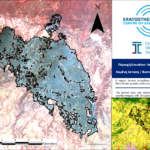
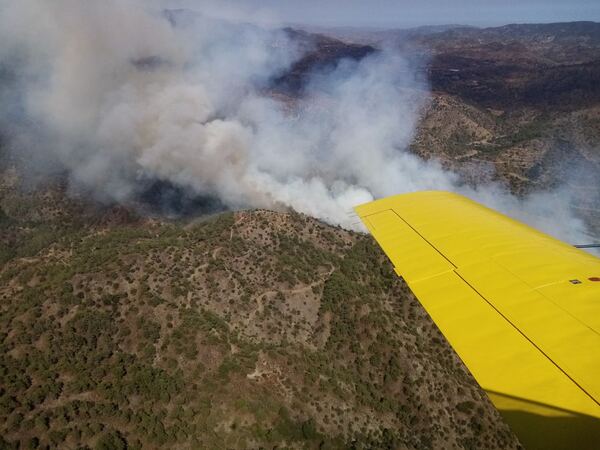
Firefighters appeared to have brought the catastrophic fires in Cyprus under control late Thursday, following a turbulent two-day battle against flames that devastated over 120 square kilometres of forest and agricultural land. The situation intensified as the fires threatened multiple villages, leading to the evacuation of 14 communities near Limassol.
Tragically, the wildfires have claimed the lives of two individuals. Authorities discovered two charred bodies in a burnt-out vehicle, with one found on Wednesday night and the second on Thursday morning along the Monagri-Alassa road. Alongside these fatalities, at least ten people sustained injuries, with two of them suffering severe burns and requiring transport to Nicosia General Hospital.
The fires ignited on Wednesday and continued relentlessly into Thursday, exacerbated by harsh weather conditions, including strong winds and soaring temperatures. The meteorological service issued an orange alert for extreme heat as Thursday recorded a staggering 44.7 degrees Celsius, marking it as one of the hottest days since 1983.
On the same day, additional fires erupted in the Paphos district, prompting road closures and ongoing civilian rescues. A tremendous effort was mobilised with more than 250 firefighters tackling the blazes. Aerial support included 18 aircraft, bolstered by firefighting units dispatched from Spain, and assistance from British Base helicopters at Akrotiri.
International Support and Resources Mobilised
The firefighting efforts saw international assistance pour into Cyprus. Two Egyptian and two Jordanian helicopters joined the firefighting team on Thursday, while Israel dispatched a pair of C-130 planes for night-time water drops. Furthermore, 26 firefighters arrived from Greece to bolster the local efforts.
EU Commission President Ursula von der Leyen expressed solidarity with Cyprus, stating, “The EU stands with Cyprus as it fights major wildfires. We have urgently mobilised support via our Civil Protection Mechanism. This summer, nearly 670 firefighters from 14 countries and a #rescEU fleet of 22 planes and four helicopters are deployed to countries in need.” The show of international unity illustrates the severity of the situation and the importance of rapid response in safeguarding life and property.
Investigation Underway: Arson Suspicions Linger
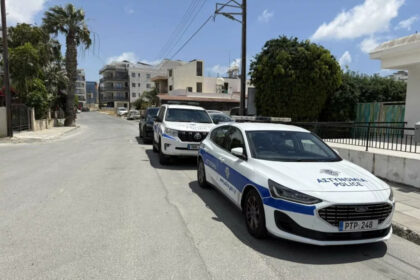
As investigations continue, speculation surrounding the fire’s origin has arisen. Chief Fire Officer Nicos Logginos revealed that eyewitness accounts pointed towards arson, noting that the fire originated at two separate locations within just 100 metres of one another at a landfill site. Evidence has been passed on to the police to assist in their investigation.
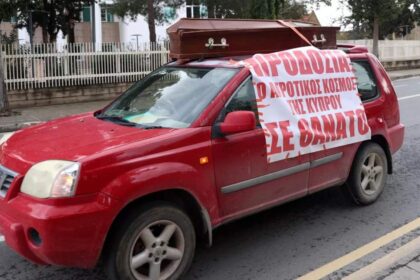
This incident has elicited mixed reactions from the public, with some citizens questioning the government’s preparedness and overall response. Government spokesman Constantinos Letymbiotis defended the administration against allegations of negligence, yet criticisms have surfaced regarding the absence of a public warning system (PWS), accessible through the universal emergency number 112. This has raised concerns about effective communication in emergencies, particularly in a time when such catastrophic events are becoming increasingly prevalent.
As Cyprus grapples with the catastrophic aftermath of these fires, the collective response from local authorities and international partners showcases the resilience of a nation under duress. The ongoing investigation will hopefully bring clarity and accountability to the circumstances surrounding the tragic events.
Looking Ahead: Lessons Learned for Future Prevention
The Cyprus wildfires serve as a crucial reminder of the growing threat posed by climate change and the need for improved fire safety measures. As the Republic of Cyprus evaluates its emergency management strategies, emphasis will undoubtedly be placed on enhancing public readiness and establishing robust systems for early warning. Ensuring that adequate resources and trained personnel are available to combat wildfires will be paramount in safeguarding communities and protecting natural landscapes.
The scars left by these wildfires will take time to heal, but they can also ignite a commitment to stronger preventive actions, ensuring that Cyprus is better equipped to face future challenges in an ever-changing climate.