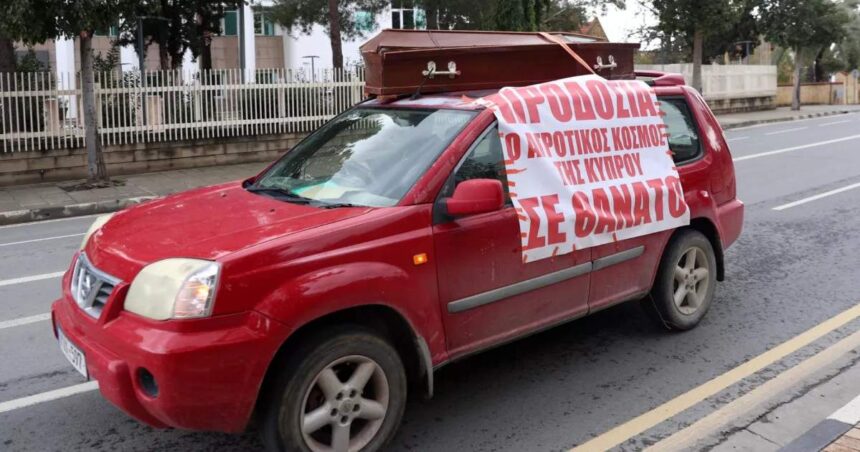
livestock farmers — Livestock farmers are set to march to the Presidential Palace in Nicosia on Friday, protesting against the culling of animals affected by foot-and-mouth disease. This demonstration comes as the farmers express their concerns over the impact of the government’s actions on their livelihoods.
Livestock farmers: Gathering Details and March Route
The protest is scheduled to begin at approximately 10:00am, with participants gathering near the GSP Stadium. From there, they will make their way towards the Presidential Palace, where they are expected to arrive around 11:00am. The march aims to draw attention to the plight of farmers facing the loss of their livestock due to the ongoing health crisis.
Police Management and Public Safety
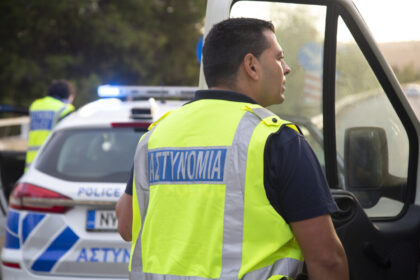
In anticipation of the protest, the police have announced a traffic management plan to ensure public safety and minimise disruption in Nicosia. Authorities are advising both participants and the general public to adhere to police instructions during the event. This precaution is aimed at maintaining order and facilitating the march without incident.
Concerns Over Animal Welfare and Economic Impact
The farmers’ protest is rooted in deep concerns regarding animal welfare and the economic repercussions of the culling policy. The government has been culling livestock to control the spread of foot-and-mouth disease, a highly contagious viral infection that affects cloven-hoofed animals. Farmers argue that such measures not only threaten their livelihoods but also raise ethical questions about the treatment of animals.
Voices from the Farming Community
Farmers have voiced their frustrations, highlighting the emotional and financial toll that the culling has taken on their families and businesses. One farmer stated, “We feel helpless as we watch our animals being taken away. This is not just about money; it’s about our way of life.” Another emphasised the need for alternative solutions, saying, “There must be better ways to manage this disease without destroying our herds.”
Government’s Stance and Health Measures
The government maintains that the culling is a necessary measure to prevent a wider outbreak of the disease, which could have severe implications for both animal and public health. Officials have pointed out that the decision was made after consulting with veterinary experts who recommend strict control measures to contain the spread.
Future of Livestock Farming in Cyprus
The ongoing situation has sparked a broader discussion about the future of livestock farming in Cyprus. As farmers rally for their rights, questions arise about sustainable practices and support systems for those affected. The government is under pressure to balance public health concerns with the economic viability of the agriculture sector.
Potential Outcomes of the Protest
As the march approaches, many are watching closely to see how the government will respond to the farmers’ demands. The protest could serve as a catalyst for dialogue between the farming community and the authorities, potentially leading to reassessment of current policies and practices surrounding livestock management.
Community Support and Solidarity
Support for the farmers has been evident from various community groups and organisations, who have pledged to stand in solidarity with them during the protest. This collective action highlights the interconnectedness of the agricultural sector and the wider community, as many recognise that the health of the farming industry is vital for the economy and food security.
Looking Ahead: The Importance of Dialogue
The protest on Friday is not just about the immediate issues at hand but is also an opportunity for farmers to voice their concerns and seek a collaborative approach to managing agricultural challenges. As discussions continue, the hope is that a constructive dialogue can emerge, leading to solutions that address both public health and the needs of the farming community.