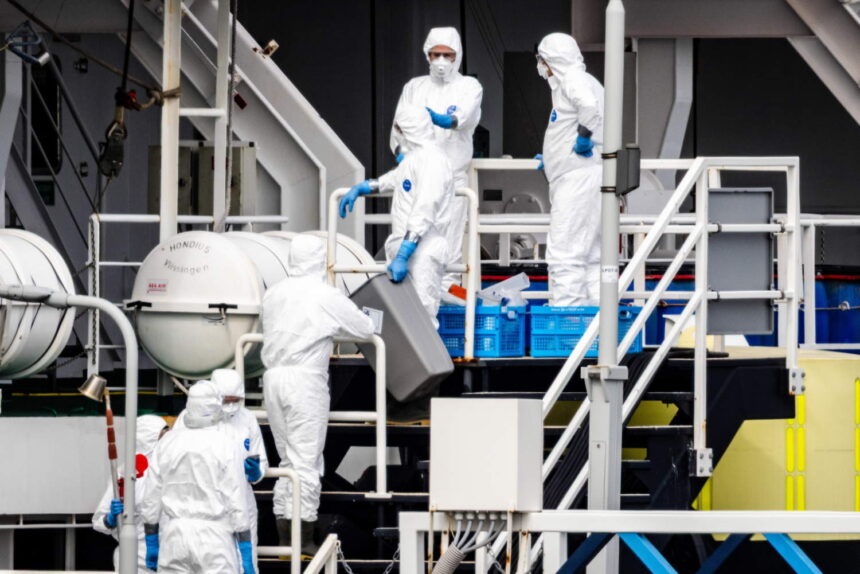
hantavirus — Cyprus is taking proactive steps to prepare for potential cases of hantavirus following a recent incident involving the MV Hondius cruise ship. The Ministry of Health has developed a comprehensive response plan aimed at managing any suspected Andes virus (ANDV) cases, notifying all General Health System doctors of the procedures that will be enacted if a case is identified.
- On the other hand, low-risk contacts will only need to engage in passive self-monitoring for six weeks, with no restrictions on their daily activities.
- To prevent panic and misinformation, all public communications regarding the situation will be managed exclusively by the Ministry of Health.
The plan, which was finalised on May 12, outlines the necessary actions that will be triggered in the event of a suspected case on the island. While the Ministry has emphasised that the risk to the general population remains extremely low—citing no evidence that the virus has established itself in Europe and that human-to-human transmission is rare—it acknowledges the seriousness of the disease and the potential for rapid health deterioration, necessitating full operational readiness.
Upon identifying a suspect case or exposure, the Ministry will activate a national coordination mechanism through a protocol known as the LITHO plan. This collaborative effort involves several key organisations, including the State Health Services Organisation (SHSO), Nicosia General Hospital, the Ambulance Service, the Cyprus Institute of Neurology and Genetics, as well as the Police and Civil Defence.
A suspect case is defined as any individual who has either travelled with or come into contact with a passenger or crew member from the MV Hondius and presents with symptoms such as fever, myalgia, gastrointestinal, or respiratory issues.
The response plan categorises contacts into high-risk and low-risk groups. High-risk contacts include those who shared a room or cabin with a confirmed case, intimate partners, individuals who were within two metres of a suspect case for more than 15 minutes, healthcare workers lacking appropriate protective equipment, and passengers seated near a suspect case on an aircraft.
Individuals identified as high-risk will be required to undergo strict self-confinement for 42 days at home. They must isolate in a separate room, avoid using public transport, wear a medical mask, and adhere to daily symptom monitoring under the supervision of public health authorities. Should they develop symptoms, immediate isolation and medical evaluation will be necessary.
On the other hand, low-risk contacts will only need to engage in passive self-monitoring for six weeks, with no restrictions on their daily activities.
Nicosia General Hospital has been designated as the sole reference facility for suspected or confirmed ANDV cases. Other public or private hospitals will not admit these patients but will play a role in identifying, temporarily isolating, and facilitating their safe transfer.
The health plan specifies rigorous protocols for patient care, including the use of single isolation rooms, mandatory masks, protective gowns and goggles, dedicated decontamination procedures, restricted staff access, and strict hand hygiene practices. Where available, negative pressure chambers will be utilised. Importantly, patients are prohibited from using public transport or travelling independently to emergency departments.
Laboratory confirmation of suspected cases will be conducted through serological tests and RT-PCR, with metagenomic next-generation sequencing (mNGS) employed as needed. Testing will be carried out at the Immunology Laboratory at Nicosia General Hospital and the Molecular Virology Department at the Cyprus Institute of Neurology and Genetics.
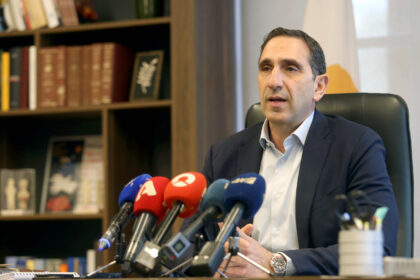
To prevent panic and misinformation, all public communications regarding the situation will be managed exclusively by the Ministry of Health.