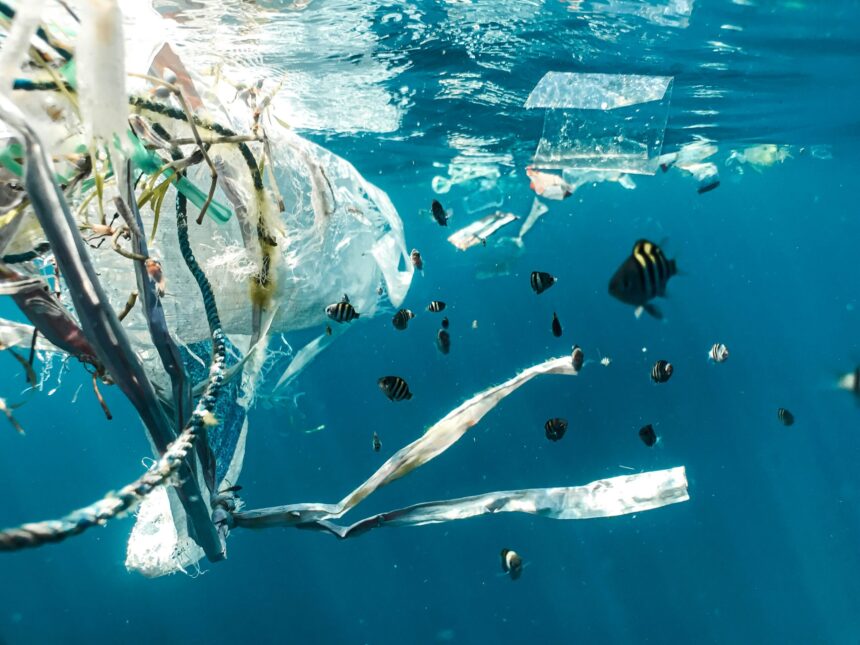
New regulations on forever chemicals and single-use plastics are poised to reshape environmental policy in Cyprus, following the island’s recent presidency of the EU Council. In February 2026, the Council approved a directive that for the first time imposes limits on a group of per- and polyfluoroalkyl substances (PFAS), often referred to as “forever chemicals,” in both surface and groundwater. This significant move was confirmed by the European Parliament shortly thereafter.
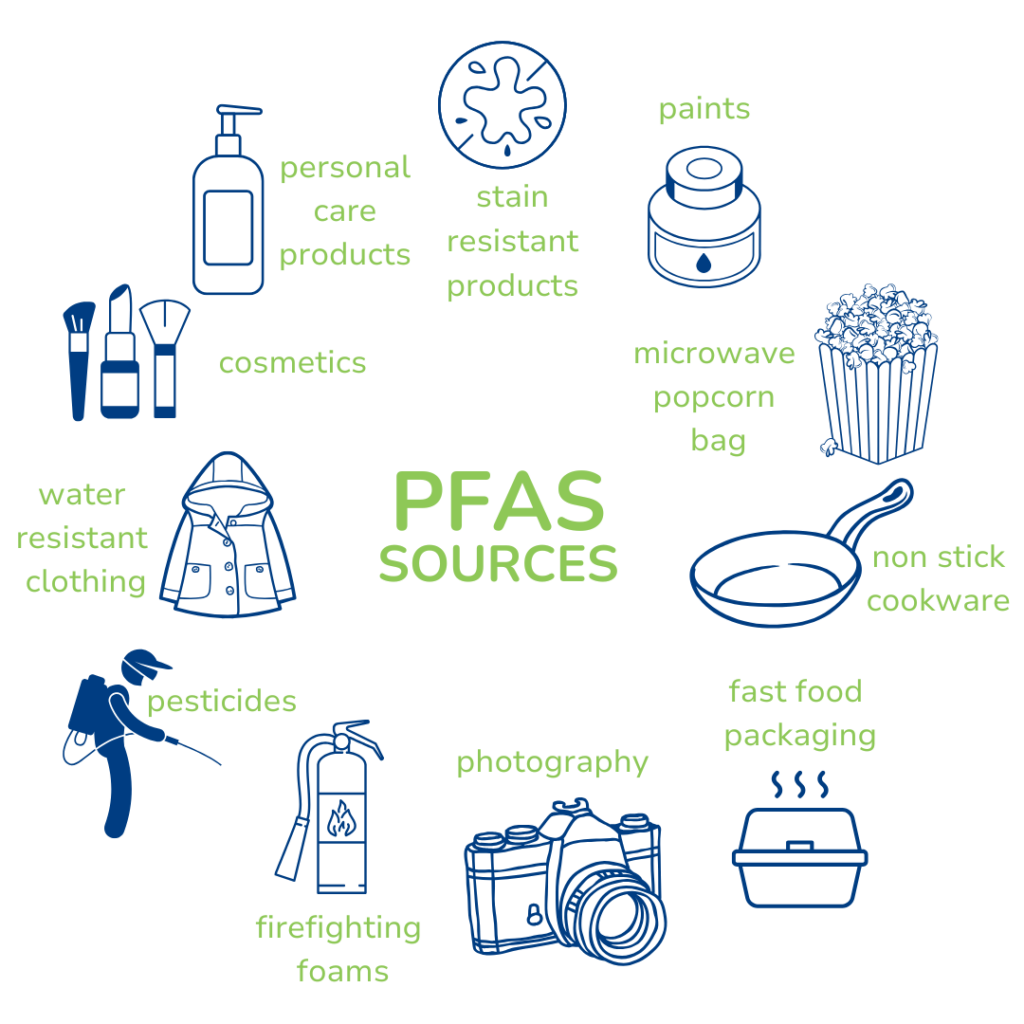
Photo: cyprus-mail.com
Forever chemicals: Prioritising Water Quality
Maria Panayiotou, Cyprus’ Agriculture and Environment Minister, emphasised that ensuring water quality was a top priority during the presidency. Given Cyprus’ deep connection to the sea—both economically and culturally—this initiative is more than just a regulatory measure; it resonates deeply with the island’s identity.
Immediate Changes with the Packaging Regulation
The most pressing change is the introduction of the Packaging and Packaging Waste Regulation (EU 2025/40), which takes effect on August 12, 2026. This regulation, being a direct law rather than a directive, means it will automatically apply across all EU member states without needing transposition into national law. Consequently, food-contact packaging that contains PFAS above established limits will no longer be permitted on the EU market.
From that date, various sectors—including producers, importers, supermarkets, cafés, and hotels—will need to adjust their practices. It will no longer suffice for businesses to claim their packaging is “food grade”; they must now provide documentation from suppliers confirming compliance with the new standards.
A Shift in Packaging Culture
While the PPWR targets the issue of single-use plastics and the throwaway culture, it also includes provisions that aim to encourage more sustainable practices. Starting February 12, 2027, take-away establishments will be required to allow customers to fill their own cups at the same price as disposables. Additionally, by February 12, 2028, they must offer a reusable option, either through a return system or a deposit scheme. Furthermore, from January 1, 2030, single-use plastic packaging for food and drink consumed on the premises will be prohibited.
Exceptions and Their Implications
However, the regulatory landscape is not without its exceptions, which could dilute the intended impact. The reusable-packaging requirement set for 2028 will not apply to micro-enterprises—those with fewer than ten employees and a turnover or assets below €2 million. This loophole is particularly concerning in Cyprus, where a significant portion of cafés, kiosks, and takeaways fall into this category.
As a result, many small businesses that contribute significantly to single-use cup waste will be exempt from these new regulations. This means that larger establishments, such as hotels and chains, will be more likely to comply, while the independent outlets, which dominate the market, may continue to operate under the old model.
Challenges in Enforcement
The effectiveness of these new regulations hinges largely on enforcement, an area where Cyprus has historically struggled. The country was notably delayed in implementing the 2019 Single-Use Plastics Directive, passing relevant legislation only in 2022 after facing potential EU infringement actions. This history raises questions about the commitment to enforcing the new rules.
Charalampos Theopemptou, a former Greens MP and environmental advocate, has voiced concerns that previous legislation was hurriedly passed and riddled with loopholes. He warned that the current regulations might follow a similar path, diluting their effectiveness.
Assessing the Water Directive
The water directive that Cyprus helped to finalise also warrants scrutiny. During negotiations, member states chose to align PFAS limits with existing drinking-water thresholds rather than adopting more stringent levels recommended by scientists. Compliance deadlines have been pushed to 2039, with extensions potentially extending to 2045, raising doubts about the urgency of these measures.
Simply listing a chemical does not guarantee its removal from water sources, and national authorities have until December 2027 to transpose these regulations. For an island reliant on clean water and a vibrant coastline, the direction indicated by these initiatives is promising, but the risk remains that they may be treated as mere formalities rather than actionable measures to combat pollution.
A Path Forward for Cyprus
As Cyprus embarks on this new regulatory journey, the challenge will be to ensure that the rules are not only robust but also effectively enforced. The potential for positive change exists, but it requires a commitment from both government authorities and the business community to uphold environmental standards. The regulations on forever chemicals and single-use plastics represent a critical opportunity for Cyprus to enhance its environmental policies and protect its natural resources for future generations.