paphos-polis road — The new Paphos-Polis road will be a four-lane motorway, as confirmed by President Nikos Christodoulides. This much-anticipated infrastructure project aims to enhance connectivity between Paphos and Polis Chrysochous.
Paphos-polis road: Government Commitment to Development
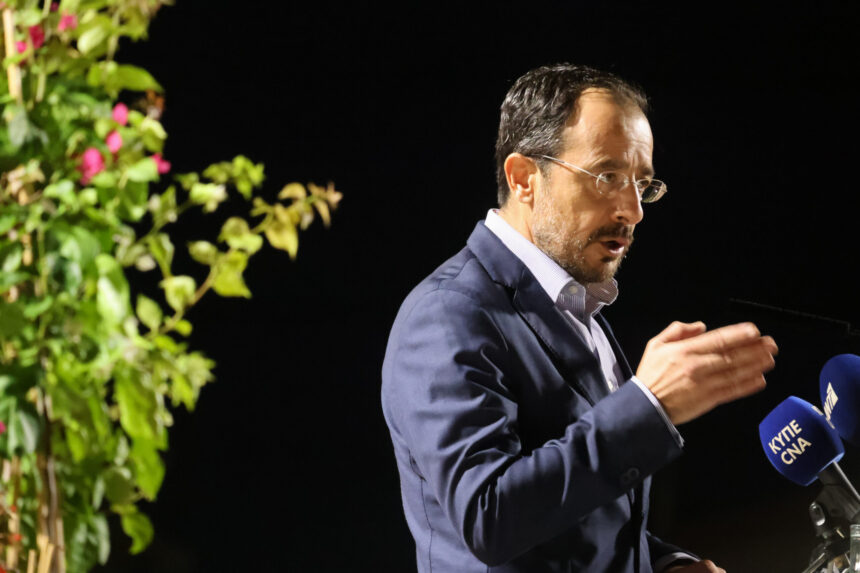
During a visit to Polis Chrysochous, President Christodoulides announced the government’s decision to proceed with the construction of a four-lane motorway linking the two towns. He stated, “Our government … has decided and will proceed with the construction of a four-lane motorway, while our planning also includes the creation of an additional access road at Mesogi, in addition to the existing one at Ayia Marinouda.”
Design and Project Timeline
Christodoulides outlined that the road will be designed as a regular motorway similar to those found across free Cyprus. He expressed confidence that the project will significantly contribute to unlocking the region’s potential. The completion date is projected between 2030 and 2032, depending on challenges that may arise during construction, particularly concerning the junction for Mesogi.
Phased Approach to Construction
The road will be built in phases, with the first phase connecting Ayia Marinouda to the village of Stroumbi, which lies approximately midway between Paphos and Polis Chrysochous. A tender for this initial phase has already been announced. Christodoulides also indicated that a tender for the second phase, which will link Stroumbi to Polis Chrysochous, is expected to be announced within the first quarter of the following year. “These are the government’s clear timetables,” he affirmed.
Addressing Project Delays and Financial Challenges
Christodoulides acknowledged past difficulties with the project, particularly concerning stalled contracts and rising costs. He emphasised the government’s readiness to improve or terminate problematic contracts that have hampered progress. This includes addressing issues stemming from the contract with Greek contractor Intrakat, which was initially signed in 2021 and valued at just under €73 million plus VAT.
Revised Cost Estimates
Recent estimates have placed the total cost of the road’s construction at €90.2 million plus VAT. This significant increase is attributed to various factors, including the cancellation of the initial contract with Intrakat, now known as Aktor, and the rising costs of construction materials. The public works department stated that intensive efforts were made to resolve issues with the contractor, but demands for additional funding and extended timelines were deemed excessive.
Contractor Disputes and Future Steps
In April of last year, Intrakat requested €30 million in additional funding and a 34-month extension for project completion. By October, these demands had escalated to €34 million and a 59-month extension, despite the project being only 21.1% complete. The public works department noted that such requests raised concerns about potential future demands and delays.
Legal Proceedings and New Tenders
Aktor has sought damages of €35 million following the termination of its contract. The Transport Minister, Alexis Vafeades, has indicated that the tenders review authority is expected to make a decision on the matter in early October, which will allow the government to proceed with a new tendering process for the project. Vafeades expressed commitment to implementing cabinet decisions and moving forward with the new tenders.
The Impact on Local Communities
The establishment of a four-lane motorway is anticipated to have a significant impact on local communities, improving access and encouraging economic growth. The road’s development is seen as a vital step in enhancing the transport infrastructure in the region, which has been long awaited by residents and businesses alike.
Future Prospects
As the project progresses, it is hoped that the government will maintain transparency and efficiency in its execution. The commitment to a four-lane motorway reflects a broader vision for improving transportation across Cyprus, promising to make travel safer and more efficient for all users.