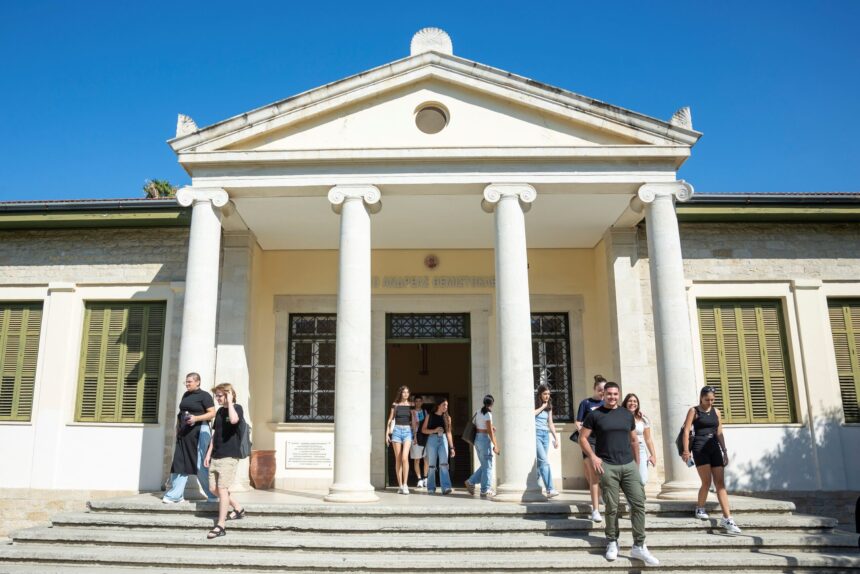
The Cyprus University of Technology, commonly known as Tepak, is set to welcome 1,000 new students in the upcoming academic year, with 800 undergraduates and 200 postgraduate students enrolling for master’s and doctorate programmes. This influx marks a significant increase from previous years, largely attributed to the introduction of four new academic programmes launching next Monday.
During the orientation week, newly enrolled students were introduced to their respective study programmes, ensuring they are well-prepared for the start of classes. Senior university officer Antonis Vrasida noted the rise in student numbers and highlighted the university’s commitment to facilitating a smooth transition for all students.
One of the pressing issues addressed by Vrasida was the ongoing challenge of affordable student housing. Each year, about half of Tepak’s students require assistance with accommodation, with approximately 700 out of 1,400 students seeking help. To combat this, Tepak offers around 300 beds in dormitories located near its main campus in Limassol, alongside a cooperative arrangement with the Holy Synod providing an additional 200 beds.
In Paphos, where Tepak operates a second campus, further support includes 150 dormitory placements arranged through the local municipality. Vrasida mentioned that the allocation of dormitory spaces is determined by students’ socioeconomic status, ensuring support reaches those who need it most.
This academic year, around 300 students will benefit from a rental allowance of €250 per month for ten months, aimed at easing the financial burden of housing. Vrasida expressed optimism about the completion of privately owned dormitories in Kato Polemidia, with 150 beds expected to be available this year and a total of 500 by 2027.
“If things go well, the [private] dormitories will be fully completed by 2027,” he stated, indicating a future where Tepak aims to automatically provide dormitory placements for all first-year students. This initiative is part of a broader effort to assist older students facing significant housing challenges.
In addition to housing, the student welfare services at Tepak are working to streamline the approval process for dormitory placements, increasing the timeframe for students to secure housing options. Vrasida emphasised the importance of providing timely responses to students, ensuring their needs are met efficiently.
Of the 800 new undergraduates, 600 will study at the main campus in Limassol, while 200 will be enrolled at the Paphos campus. Tepak’s proactive approach to both education and student welfare demonstrates its commitment to fostering a supportive environment for its growing student body.