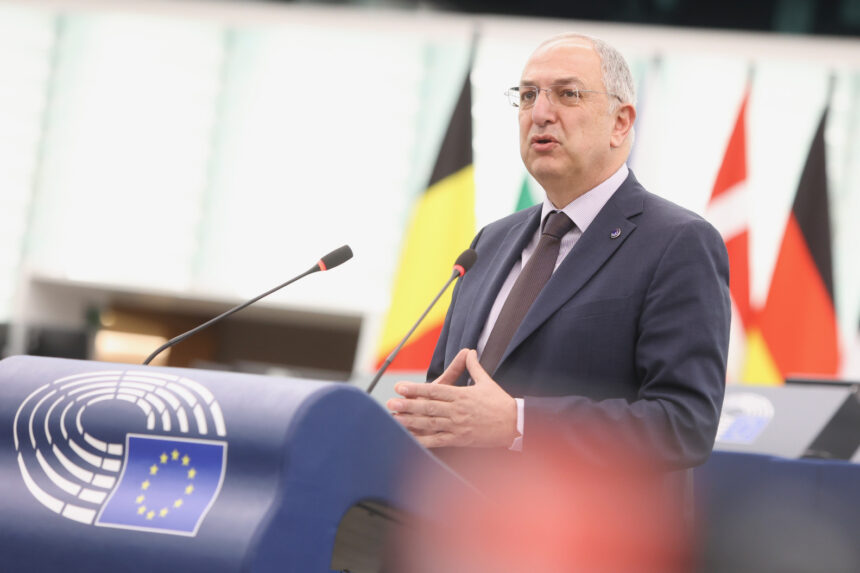
illegal fishing — illegal fishing — Illegal and unregulated fishing remains one of the biggest threats facing the Mediterranean, according to European Commissioner for Fisheries and Oceans Costas Kadis. Speaking on Thursday in Limassol during events marking European Maritime Day, he emphasised the need for stronger regional cooperation to protect the marine environment.
Kadis pointed out that this pressing issue is a core priority under the Mediterranean Pact, which was announced last October. This pact encompasses specific initiatives aimed at addressing various challenges that the region faces. “One of the major challenges is illegal and unregulated fishing, and for this issue in particular, the Mediterranean Pact includes a dedicated initiative for cooperation among all countries in the Mediterranean basin,” he stated.
He expressed optimism about finding solutions through collaboration, stating, “I believe that through cooperation we can find solutions, and this is where we will invest in the coming period.” This sentiment was shared during a gathering that Kadis described as the European Union’s flagship maritime event, which unites policymakers, industry representatives, and organisations linked to the sea and the blue economy.
The event serves as a platform to assess the progress made since the launch of the EU’s Ocean Pact last year, which includes over 90 policy actions and initiatives. Kadis reaffirmed the importance of showcasing advancements in implementing these initiatives, underscoring the significance of marine sustainability.
Deputy Shipping Minister Marina Hadjimanolis expressed her enthusiasm for Cyprus hosting the conference in Limassol, noting the participation of over 900 delegates and 45 exhibitors. She highlighted the Mediterranean Pact as a vital opportunity for nations to confront shared maritime challenges, stressing that environmental sustainability is an immediate concern rather than a distant prospect. “If our seas are not sustainable, this will affect the daily lives of every European citizen,” she warned.
When asked about marine pollution, Hadjimanolis identified it as one of today’s most pressing issues. Last week, her ministry announced initiatives totalling more than €200,000 aimed at prevention, with aspirations to avoid reactive measures to environmental incidents. “With everyone’s cooperation, I believe we will succeed this year. I hope we will not face any incidents,” she remarked.
Limassol mayor Yiannis Armeftis expressed pride in hosting the event, highlighting its recognition of Limassol’s role in the Eastern Mediterranean and the blue economy. “Limassol and the sea go together,” he remarked. “It is a source of life for the city.” This sentiment was echoed by Greek Agriculture Minister Kostas Tsiaras, who spoke about the need for maritime sustainability to be as critical as the commercial shipping industry. He noted that the focus should not solely be on the commercial aspect but also on fish stock sustainability and coastal protection.
With Cyprus playing a prominent role in European maritime affairs, the event in Limassol holds particular significance for collaboration among nations in the Mediterranean. Kadis and other officials hope that the discussions and initiatives stemming from European Maritime Day will lead to effective strategies to combat illegal and unregulated fishing, ensuring the health of the marine environment for future generations.