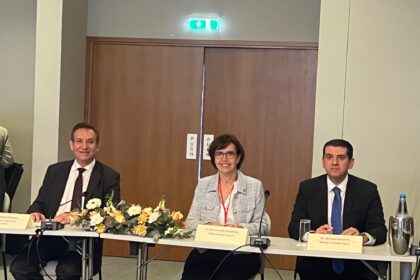
Decarbonisation of transport is a significant challenge that the government is actively addressing, according to Transport Minister Alexis Vafeades. During a round table discussion in Limassol on Monday, he highlighted the necessity of transforming the transport system as part of the broader green transition. This transformation is not only a political imperative but also a vital social necessity that impacts environmental sustainability, economic growth, and public health.
Decarbonisation of: Ambitious Goals for Greenhouse Gas Reduction
Vafeades noted that Cyprus has committed to ambitious goals in line with European Union legislation, aiming to reduce net greenhouse gas emissions by at least 55 per cent by 2030. The long-term objective is to achieve climate neutrality by 2050. This commitment underscores a proactive approach to tackling climate change and promoting sustainable practices within the transport sector.
The Role of Technology in Transportation
As urban areas continue to expand, the demand for efficient and sustainable transportation options is increasing. Vafeades pointed out that technology has a critical role to play in transforming the transport sector into a catalyst for growth, innovation, and sustainability. He emphasized the necessity of adapting to new technologies that promote cleaner forms of mobility.
Promoting Electric Mobility
Electric mobility is a central focus of the government’s strategy, with Vafeades describing it as a shift in philosophy rather than merely a change in fuel type. The ministry is actively promoting a gradual transition to cleaner transportation methods. This includes plans to subsidise the purchase of zero-emission vehicles, with a total budget of €45 million allocated for this initiative. Additionally, funds are set aside for the withdrawal of older, more polluting vehicles.
Investment in Charging Infrastructure
To facilitate the transition to electric vehicles, a budget of €4 million has been earmarked for the installation of electric vehicle charging points across the country. The development of this infrastructure is crucial in supporting the adoption of electric mobility, ensuring that users have convenient access to charging facilities.
Renewing Public Transport Systems
The government also plans to renew the bus fleet and improve bus stops and routes to enhance public transport services. Vafeades believes that these improvements will encourage more residents to consider public transport as a viable alternative to private car usage. By making public transport more efficient and accessible, the government aims to reduce congestion and emissions in urban areas.
Encouraging Active Transportation
In addition to public transport enhancements, the ministry is promoting infrastructure for bicycles and electric scooters. This includes initiatives to encourage carpooling, smart parking solutions, and effective traffic management systems. By diversifying transportation options, the aim is to create a more sustainable urban environment that supports various modes of transport.
Integrating Mobility with Urban Planning
Vafeades highlighted the importance of urban planning in integrating mobility principles into development projects and infrastructure upgrades. The goal is to design cities that prioritise cleaner air, reduced urban noise, increased green spaces, and safer routes for pedestrians and cyclists. This holistic approach is essential for fostering a sustainable future for urban areas.
Resources for a Successful Transition
Cyprus possesses the necessary resources to succeed in its decarbonisation efforts, as Vafeades pointed out. The government is leveraging both national initiatives and European Union plans to support this transition. However, he cautioned that the shift to green transport would not occur overnight, stressing the importance of continuous effort and commitment from all stakeholders.
A Vision for Limassol’s Future
Limassol Mayor Yiannis Armeftis echoed Vafeades’ sentiments, stating that the goal of achieving climate neutrality by 2030 is not merely an environmental ambition but a comprehensive strategy for the city’s future. Limassol is actively participating in EU projects aimed at enhancing sustainability. The Limassol climate contract, approved by the European Commission, outlines a roadmap for upgrades worth approximately €1.4 billion, with €1 billion expected to be sourced from private investments.
Looking Ahead
As discussions surrounding the decarbonisation of transport continue, it is clear that collaborative efforts between government bodies, municipalities, and citizens will be crucial. The journey towards a greener transport system in Cyprus is underway, with a focus on innovation and sustainability at its core. The challenges are significant, but with determination and the right strategies, the vision for a decarbonised transport system can become a reality.