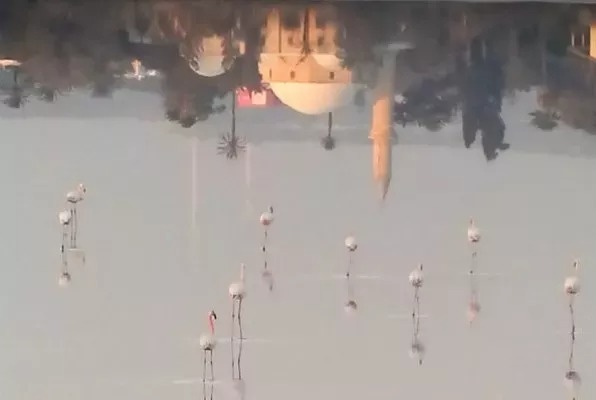
The arrival of the first flamingos in Cyprus marks the beginning of the winter period for these stunning migratory birds, a significant event at Larnaca Salt Lake. This location serves as a vital refuge in the Eastern Mediterranean, welcoming several hundred flamingos to its wetlands.
However, this picturesque scene is tinged with concern as experts warn of a notable decline in the flamingo population, estimated between 14% and 31% since 2013. According to Nikos Kasinis, Senior Officer of the Game and Fauna Service, the decline is alarming and highlights the challenges faced by these birds.
Kasinis outlined the five natural wetlands across Cyprus where flamingos can be found: Akrotiri in Limassol, Larnaca Salt Lake, Paralimni Lake, Oroklini Lake, and some lakes in occupied Famagusta. These wetlands are crucial habitats, with Larnaca and Akrotiri Salt Lakes hosting the largest numbers. Typically, around 5,000 to 10,000 flamingos winter in these areas, representing a significant portion of the Eastern Mediterranean population.
“Monthly counts of waterbirds conducted systematically by the Game and Fauna Service and BirdLife Cyprus for over two decades show a population decline of the species in Cyprus,” Kasinis stated. He discussed the findings presented at the recent 4th International Flamingo Symposium held in Italy from 10-15 November, where experts gathered to address the plight of flamingos.
The causes of the population decline are multifaceted. Kasinis pointed to frequent droughts, poor-quality water inflows leading to reduced food availability, and pressures from development and incompatible activities surrounding the wetlands as significant factors. These challenges underscore the delicate balance required to maintain these ecosystems and the species that depend on them.
To combat these issues, Kasinis mentioned Project Pandoteira, a ten-year initiative co-financed by the EU LIFE Programme. This project aims to fill knowledge gaps regarding the specific needs of various species for feeding, nesting, and resting, while also addressing the threats they face. Flamingos are among the species targeted for conservation efforts under this initiative.
By addressing these knowledge gaps, the project aims to foster targeted conservation actions, ultimately improving the status of flamingos within Special Protection Zones. Kasinis noted that achieving these conservation objectives is vital, not only for the flamingos but also for the broader Natura 2000 network areas that encompass these species.