The Cypriot state must stay the course with the Great Sea Interconnector (GSI), as emphasised by Energy Minister George Papanastasiou on Monday. His remarks came amid scepticism from the outgoing Vice President of the European Investment Bank (EIB), who labelled the project a financial non-starter.
Great sea: Focus on Electrical Interconnection
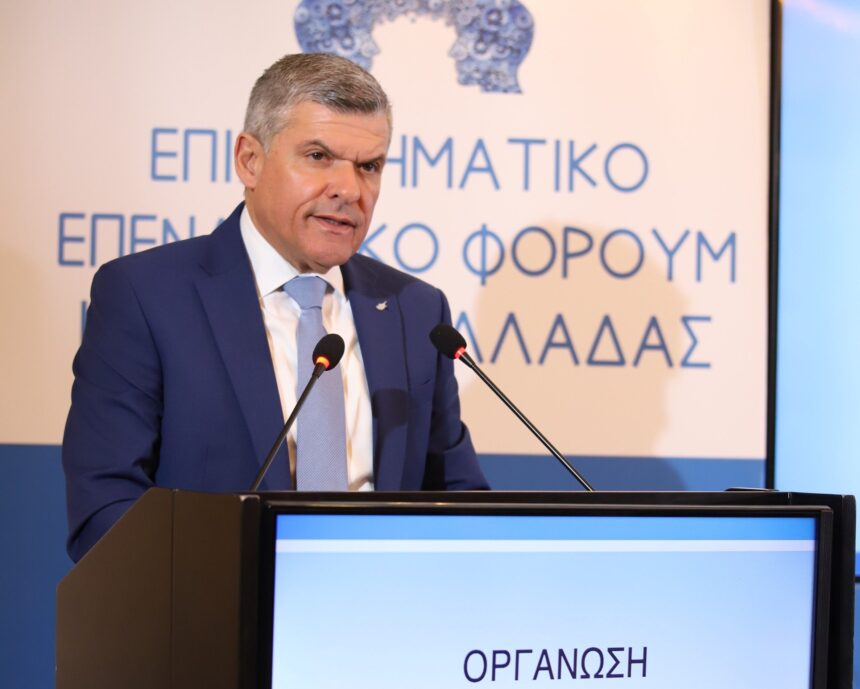
Papanastasiou addressed the importance of the GSI at an event in Paphos, stating, “As a state, we need to remain focused on implementing the electrical interconnection.” He asserted that the project is fundamentally a European endeavour, discounting any commentary from sources outside the European Commission as unnecessary. This statement alludes to recent public comments from officials in both Cyprus and Greece regarding the project’s viability.
Upcoming Meetings on the Project
The next crucial three-way meeting concerning the GSI is scheduled for November 12 in Brussels, involving Papanastasiou, his Greek counterpart, and the European Commissioner for Energy. This follows a teleconference held on October 16, where they discussed the project’s status and future plans.
Financial Concerns Raised
The outgoing Vice President of the EIB, Kyriacos Kakouris, expressed concern over the financial feasibility of the GSI. He remarked that the bank has not received sufficient explanations from either the Greek or Cypriot governments on how they plan to integrate the GSI into their broader energy strategies. “On its own, the project, based on the decisions of the regulatory authorities, appears not to be viable,” Kakouris stated.
He further pointed out that the project’s costs have escalated significantly, rising from the initial estimate of €1.4 billion, which was supported by EU grants. According to Kakouris, the financial landscape suggests that the cost of lending alone could potentially double the total project expenditure, with repayment periods stretching over 20 to 25 years.
Consumer Impact and Transparency Issues
Another pressing issue is the lack of clarity regarding how consumers will be charged for the interconnector. The agreed reimbursement ratio places two-thirds of the financial burden on Cypriot consumers and one-third on Greek consumers. Kakouris emphasised the need for assurance that these charges will be outweighed by the benefits to consumers. “There needs to be an assurance that this charge on consumers will be less than the benefit,” he insisted.
Political Reactions and Criticism
The political landscape surrounding the GSI is fraught with tension. The opposition party, Akel, has accused the government of inconsistency regarding its commitment to the project. They argue that the GSI is not financially viable, highlighting that the final costs remain unclear and questioning whether consumers will ultimately benefit from the interconnector.
Akel has demanded that President Nikos Christodoulides provide immediate clarification on several critical points: why no formal loan request has been made to the EIB, whether the state intends to acquire a stake in the GSI shareholding, and whether the project is considered financially sustainable. The party’s concerns reflect the broader anxieties surrounding the project’s future and its implications for consumers.
The Path Forward for the GSI
Despite the challenges and scepticism surrounding the Great Sea Interconnector, Papanastasiou remains steadfast in the belief that Cyprus must continue to pursue the project. He highlighted the strategic importance of the GSI for both Cyprus and the region, suggesting that overcoming these financial and logistical hurdles is essential for the country’s energy future.
The upcoming meetings and discussions will be pivotal in determining the trajectory of the GSI. As stakeholders from Cyprus, Greece, and the European Commission convene, the focus will be on finding solutions to the financial uncertainties and ensuring that the project can proceed in a manner that serves the best interests of consumers and the broader energy landscape.