The Environmental Authority has given approval for a new energy storage unit in Psevdas, Larnaca district, with a capacity of 59MW and 120MWh. This project, owned by H.E.S.S. Hybrid Energy Storage Systems Ltd, is set to enhance the stability of the national grid during peak demand.
Details of the Energy Storage Project
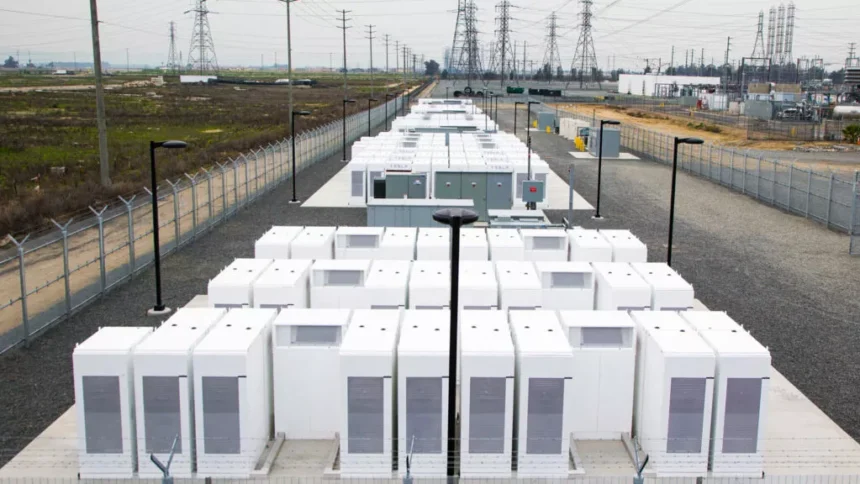
The energy storage system will feature 59 batteries, each providing 2MW of power, housed in prefabricated containers. Additional infrastructure includes eight medium-voltage transformer premises, 259 power converters, a control centre, and a medium-voltage EAC substation. There is also the provision for 14 additional battery positions in the future.
The facility will draw high-voltage current (132kV AC) from the EAC grid, converting it into direct current (DC) for storage. During high demand periods, this stored energy will be fed back into the grid, aiding in stabilising electricity supply.
Construction and Environmental Considerations
Spanning a 49,165-square-metre plot within the D1 Livestock Zone, the site is strategically located near both the EAC substation and the Ayia Anna Wind Farm. A modest 6.1% of the site will be occupied by permanent structures. The Environmental Authority determined that the anticipated environmental impacts could be managed effectively, thus waiving the need for an Environmental Impact Assessment Study.
While the zone is designated for livestock, the Authority noted that the area’s topography makes animal farming both technically challenging and financially unviable. This justification, alongside the site’s proximity to existing energy infrastructure, supports the project’s compatibility with the local land use.
Project Costs and Timeline
With an estimated cost of €22 million, construction is projected to take around ten months from the start date, once all necessary permits are secured. The approval process highlighted potential environmental impacts associated with the construction phase, such as vegetation clearing, soil removal, and noise pollution.
Mitigation Strategies in Place
To mitigate these impacts, a series of measures have been outlined. These include relocating olive trees, using excavation materials for landscaping, implementing underground cabling, and controlling dust through surface wetting. An emphasis on waste management and fire protection is also part of the operational plan.
During the operational phase, concerns were raised regarding potential solid waste and hazardous substances from machinery maintenance. The facility is expected to consume approximately 4,380,000 kWh annually for operational needs and air conditioning.
State Agencies Weigh In
The Department of Agriculture expressed concerns about the project’s location within a unified agricultural area, warning of a possible shift in land use. However, the Departments of Forests and Water Development did not object, provided that certain conditions are met, notably in protecting a nearby watercourse and the CY-18 Underground Water System.
Next Steps for H.E.S.S. Hybrid Energy Storage Systems Ltd
With the Environmental Authority’s approval secured, H.E.S.S. Hybrid Energy Storage Systems Ltd is now awaiting the issuance of a town planning permit. Once granted, the project will move forward, significantly bolstering the country’s energy infrastructure and providing effective solutions for managing electricity demand and grid stability.