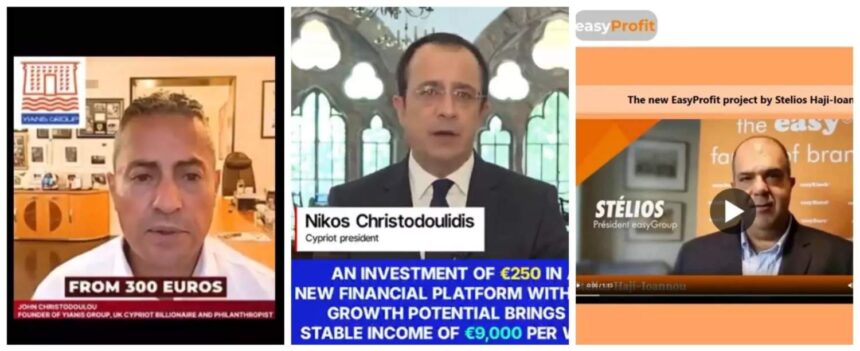
AI-generated scam videos impersonating President Nicos Christodoulides and other high-profile figures have duped Cypriots out of thousands of euros, prompting urgent warnings from authorities. Around 15 victims collectively lost between €10,000 and €15,000 after being lured by a deepfake video featuring Christodoulides alongside politicians Averof Neophytou and Haris Georgiades.
- As the landscape of AI-generated scams continues to evolve, the responsibility lies with both individuals and authorities to remain informed and proactive in combating this growing threat.
These misleading videos promoted a fake investment platform that promised unrealistic financial returns, exploiting the trust placed in well-known personalities. Giorgos Michailidis, Commissioner of the Digital Security Authority, indicated that citizens are left vulnerable to such sophisticated scams, as no effective protective mechanisms currently exist.
Ai-generated scams: Authorities Highlight Growing Threat of AI Scams
Michailidis noted the increasing difficulty in spotting the fraudulent content, stating, “It’s very difficult for someone to protect themselves. They need to be very observant.” He highlighted that the technology behind deepfake videos is evolving, making it harder for individuals to discern authenticity.
The use of high-profile individuals in these scams has been a recurring theme over the past few months. In March, Sir Stelios Haji-Ioannou, founder of easyGroup, alerted the public to a cryptocurrency scam that misused his image and company name. The scam encouraged potential victims to register with a fictitious company called “easyProfit,” promising exorbitant returns from cryptocurrency investments.
Celebrity Endorsements Used for Deception
Other well-known figures, including singer Anna Vissi and European Central Bank President Christine Lagarde, have also been featured in similar fraudulent investment scheme videos. Even businessman John Christodoulou fell victim to this trend, as a scam video circulated on social media showing him endorsing dubious investment opportunities. He promptly clarified on his personal account, “It’s not me.”
In an alarming twist, a fake Facebook page impersonating Phileleftheros used Greek presenter Sakis Tanimanidis to promote an app that claimed to offer large financial returns. Additionally, a fabricated video featuring Donald Trump circulated around Easter, where he supposedly wished Cypriots well while making outrageous statements.
Challenges in Identifying AI-Generated Content
Michailidis explained that AI scams can manifest in various forms, from deepfake videos to manipulated audio and written communications. He urged the public to remain vigilant, noting that even experts struggle to detect these fraudulent creations. He shared a cautionary example where a photo of a Greek rescuer during recent earthquakes was shown to have been manipulated, as the rescuer had six fingers.
With the European Union considering mandatory labelling for AI-generated content, Michailidis pointed out the limitation of this measure, stating it would only apply to AI tools used in good faith. Malicious actors are unlikely to comply with any labelling requirements.
Call for Public Vigilance and Legislative Action
In light of the increasing sophistication of these scams, Michailidis emphasised the importance of public education. He advised citizens to independently verify the information they encounter. “People must not believe what they see, even if it looks real. They need to check it,” he reiterated.
Christofidis, a local MP, has taken proactive steps by proposing laws that would criminalise the unauthorised use of individuals in AI-generated materials. He expressed concern over the rapid advances in AI technology, stating, “If today we can tell, in one or two years when it’s perfected, it will be impossible to realise.” His call for the European Union to mandate social media platforms to label AI content underscores the urgent need for protective measures against potential misuse.
As the landscape of AI-generated scams continues to evolve, the responsibility lies with both individuals and authorities to remain informed and proactive in combating this growing threat.