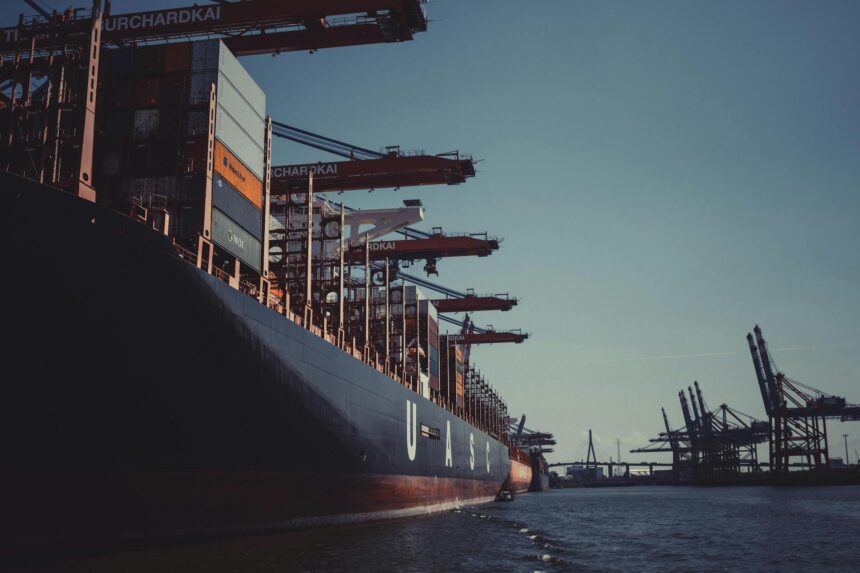
The global shipping industry is grappling with a critical human-resources crisis as seafarers leave life at sea for work ashore. This trend, highlighted by Paul Bartlett during the COP30 side-event titled ‘The Global Seafarer Emergency,’ poses significant risks to the safety of the fleet that transports over 80 per cent of world trade.
Seafarers: Increased Pressure on Crews
Growing dissatisfaction among seafarers stems from a combination of factors, including bullying, discrimination, excessive working hours, fatigue, limited shore leave, and a lack of connectivity with family. These pressures have been exacerbated by extended contracts, leading to prolonged physical and psychological strain on crews.
Expert Insights on Current Challenges
At the webinar, Lloyd’s Register Chief Marketing Officer, Philippa Charlton, emphasised that shipping is the backbone of global trade, covering containers, dry and liquid cargo, and gases. She pointed out that the sector’s transition to low- and zero-carbon fuels necessitates extensive new training for both new recruits and existing seafarers in methanol, ammonia, and hydrogen.
Training Gaps and Workforce Statistics
Ruth Boumphrey, Chief Executive of Lloyd’s Register Foundation, outlined the enormity of the challenges facing the maritime workforce. Currently, around 1.9 million seafarers operate on approximately 112,500 merchant ships globally. Notably, half of these seafarers hail from the Asia-Pacific region, with 33 per cent from Europe and a mere 4 per cent from Africa. Alarmingly, only 1.3 per cent of the workforce comprises women.
With 64 per cent of seafarers having received no training on decarbonisation or new fuels in the past two years, the sector is at risk. By 2030, it is estimated that 450,000 seafarers will require specialist training, with this figure rising to 800,000 thereafter.
Forecasts Indicate Staffing Shortages
Recent data from the International Chamber of Shipping estimates the global seafaring workforce at approximately 1,892,720. Meanwhile, forecasts from Drewry indicate a potential shortage of senior officers reaching 10 per cent by 2030, driven by fleet expansion, early retirements, and limited new entrants into the field.
Surveys conducted over the past few years reveal a marked decline in working conditions. A study projected for 2025 found that 42 per cent of seafarers plan to retire early, with many citing delayed or incomplete wage payments as a reason for their dissatisfaction.
Rising Abandonment Cases
The International Transport Workers’ Federation (ITF) has recorded a staggering 30 per cent increase in abandonment cases in 2025, with over 2,286 seafarers stranded on 222 vessels. This alarming trend underscores the urgency of addressing the industry’s workforce issues.
Labour Shortages Threatening Supply Chains
A report from the Global Maritime Forum has highlighted that labour shortages have reached a 17-year high, jeopardising the resilience of global supply chains. Capt Stylianos Dimouleas, founder of Almi Tankers and a former seafarer, pointed out the added pressures crews face amid geopolitical tensions and regional conflicts.
He asserted that welfare and wellbeing should be integral to management systems, advocating for the notion that digital connectivity is a right, not merely a benefit. Furthermore, he noted that leadership and management training for senior officers is vital to enhancing safety culture across fleets.
Cyprus’ Maritime Sector Faces Unique Challenges
Cyprus, a leading ship-management hub, is particularly affected by the ongoing workforce crisis. The island relies heavily on internationally sourced seafarers to manage the vessels under its purview. According to the Chambers Global Practice Guide, Cyprus stands as the largest third-party ship-management centre in Europe.
With over 200 shipping-related companies active on the island, approximately 55,000 seafarers are employed worldwide. Financial data reveal that ship-management revenues in Cyprus reached €978 million in the first half of 2025, with crew-related costs accounting for 66 per cent of total expenses, highlighting the industry’s dependence on an increasingly strained workforce.
Future Implications for Cyprus’ Maritime Goals
As Cyprus prepares for its EU Council Presidency in 2026, the growing labour drain at sea intersects directly with the sector’s objectives concerning decarbonisation and safety. A tightening global supply of trained seafarers could impede recruitment efforts, escalate operational costs, and complicate the adoption of alternative fuels within the Cyprus-managed fleet.
Ultimately, the accelerating exodus from seafaring, the widening training gap, and the surge in abandonment cases reveal a sector under significant stress at a critical juncture. The ability of the global shipping industry and key hubs like Cyprus to maintain safe operations while achieving decarbonisation goals will hinge on improving welfare conditions and attracting a new generation of skilled crew members.