Archaeologists have recently uncovered a significant Bronze Age craft settlement at the Kisonerga–Skalia site in Paphos, dating back to around 2500 BC. This discovery provides a glimpse into the artisanal practices and community structure of the time, shedding light on the socio-economic dynamics of early Cypriot society.
Bronze age: Excavation Highlights and Findings
The excavation, led by Dr Lindy Crewe from the Cyprus American Archaeological Research Institute (Caari), has revealed a thriving settlement that continued to flourish until approximately 1600 BC. This site preserves an extensive array of remains that span from the Chalcolithic period through to the Middle Bronze Age, indicating a continuity of habitation and cultural evolution.
According to the Department of Antiquities, the Bronze Age settlement appears to have succeeded the nearby Neolithic Kisonerga–Mosfilia settlement. The timeline of abandonment aligns with a notable shift towards larger communities that emerged elsewhere on the island, reflecting broader Mediterranean trends during this era.
Architectural Complexity of the Settlement
The excavations have uncovered a major building complex that was constructed following the demolition of earlier residential structures on the northern slope of the site. Research suggests that the settlement was founded around 2500 BC and underwent significant redevelopment near the end of the Middle Bronze Age, around 1750 BC.
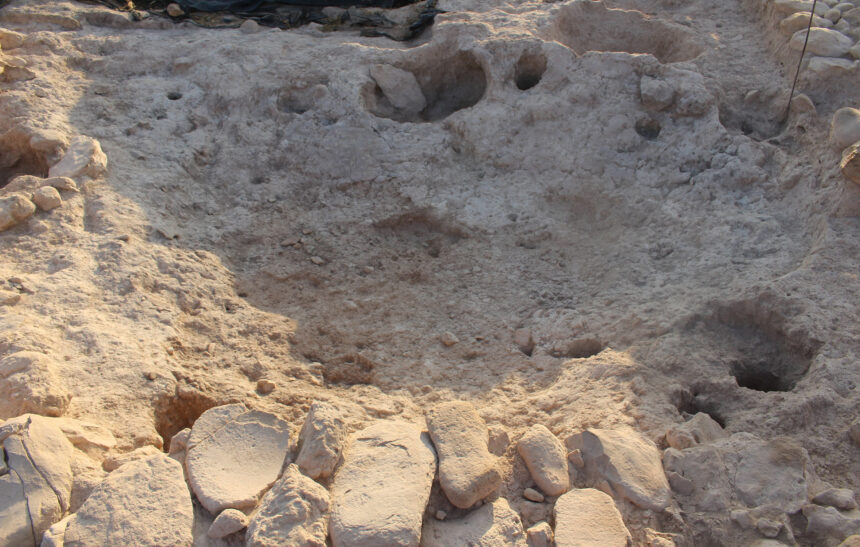
Archaeological evidence indicates that the settlement was primarily dedicated to craft production rather than domestic living. This is evident from the features discovered, including large hearths, designated material-processing areas, and numerous storage vessels. The skilled layering of materials and the highly structured nature of the construction point to an organised artisanal economy and a community with a notable level of social complexity.
Noteworthy Discoveries Within the Complex
Among the standout features of the site is the discovery of two ovens located within an L-shaped courtyard. Earlier excavations had already revealed a domed oven, but the latest findings included a larger hemispherical oven, approximately twice the diameter of the previous one. This larger oven was found to contain stone tools, ceramic fragments, and animal remains, and was constructed using a mixture of mud and lime.
The systematic wet-sieving of the oven’s contents yielded traces of turpentine, suggesting that wheat and quail were dietary staples for the inhabitants during the Early Bronze Age. This not only provides insight into the dietary habits of the community but also highlights the technological advancements in food preparation and storage.
A Window into Early Cypriot Culture and Economy
The site at Kisonerga–Skalia offers a rare opportunity for researchers to study Bronze Age craft production in detail. The main building complex, which was abandoned shortly after its construction, has been largely undisturbed by later historical activities, allowing for a clearer understanding of the daily lives and practices of its former inhabitants.
As excavation teams continue their work, they aim to deepen their understanding of the daily activities, craft techniques, and dietary habits of the people who lived in this settlement. This research not only enhances knowledge of local history but also contributes to the broader narrative of early Mediterranean civilisations.
Implications for Understanding Mediterranean Trends
The abandonment of the Kisonerga settlement mirrors trends seen throughout the Mediterranean during the same period, where smaller, artisanal settlements gradually gave way to larger urban centres. This transition reflects significant shifts in social organisation, trade, and resource management within the region.
Dr Crewe and her team’s ongoing efforts seek to unravel the complexities of these developments, particularly focusing on how the artisans of Kisonerga contributed to and were influenced by the wider socio-economic transformations occurring across Cyprus and beyond.
The findings at Kisonerga–Skalia not only underscore the settlement’s importance as a craft production hub but also illuminate the intricate web of relationships that defined early Bronze Age communities. As archaeologists peel back the layers of history, each discovery adds depth to our understanding of a transformative era.