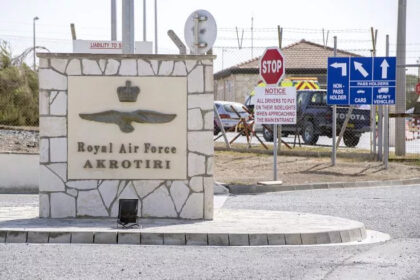
The new power architecture in the Eastern Mediterranean is significantly influenced by Cyprus’s strategic position, according to Spyros Litsas, a Professor of International and European Studies at the University of Macedonia. As the region undergoes a geopolitical transformation marked by rising tensions, Cyprus finds itself navigating complex relationships with major players like the United States, Israel, and Turkey.
Eastern mediterranean: Shifting Geopolitical Balances
The global landscape is witnessing a reconfiguration into a bipolar reality, with the conflicts in Ukraine and the Middle East serving as catalysts. Litsas notes that the Eastern Mediterranean has become a crucial arena where the interests of regional and global powers intersect. “Cyprus is at the crossroads of East and West, which presents both challenges and opportunities for the island nation,” he explained.
Cyprus’s Strategic Alliances
Despite facing security threats from a revisionist Turkey, Cyprus has forged strong alliances, particularly with the US and Israel. Litsas emphasised the importance of these relationships: “Should Cyprus be called upon to fight for its very survival, this time Greece will not be absent. This is something we must repeat constantly, everywhere and without asterisks.” The collaboration with Greece is further bolstered by Cyprus’s historical ties and mutual interests.
The Rise of Turkey
Turkey’s recent geopolitical maneuvers have raised concerns for both Cyprus and Greece. Litsas pointed out that Turkey is attempting to position itself as an independent player in the international arena, which poses a threat to regional stability. “Turkey’s actions are detrimental to Greece’s national positions and to Cyprus’s security,” he stated, while also noting that both countries have the capacity to defend their interests against Ankara’s ambitions.
Impacts of Global Conflicts
The ongoing wars in Ukraine and the Gaza Strip have also affected the Eastern Mediterranean’s geopolitical balance. Litsas highlighted that these conflicts have created friction that extends into the region, with countries like Turkey gaining influence. Cyprus, with its stable relationship with Israel, stands as a counterbalance to Turkey’s growing power.
Challenges Ahead for Cyprus
Despite its strategic alliances, Litsas acknowledges that Cyprus has been slow to modernise its armed forces and adopt new defence strategies. He warns that failing to adapt could leave Cyprus vulnerable in a rapidly changing geopolitical landscape. He suggests that Cyprus must also prepare for potential shifts in the balance of power as Turkey continues to assert itself.
Evaluating Turkey’s Regional Role
As Turkey’s geopolitical influence increases, Litsas urges a realistic assessment of its position. He cautions against underestimating Turkey’s capabilities and intentions, citing its historical aspirations for dominance in the region. “Turkey suffers from Animus Dominandi syndrome. It wants to prevail over all others,” he remarked, underscoring the necessity for Greece and Cyprus to remain vigilant.
Future of Greek-Turkish Relations
Looking ahead, Litsas sees little room for genuine rapprochement between Greece and Turkey, attributing this to Turkey’s entrenched nationalistic politics. He reflects on the lack of political will in Turkey to pursue peaceful relations, indicating that until a change occurs, Turkey will continue to be viewed as a primary geostrategic threat.