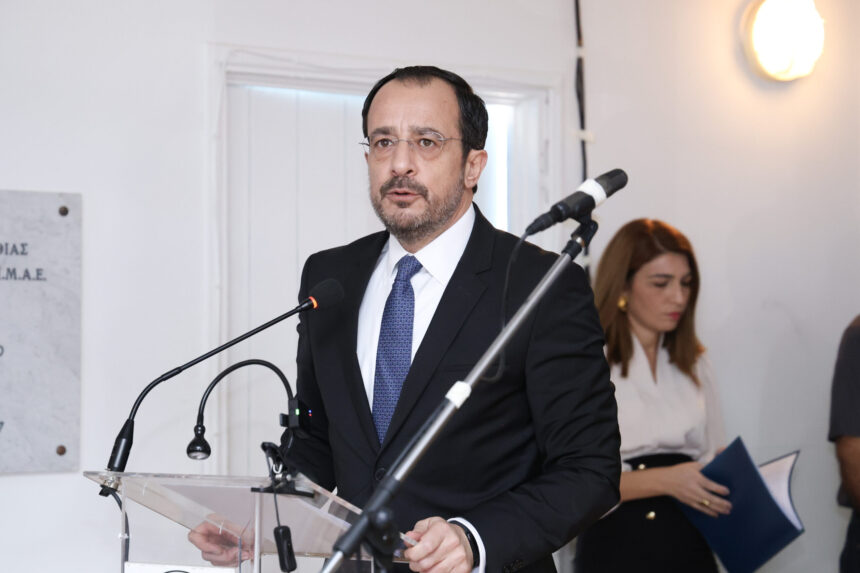
cyprus tax — cyprus tax — President Nikos Christodoulides has renewed his call for swift legislative action on proposed reforms to Cyprus’ tax regime, emphasising the need for these changes to be implemented from the start of next year. His appeal came during an event in Kokkinotrimithia, where he expressed hope that the discussions among members of parliament could conclude promptly.
“After so many years, the government has brought concrete proposals, and I want to publicly appeal for the discussions to be completed as soon as possible so it can be implemented on January 1 for the benefit of the Cypriot people,” he stated. This renewed urgency follows the recent cabinet ratification of six bills aimed at reforming the tax structure, which Christodoulides had previously dubbed as needing an “immediate” response from MPs.
In his remarks, the President underscored the significance of timely decisions: “Now is the time for parliament to vote.” Echoing this sentiment, Finance Minister Makis Keravnos expressed optimism regarding the potential for quick passage of the bills, emphasising the importance of cooperation among parliamentary parties.
Cyprus tax: Proposed Changes to Income Tax and Thresholds
The proposed reforms include notable adjustments to the income tax framework. One of the key changes is raising the tax-free income threshold to €20,500 per year, an increase of €1,000 from its existing level, which has remained unchanged since Cyprus adopted the euro in 2008. This adjustment aims to alleviate the tax burden on lower-income earners.
Furthermore, the top income tax rate of 35 per cent will now apply only to individuals earning more than €80,000 per year, a significant rise from the previous threshold of €60,001. This shift reflects a broader strategy to make the tax system more equitable while encouraging higher earners to contribute more.
Incentives for Families and Green Investments
The reform package also introduces additional tax benefits aimed at supporting families and promoting sustainable practices. Parents will benefit from an extra €1,000 for every dependent child. Additionally, the plan provides €1,500 of tax-free income for parents who are either purchasing their first home or renting, alongside €1,000 for parents making “green investments.”
Single parents will see a doubling of the tax-free amount, recognising the unique challenges they face. These measures are designed to provide both immediate financial relief and long-term benefits, encouraging responsible financial planning among families.
Corporate Tax Adjustments and Compliance Measures
On the corporate front, the reforms propose an increase in corporation tax from 12.5 per cent to 15 per cent, aligning Cyprus with European Union standards. This rise in corporate taxation is part of a broader commitment to ensuring fiscal responsibility while enhancing public services.
Furthermore, the government aims to tackle tax evasion through stringent new measures. Proposed initiatives include empowering authorities to seal off businesses that consistently fail to issue receipts or invoices. Non-payment of income tax would be criminalised, and fines for tax offenders would be significantly raised, reflecting a zero-tolerance approach towards tax malpractices.
Looking Ahead: The Path to Implementation
As the government pushes for these reforms, the urgency is palpable. With Christodoulides advocating for their implementation by January 1, the pressure is on parliament to act swiftly. The proposed changes not only aim to modernise Cyprus’ tax system but also to stimulate economic growth by fostering a fairer tax environment.
The public and various stakeholders will be watching closely as discussions progress. The reforms represent a critical juncture for Cyprus, potentially reshaping the financial landscape for years to come. In this context, the government’s ability to navigate legislative hurdles will be crucial in determining the timely rollout of these tax reforms.