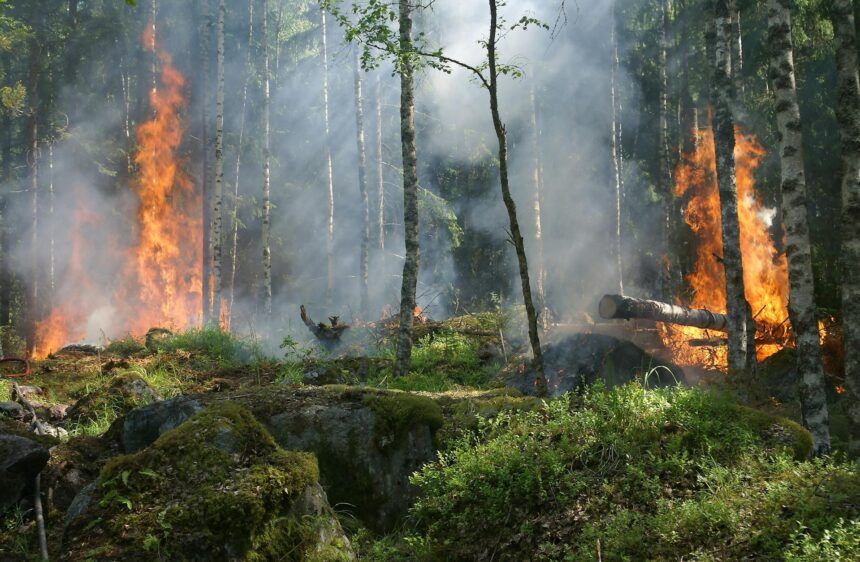
A new online platform has been launched in Cyprus to enhance fire reporting and emergency response following recent wildfires.
Enhancing Emergency Response through Technology
The launch of fotiamap.com marks a significant step in improving community engagement and emergency response capabilities in Cyprus. In the wake of the devastating wildfires on July 23, which caused extensive damage to the island, this innovative web app allows residents to report fires in real-time by simply dropping a pin on an interactive map.
Developed rapidly over a single weekend by Ramzi Edward Khoury and Violetta Skittidi, founders of the legal-tech artificial intelligence platform Formulaw, fotiamap.com is a free tool that aims to bridge the gap between citizens and emergency services. The platform is designed specifically for the unique needs of the Cypriot community, enhancing situational awareness and bolstering the efficiency of emergency responses.
The Role of AI in Crisis Mitigation
At the heart of this initiative lies the potential of artificial intelligence to improve public safety outcomes. While fotiamap.com is fundamentally a crowdsourced app, the integration of AI could further enhance its capabilities. Future updates may include predictive analytics, allowing authorities to identify high-risk areas based on historical data and fire weather conditions.
Currently, the app operates on a model of community-driven input, ensuring that information is immediate and relevant. Users are not required to log in, promoting accessibility and allowing for quick reporting without the barriers typical of many digital platforms. This democratic approach to information sharing is vital; during crises, every second counts, and timely reports can directly impact the response of firefighters and rescue teams.
Cybersecurity Measures for Public Safety Platforms
As with any digital tool that gathers and shares location-based data, cybersecurity remains a paramount concern. The open nature of fotiamap.com means it must ensure robust security measures to protect personal information and prevent misuse of the platform. Implementing strong cybersecurity protocols will be critical in maintaining public trust and encouraging widespread engagement with the app.
The Cyprus government has been proactive in matters related to cybersecurity, especially with the adoption of the NIS 2 Directive and the Digital Services Act (DSA). These legislations aim to enhance the security of network and information systems across the EU, including member states like Cyprus. By complying with these regulations, platforms like fotiamap.com can help mitigate cyber threats while promoting user safety.
Future Implications and the Skills Gap
The introduction of platforms like fotiamap.com signals a pivotal shift towards a more tech-savvy approach to public safety in Cyprus. However, as the demand for high-functioning digital tools increases, so does the need for skilled professionals in cybersecurity and digital infrastructure. There is a notable skills gap in addressing cybersecurity challenges, raising questions about the readiness of local organisations and the government to respond effectively to emerging threats.
- Training for emergency responders on new technologies is essential.
- Collaboration with educational institutions can help nurture a skilled workforce.
- Investment in security frameworks for digital platforms is critical to protect user data.
As the digital landscape evolves, improving the technical skills of the workforce will be vital to support innovations like fotiamap.com. Collaborations between government agencies, educational institutions, and the tech industry could spearhead initiatives aimed at bridging this skills gap, fostering a community prepared to meet future challenges head-on.
In conclusion, fotiamap.com exemplifies how technology can be harnessed to address urgent societal issues such as wildfires in Cyprus. By leveraging AI and ensuring strong cybersecurity measures, the app not only enhances public safety but also mobilises community involvement and resilience in the face of natural disasters.