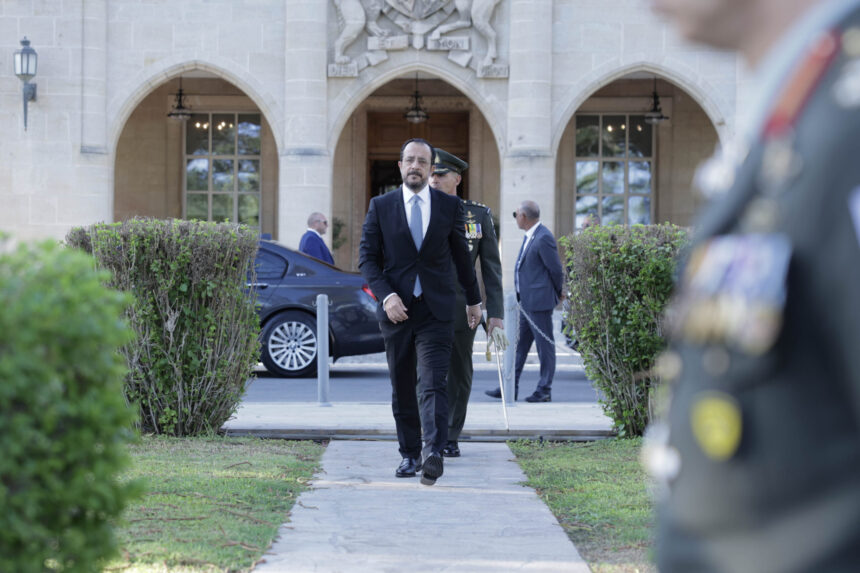
The Republic of Cyprus is the shield that protects its citizens, a sentiment echoed by President Nikos Christodoulides during his address marking the 65th anniversary of the island’s independence. The president’s remarks blended a hopeful outlook for renewed peace efforts with a strong focus on Cyprus’ economic strength and its pivotal role within the European Union.
Reflecting on the island’s tumultuous past, Christodoulides acknowledged the deep scars left by the division of 1974, yet he also highlighted a ‘window of hope’ opening for the resumption of peace negotiations. He underscored the renewed engagement of the international community, including the UN and the EU, as crucial elements in this ongoing dialogue.
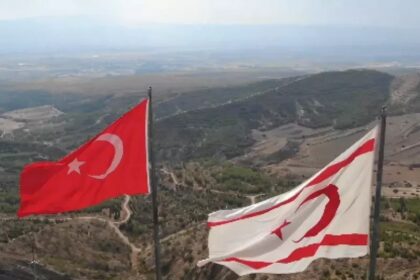
“Before 2023, such a development seemed unthinkable,” he noted, referring to the prior impasse caused by unacceptable preconditions set by Ankara and Turkish Cypriot leader Ersin Tatar. The process, which had stalled since the Crans Montana talks in 2017, is now back on track. Although challenges remain, the restart of discussions imbues a sense of optimism for a united Cyprus.
Christodoulides firmly rejected any notion of a permanent division, stating, “The wall of occupation is not impenetrable.” He called for seriousness, persistence, and commitment to the goal of reunification, asserting that Cyprus must stand as a fully-fledged EU member state where values apply equally to all.
The president celebrated Cyprus’ EU accession in 2004 as a monumental diplomatic success, reinforcing the rights of both Greek and Turkish Cypriots. He articulated a vision of a reunified homeland, emphasising the benefits it would bring to all lawful residents.
In discussing Cyprus’ regional role, Christodoulides described the nation as a pillar of stability in the Eastern Mediterranean. He cited the island’s contributions to humanitarian efforts and evacuations during crises, stating, “Cyprus is now recognised worldwide as part of the solution, never part of the problem.” This growing reputation reflects the island’s proactive stance in fostering peace and cooperation.
Turning to domestic matters, Christodoulides highlighted the resilience of the Cypriot economy, pointing to robust growth, a decrease in public debt, and consistent upgrades from international credit rating agencies. These developments serve as a vote of confidence in Cyprus, translating into new jobs and opportunities for its citizens.
“This is not abstract,” he insisted, linking economic progress to tangible support for households, businesses, and vulnerable populations. The president pledged to undertake further reforms aimed at modernising institutions and enhancing transparency, acknowledging the ongoing battle against corruption and inefficiency. “We are determined to build a state that people can trust,” he asserted, with a vision for prosperity, justice, dignity, and equal opportunities for all.
With an eye to the future, Christodoulides announced preparations for Cyprus to assume the rotating presidency of the EU Council in January 2026, expressing readiness to embrace this responsibility. He reiterated the aim of contributing to a stronger, safer, and more autonomous Europe that meets the needs of its citizens.
In his closing remarks, the president tied the significance of Cyprus’ independence to the aspiration for reunification, stating, “Independence was not given to us; it was won.” He urged unity, faith, and persistence in safeguarding and strengthening the island’s future.