Mass evacuations of dangerous buildings in Cyprus have raised alarm bells about a looming social crisis, as local authorities scramble to enforce safety regulations. The urgent enforcement of hazardous building legislation by District Self-Governance Organisations (EOAs) is putting immense pressure on regulators, who fear potential criminal liability for any accidents that may occur in compromised properties.
Dangerous buildings: Immediate Evictions Amid Housing Shortages
Local officials are facing a complex dilemma: they must act swiftly to evict residents from structurally unsafe buildings while grappling with a severe shortage of emergency housing. In Larnaca alone, about 500 people live in a hazardous apartment complex, with numerous other deteriorating structures scattered across the island. The domestic housing market cannot accommodate the sudden influx of families needing shelter, leaving many residents in a precarious situation.
The Scale of the Housing Crisis
The scale of the problem is overwhelming. Thousands of residents could potentially be displaced, and the absence of a comprehensive contingency plan raises fears of a logistical nightmare for property owners, tenants, and the government. The state must now consider several approaches:
- Financing long-term emergency housing by leasing hotels and other commercial spaces, which could lead to a dependency on public resources.
- Forcing displaced residents to find alternative housing independently, risking homelessness for many.
- Allowing a temporary tolerance of hazardous conditions by granting extended grace periods for property rehabilitation, which could undermine safety efforts.
A Legacy of Neglect in Building Standards
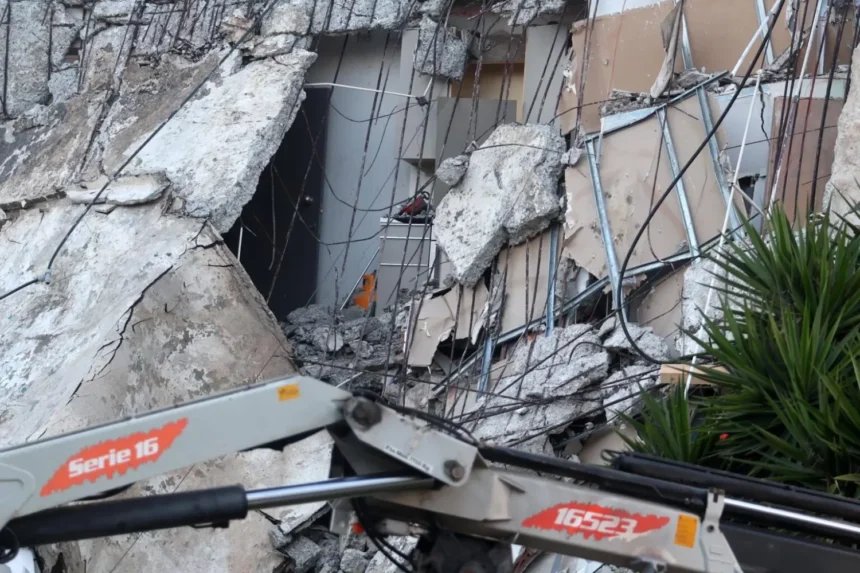
The dangerous state of many residential buildings in Cyprus is not a recent problem. Years of institutional neglect have contributed to a growing crisis characterised by collapsing balconies, structural failures, and widespread disrepair. A significant portion of the housing stock was constructed using substandard materials, particularly in the aftermath of the 1974 Turkish invasion when quality control measures were severely lacking.
Many buildings were erected before the introduction of mandatory construction supervision by certified engineers, creating a systemic vulnerability exacerbated by a lack of maintenance culture among property owners. This longstanding disregard for building safety has resulted in tragic outcomes, as seen in a recent partial collapse in Germasogeia that led to two fatalities.
Warnings Ignored for Over a Decade
For more than twelve years, the Scientific and Technical Chamber of Cyprus (ETEK) has sounded the alarm about the dire consequences of neglecting building safety. Their recommendation for regular building inspections was previously dismissed as self-serving. However, the recent tragedies have vindicated their concerns, highlighting the urgent need for reform.
In November 2022, the Union of Cyprus Municipalities also raised alarms, with its president, Andreas Vyras, calling for a complete legislative overhaul to address the inadequacies of existing regulations. The proposed changes included:
- Abolishing ineffective clauses in the Streets and Buildings Regulation Law to facilitate quicker emergency interventions.
- Establishing an Independent Building Hazard Control Body, funded by the state, to oversee building safety.
- Granting emergency powers to this body to shut down unsafe structures and disconnect utilities without prior notice.
- Implementing financial enforcement measures to ensure compliance from property owners.
Legislative Proposals to Prevent Further Tragedies
Despite the pressing need for change, little legislative progress has been achieved over the past three years. ETEK President Constantinos Constanti has urged the new House of Representatives to act quickly, advocating for the passage of pending bills aimed at modernising the legal framework surrounding building safety. ETEK’s strategy focuses on three core pillars:
- Mandatory Periodic Building Inspections: This proposal, put forth in 2014, requires regular inspections of buildings to identify and address structural issues before they become a public safety threat.
- Enforcement Tools for Local Authorities: The legislative package aims to empower local authorities to take action against landlords who neglect safety standards, including cutting off utilities and placing legal encumbrances on property titles.
- A National Digital Platform for Dangerous Buildings: This platform, currently in development, will map hazardous properties across the country and will be integrated into the state’s electronic systems once fully operational.
A Call for Action
The current crisis presents a critical opportunity for the Cypriot government to address long-standing issues in building safety. The need for immediate action is evident, as the consequences of inaction could be devastating. As local authorities and communities brace for the fallout from mass evacuations, it is crucial for the state to implement effective policies to safeguard residents and prevent further tragedies.