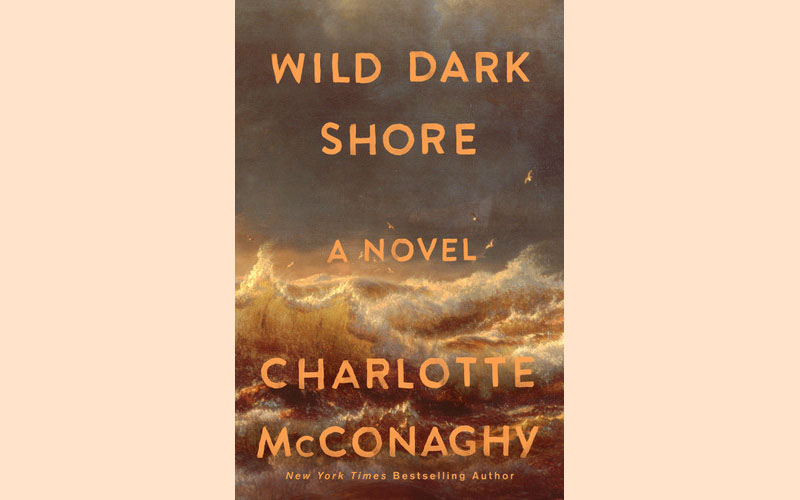
Grief echoes throughout the narrative as climate change intertwines with personal loss in the story of Dominic Salt and his children. Nine years have passed since the tragic death of his wife, Claire, during childbirth, leaving Dominic to raise their three children—Orly, Raff, and Fen—on the isolated island of Shearwater, situated roughly 1,500 km from Antarctica. Here, they manage an expansive seed vault containing over three million varieties, essential for humanity’s survival as the planet grapples with environmental crisis.
The looming threat of rising sea levels serves as a constant reminder of their precarious existence. With a naval ship scheduled to retrieve the family and the seeds in two months, urgency permeates their days. Sorting and packing the seeds into a smaller vault requires every ounce of their focus, as they must choose which essentials to save in anticipation of future global catastrophes.
As the Salt family navigates their grief, a sense of mystery envelops the island. Weather patterns have grown increasingly erratic, reflecting a broader climate crisis. In addition to the environmental turmoil, the family’s dynamics are strained by unspoken secrets. The research centre, once a hub of biodiversity conservation, lies abandoned, raising questions about the whereabouts of the senior botanist, Hank, who has vanished without explanation.
Amidst this backdrop, a stranger washes ashore, adding further complexity to the narrative. This woman, emerging from a shipwreck, carries her own mysteries which unfold through her perspective. The story unfolds in short, alternating chapters, each revealing the emotional layers of its characters.
As the youngest member of the Salt family, nine-year-old Orly seeks a connection with Rowan, the stranger. He initially tends to her wounds, perhaps searching for a maternal figure to fill the void left by his mother’s absence. Orly’s profound knowledge of the seed bank and his appreciation for the natural world highlight his deep-seated grief for the potential loss of biodiversity.
Rowan, however, is conflicted. She forms a bond with the family while openly discussing her reluctance to have children, citing the ethical implications of bringing new life into a world threatened by climate change. Her statement that to bear children in such an “apocalypse” is selfish resonates with the family, yet it also hints at her own hidden traumas. Rowan’s reflections on the societal pressures on women to have children reveal her struggles with her past, sparking deeper conversations about motherhood and loss.
Each member of the Salt family copes with grief in their unique way. Raff finds solace in the whales that inhabit the waters surrounding their island, while also grappling with the impact of another death that weighs heavily on him. Fen, in contrast, chooses to sleep among the seals on the beach, stealing mementoes of her mother from Dominic, showcasing her longing for connection and understanding.
Dominic, burdened by his own grief, attempts to be a pillar for his children. Yet, he grapples with the inability to connect emotionally, reflecting a generational struggle among men who have not learned to express their feelings. Rowan, perceptive to his emotional landscape, recognises this barrier and strives to help him navigate his vulnerabilities, even as she battles her own hesitations.
As the narrative unfolds, it becomes evident that the unpredictability of nature mirrors the unpredictability of human emotions. The characters learn to embrace love, knowing that nothing—neither relationships nor the environment—is guaranteed to last. The intertwined themes of grief and climate change create a poignant exploration of loss, survival, and the enduring connections that bind us to one another and the world around us.