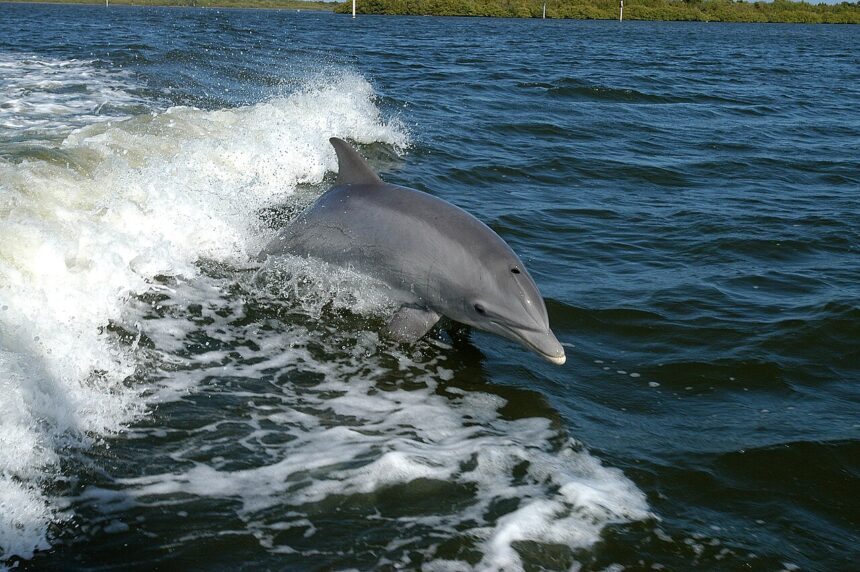
brazen dolphins — brazen dolphins — Dolphins, often seen as friendly marine companions, are being labelled a menace by fishermen in Cyprus. Antonis Zampas, a fisherman from the Famagusta district, has raised an alarm over the increasing audacity and numbers of these creatures, which he believes are causing severe disruption to their livelihoods.
According to Zampas, the bottlenose dolphins, which can grow up to three metres long, are tearing through fishing nets and consuming catch, putting immense financial pressure on local fishermen. “This is an SOS,” he shared, highlighting the extent of the problem. In one recent incident, he reported losses amounting to approximately €1,900 in just one day due to dolphin activity.
The damage inflicted by the dolphins extends beyond lost fish; it includes the destruction of fishing gear. Zampas expressed his frustration, stating, “It’s a double blow. They get our fish, so we can’t make a living, and they destroy our nets as well.” While the state provides some compensation for lost yields, Zampas emphasised that financial aid is not the ultimate solution. “We’d prefer that they don’t give us a single cent, and get rid of the dolphins,” he lamented.
The Department of Fisheries and Marine Research has acknowledged that dolphin sightings have increased, but they maintain that the overall population remains low, with fewer than 100 bottlenose dolphins in Cypriot waters. A study is currently underway to provide a more accurate count. However, the reasons behind the increased visibility of dolphins remain unclear. There is speculation that heightened awareness among the public, possibly influenced by tourist boats, may contribute to the perception of an increasing number.
Additionally, climate change may be pushing these intelligent marine mammals into shallower waters, leading to more frequent encounters with fishermen. Myrto Ioannou, a senior officer at the department, stated, “Dolphins are a protected species; we can’t get rid of the dolphins. They’re in their natural environment, and we have to respect them.” She further added, “For a healthy marine environment, we want to have dolphins.”
Interestingly, Cyprus is the only EU country that compensates fishermen for losses caused by dolphins, a unique approach that has drawn interest from other nations. However, the compensation only covers lost fish, not damaged nets. This limitation leaves fishermen like Zampas feeling unsupported in their plight.
Attempts to mitigate the issue have been made, such as providing fishermen with pingers that emit signals intended to disrupt dolphins’ sonar. While these devices showed promise initially, they ultimately proved ineffective, as the dolphins quickly adapted and began to associate the sounds with food. Ioannou noted that far from being deterred, the pingers became a beacon for the dolphins.
As the conflict between fishermen and dolphins continues, Zampas has called for the government to take the issue more seriously and seek effective solutions rather than merely advising fishermen to avoid disturbing the protected species. “Meanwhile, fishermen are being destroyed. Who’ll protect us?” he asked, epitomising the frustration felt by many in the fishing community.