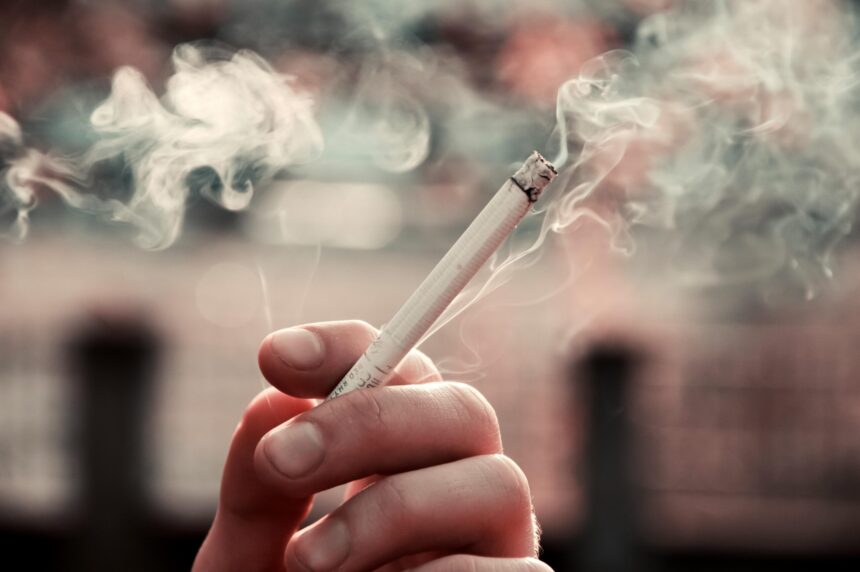
The European Commission’s proposal for a significant tax increase on cigarettes and nicotine products has ignited strong reactions among EU member states following its presentation at the Economic and Financial Affairs Council (Ecofin) in Luxembourg earlier this month.
- Newer products such as heated tobacco and e-cigarettes will see a minimum tax of 45 per cent or €88 per 1,000 pieces starting in 2028, increasing gradually until 2032.
- Conversely, a coalition of 15 countries, spearheaded by France and the Netherlands, supports the reform. They advocate for stronger public health measures and fairer taxation across the markets.
- To combat illicit trade effectively, an electronic excise monitoring system, already applied to alcohol and fuel, would be implemented to track the movement of raw tobacco throughout the EU.
Cigarettes and: Details of the Proposed Taxation Changes
Under the new plan, minimum excise duties on traditional tobacco products like cigarettes and roll-your-own tobacco will rise sharply. This marks the first time that newer products, including e-cigarettes, heated tobacco, and nicotine pouches, will fall under excise taxation.
According to the draft directive, the minimum tax on cigarettes is set to increase from 60 per cent to 63 per cent of the weighted average retail price. Additionally, the duty will rise from €90 to €215 per 1,000 pieces. For roll-your-own tobacco, the tax will be set at 62 per cent of the retail price and a minimum of €215 per kilogram.
Newer products such as heated tobacco and e-cigarettes will see a minimum tax of 45 per cent or €88 per 1,000 pieces starting in 2028, increasing gradually until 2032.
Potential Impact on Retail Prices
If the proposal is approved, the retail price of a pack of cigarettes could soar from around €4.50–€5.00 to an estimated €7.00–€7.50. Similarly, the cost for roll-your-own tobacco could rise from €7.00 to €13.00.
Rationale Behind the Reform
Wopke Hoekstra, the Commissioner for Climate Action and Clean Development, described the reform as necessary, emphasising that Europe still holds some of the highest smoking rates globally. “There are new products that deliberately target young people, even 15-year-olds, creating a new addiction to nicotine,” he remarked.
The European Commission argues that existing rules, established under Council Directive 2011/64/EU, are outdated and fail to reflect current market dynamics and consumption trends. The proposed changes align with the objectives of Europe’s Beating Cancer Plan, which aims to reduce the EU smoking rate to below five per cent by 2040.
Financial Implications for the EU
The Commission’s statement suggests that the updated taxation framework could generate approximately €15 billion in additional annual revenue across the EU. Furthermore, it is projected to save nearly €6 billion in healthcare costs associated with tobacco-related diseases.
Diverse Reactions Among Member States
Despite the potential benefits, several member states, including Italy, Bulgaria, and Romania, have expressed concerns that steep excise hikes could inadvertently encourage illicit trade. Countries such as Greece, Croatia, Luxembourg, and Hungary have also voiced objections, arguing that the proposed increases are excessive.
Conversely, a coalition of 15 countries, spearheaded by France and the Netherlands, supports the reform. They advocate for stronger public health measures and fairer taxation across the markets.
Concerns in Cyprus Over Smuggling
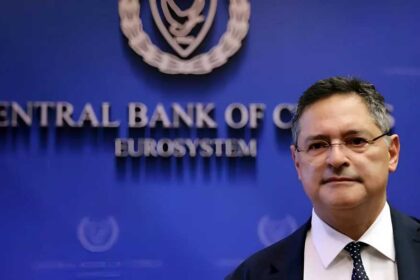
In Cyprus, there is growing apprehension that higher prices may encourage increased cigarette smuggling from the north. In 2024, the share of illicit cigarettes reached 14.3 per cent of total consumption, up from 11 per cent the previous year, corresponding to roughly 130 million illegal cigarettes and an estimated €22 million in lost public revenue.
Europol reported that around 38.9 billion illicit cigarettes were consumed across the EU last year, leading to €14.9 billion in lost tax revenue. Moreover, tobacco use remains deeply entrenched in Cypriot society, posing a significant public health challenge. According to the Tobacco Atlas, approximately 34 per cent of adults in Cyprus smoke, one of the highest rates in Europe, with 46 per cent of men and 22 per cent of women identifying as current smokers.
Health Implications of Tobacco Use
The implications of tobacco use in Cyprus are profound, with tobacco-related causes accounting for over 600 deaths annually. An estimated 163,000 adults and 14,000 children aged 10 to 14 smoke daily, averaging about 2,564 cigarettes consumed per adult each year, well above the global average.
Comprehensive Changes in Taxation Policy
The Commission’s plan introduces several significant changes, including aligning excise rates across member states to reduce disparities. It also aims to extend the directive to encompass new tobacco and nicotine products while tightening the monitoring of raw tobacco, which has been a longstanding source of fraud.
To combat illicit trade effectively, an electronic excise monitoring system, already applied to alcohol and fuel, would be implemented to track the movement of raw tobacco throughout the EU.
International Support for Stricter Measures
The World Health Organisation (WHO) has welcomed the proposal for stronger fiscal measures, emphasising that taxation remains “the single most effective tool” for reducing tobacco use. With approximately 26 per cent of EU citizens smoking, the need for reform is evident, particularly in light of Cyprus’ significantly higher rate of 34 per cent.