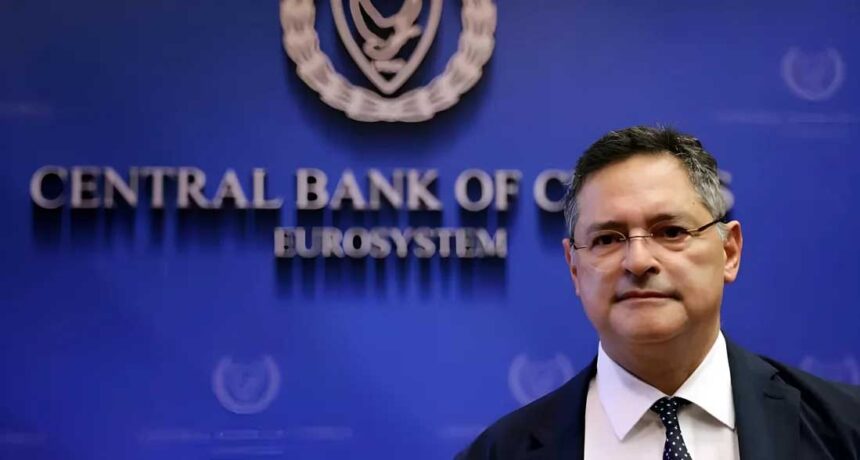
Cyprus banks are currently showcasing impressive financial strength despite ongoing questions regarding their practices and contributions to the local economy. Recently, banking representatives from the island met with European regulators in Brussels, asserting that their institutions are “stronger than ever.” This claim is supported by key indicators of financial stability and profitability highlighted by the governor of the Central Bank of Cyprus, Christos Patsalides.
Major credit rating agencies have responded positively, upgrading Cyprus banks based on their resilient earnings, reduced non-performing loans (NPLs), and robust capital buffers. However, the real concern lies in how these banks are utilising their substantial financial resources. Critics question whether the profits generated are truly benefiting the local economy and society or are merely a result of unproductive activities that neglect social and environmental responsibilities.
Cyprus banks: Disparities in Interest Rates and Depositor Returns
Data reveals a stark contrast between the interest rates offered to depositors in Cyprus and those available in the broader euro area. On average, depositors receive less than 1.0 per cent, while the average rate across other eurozone banks is around 2.0 per cent. This discrepancy raises concerns about how the banks are managing the deposits of households and businesses.
Moreover, a significant portion of these deposits—around one-third—has been classified as excess liquidity, with much of it sitting in overnight deposits at the European Central Bank (ECB), which currently offers a much higher interest rate of 2.25 per cent. This means that while banks enjoy a comfortable liquidity position, they are not passing on the benefits to depositors.
Rising Profits Amidst Low Lending
Interestingly, Cyprus banks have made considerable profits, totalling €1.025 billion in 2025. This profitability is largely attributed to a high net interest margin of 2.60 percentage points, resulting in a return on equity of 14.25 per cent—significantly higher than the euro area average of 9.85 per cent. Such figures highlight the banks’ capacity to generate wealth, yet the question remains: who truly benefits from these profits?
A large portion of these earnings is being distributed as dividends to foreign shareholders, primarily investment companies and equity funds. For instance, Eurobank Cyprus, fully owned by the Greek banking group Eurobank SA, reported a net profit of €491 million in 2025, with a significant portion allocated to dividends, raising concerns about the local economic contributions of these financial institutions.
Failed Potential in Supporting Economic Growth
Despite the positive financial indicators, there is a growing sentiment that Cyprus banks have not lived up to their potential in fostering sustainable economic growth. Since 2015, banks have focused heavily on cleaning up their balance sheets by offloading NPLs while opting to invest their excess liquidity in low-risk overnight deposits instead of financing viable local investment projects.
This shift in focus has not only hampered the banks’ ability to support economic development but has also exacerbated issues of wealth inequality. Critics point out that the process of selling off NPLs and related properties has led to financial hardships for many businesses and households, further widening the gap between different socioeconomic groups in Cyprus.
Calls for Change from Central Bank Authorities
In light of these issues, Governor Patsalides has urged banks to reconsider their pricing policies and take into account the social implications of their operations. He warned that failure to address these matters could damage the reputation of the banking sector. Unfortunately, banks have not shown a willingness to adjust their low deposit rates or high loan rates, continuing to prioritise profit over community welfare.
There are calls for the Cyprus authorities to take more decisive action, encouraging banks to raise interest rates on fixed deposits to align with inflation rates, thus providing depositors with a real return on savings. Additionally, it is suggested that banks should modify their lending practices to focus more on the viability of investment projects rather than merely collateral.
Regulatory Actions and Future Considerations
Experts argue that the government should consider implementing extraordinary taxes on excessive bank profits that do not contribute to local economic growth. These funds could then be redirected towards social initiatives, such as subsidising loans for lower-income residents. Moreover, regulatory measures could incentivise banks to allocate resources towards productive and socially beneficial projects rather than luxury developments that serve a limited segment of the population.
Ultimately, while Cyprus banks have made strides in ensuring financial stability, there remains a pressing need for them to align their operations with the broader goal of fostering equitable economic advancement and improving the financial health of their communities.