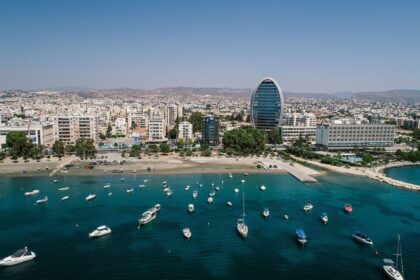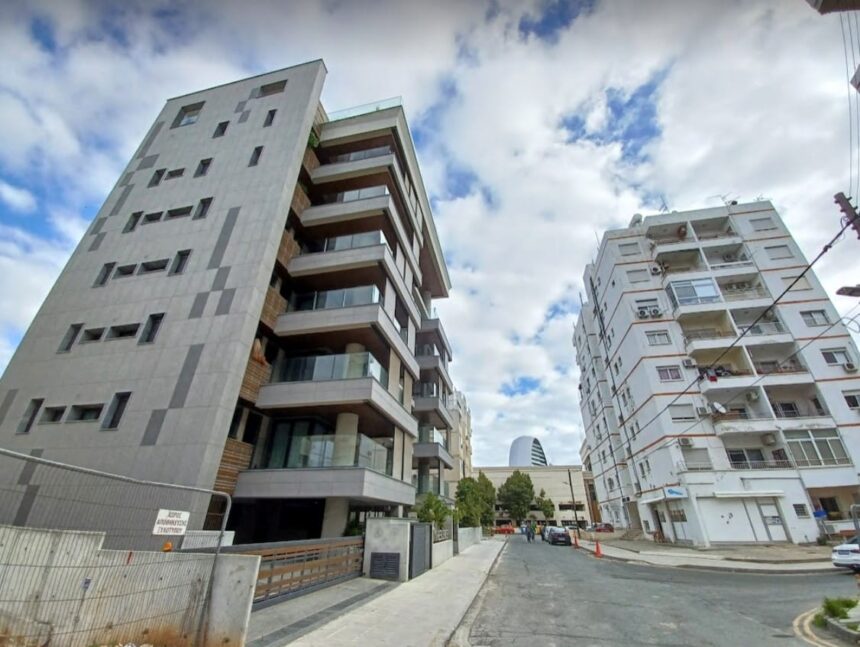
Cyprus has experienced a remarkable surge in building permits issued in January, indicating a robust expansion in its construction sector. According to the Cyprus Statistical Service (Cystat), the month saw a total of 789 building permits authorised, reflecting a significant increase in construction activity across the island.
Building permits: Significant Growth in Permits and Value
The total value of these permits reached €445.2 million, with a comprehensive covered area of 346,700 square metres. This surge in permits translates to the potential construction of 1,755 new dwelling units, showcasing a strong pipeline for residential development.
Year-on-Year Comparisons Highlight Sharp Increases
When compared to January of the previous year, the number of building permits has risen by an astonishing 76.9 per cent. This year-on-year surge illustrates a substantial recovery and growth in the construction industry, which has been buoyed by both local and international demand.
Moreover, the total value of the building permits has also seen a significant increase of 92.9 per cent, indicating that higher-value projects are entering the market. The total area covered by these permits has expanded by 82.5 per cent, further illustrating the uptrend in construction.
Residential Units Experience Remarkable Growth
The growth in the number of dwelling units is particularly noteworthy, climbing by 109.4 per cent year-on-year. This increase signals an increasing demand for housing in Cyprus, with developers responding to the needs of both domestic and foreign buyers.
Continued Demand for Property Sales
In addition to the surge in building permits, Cyprus has seen a strong performance in property sales. According to the Department of Lands and Surveys, property transactions rose by 15 per cent in April compared to the same month last year, with a total of 1,611 transactions recorded, up from 1,404 in April 2025. This follows an 18 per cent increase in March, demonstrating a resilient demand for property despite regional instability.
Foreign buyers have played a significant role in this market, with their transactions rising to 649 from 552 a year earlier. This represents 40.3 per cent of total property sales, highlighting the ongoing attractiveness of Cyprus as a destination for international investors and residents.
Regional Highlights in Property Sales
Paphos has emerged as a standout region, recording the strongest growth in property sales with an impressive 41 per cent increase. Larnaca follows closely with a 21 per cent increase, while Nicosia has shown modest growth of 2 per cent. Famagusta, however, has remained unchanged compared to the previous year.
Long-term Trends and Structural Shifts in Development
Over the first four months of the year, total property sales have increased by 14 per cent, with a notable rise in transactions linked to foreign buyers. This trend coincides with observations made by Yiannis Misirlis, chairman of the Cyprus Property Developers Association, who noted that the construction and development sector is undergoing a structural shift.
Misirlis explained that international demand has transitioned from pure investment towards long-term relocation and lifestyle choices, which could reshape the future of residential development in Cyprus. However, he cautioned about the emerging infrastructure gap, emphasising that public systems, including roads, schools, and utilities, are struggling to keep pace with the rapid developments in the private sector.
Challenges and Future Directions
With the increasing construction activity, Misirlis stressed the need for integrated planning and the development of sustainable communities. He highlighted the challenges posed by slow licensing processes and high construction costs, which could hinder future growth if not addressed promptly.
Broader European Context
On a broader scale, data from Eurostat indicates mixed trends in construction across Europe. In February, construction output in the euro area declined by 1.9 per cent year-on-year, contrasting with the positive momentum seen in Cyprus. This divergence underscores the unique position of Cyprus within the European construction landscape, as it continues to thrive amidst a backdrop of weaker performance in other regions.
As Cyprus navigates this period of growth in building permits and property sales, it will be essential for stakeholders to adapt to evolving market demands while addressing potential infrastructure challenges. The ongoing developments in the construction sector could play a pivotal role in shaping the future economic landscape of the island.