The Cyprus wine industry is experiencing a remarkable transformation, driven by a wave of experimental winemaking practices. These innovative approaches are redefining traditional techniques and showcasing the unique character of Cypriot wines in the global market.
Cyprus wine: Redefining Winemaking through Experimentation
So, what exactly are experimental wines? At their core, they emerge from a place of curiosity and the relentless desire of winemakers to explore new interpretations of wine. In Cyprus, a new generation of winemakers is at the forefront of this movement, creating side projects that challenge established norms and push boundaries.
A New Wave of Cypriot Winemakers
The wine scene in Cyprus is buzzing with activity, as both emerging and established winemakers embrace exploration and innovation. The past few years have seen an influx of new styles and ideas, with traditional methods being complemented by fresh techniques that reflect the evolving tastes of consumers.
Next-gen winemakers are particularly enthusiastic about launching side projects—sub-labels that allow them to express their creative visions and share their international learnings while honouring the foundations laid by previous generations.
Celebrating Indigenous Grapes
Cyprus has a rich winemaking history, primarily built on the Mavro and Xynisteri grape varieties. Xynisteri, in particular, has become the flagship white grape of the island, known for its versatility and remarkable adaptability to Cyprus’ hot climate. Its importance cannot be overstated; Cyprus wines that aim for export often need to feature Xynisteri prominently.
The grape’s ascent to fame has been aided by innovative techniques, including the use of oak barrels, spontaneous yeast fermentation, and extended skin contact, culminating in diverse wine styles that highlight its character.
Emerging Competitors in the Grape Arena
While Xynisteri remains dominant, a number of indigenous varieties are gaining traction. Winemakers are increasingly focusing on these grapes for their resilience to pests and diseases, as well as their potential to produce high-quality wines. Varieties such as Morokanella, Promara, and Spourtiko are showing promise, with Giannoudi emerging as a strong competitor to the popular Maratheftiko.
In particular, winemakers are keen to elevate Mavro’s status on a global scale. By using innovative methods like clay urns (pitharia) or egg-shaped clay tanks, they are experimenting with how Mavro can express its terroir in new ways. The use of previously owned oak barrels is also being explored to enhance the profile of Mavro rosé wines, infusing them with both vigour and the capacity to age gracefully.
Adapting to Climate Change
The future of winemaking in Cyprus is not without challenges. Recent wildfires have raised concerns about sustainability and adaptability within the industry. However, the commitment to innovation has never been stronger.
Winemakers are exploring high-altitude vineyards and new regions that may be less affected by climate change, while also experimenting with techniques that prioritise sustainability. This proactive approach ensures that Cyprus can meet the increasing consumer demand for unique and high-quality wines.
Crafting Sustainable and Characterful Wines
The potential of Cyprus’ indigenous grape varieties extends beyond traditional wines. By embracing change and experimentation, winemakers are not just responding to market demands but are also paving the way for a new era of wines that are sustainable, climate-resilient, and full of character.
As they push the envelope of what is possible in winemaking, the future of the Cyprus wine industry looks bright, rich with opportunities for both creativity and excellence.
Wines to Watch
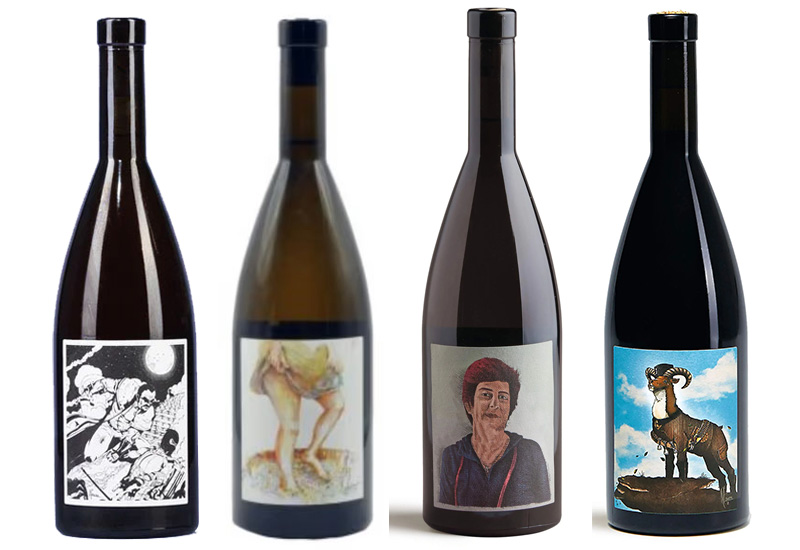
Among the exciting experimental offerings are microvinifications from Vouni Panayia, which began in 2018 as a tribute to Cyprus’ native grapes. Here are a few standout selections:
- 2024 Vouni Panayia, Nature’s Vengeance Morokanella Orange, PGI Pafos ABV 13% – This wine rests on its skins for 45 days, displaying a vibrant golden hue and an expressive palate replete with citrus and tropical notes. Price: €35.
- 2024 Vouni Panayia, Vasilissa Orange, PGI Pafos ABV 13% – A blend from two distinct vineyards, this wine surprises with complex aromas and a long, engaging finish. Price: €25.
- 2023 Vouni Panayia Themis Rosé Mavro, PGI Pafos ABV 12.5% – A spontaneous fermentation rosé that captures the essence of red fruits, delivering a deliciously balanced experience. Price: €35.
- 2024 Vouni Panayia Winery, The Rebel, PGI Pafos ABV 14% – A light red made from Maratheftiko without oak, showcasing the grape’s vibrant fruit character. Price: €35.
For more information about these wines, contact Vouni Panayia Winery at 99 453138 or 22 722770.