Cyprus recorded the fourth highest level of municipal waste generated per person in the European Union in 2024. According to figures released by the Statistical Service on Thursday, each resident produced an average of 664kg of municipal waste, significantly above the EU average of 517kg.
This alarming figure places Cyprus behind only Denmark, Belgium, and Luxembourg in terms of waste generation per capita. The increase in municipal waste reflects a growing trend, as the total waste generated in Cyprus rose by 5.6 per cent from the previous year, climbing from 633,000 tonnes in 2023 to 669,000 tonnes in 2024.
Municipal waste: Breakdown of Waste Treatment Methods
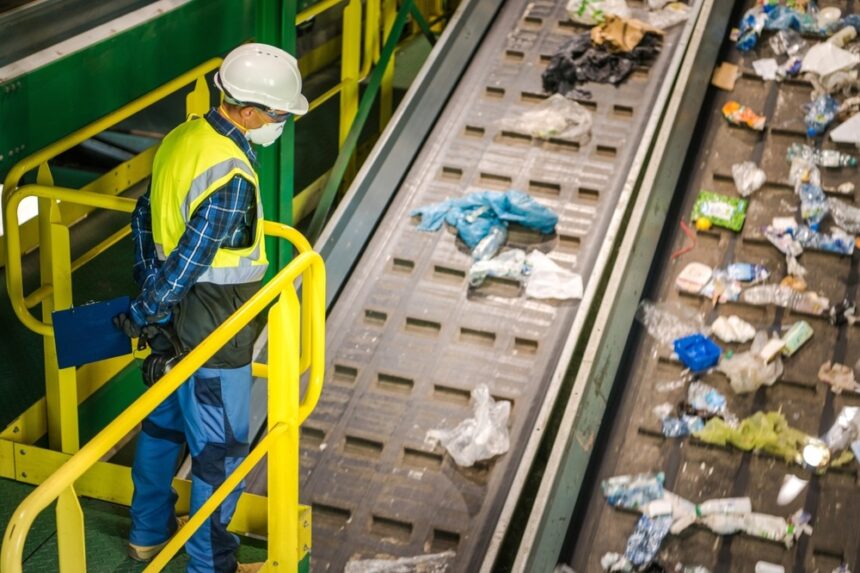
Of the total 566,000 tonnes of waste that underwent final treatment, a considerable 78.5 per cent was disposed of at waste management centres and landfills. In contrast, only 14.2 per cent was recycled, highlighting a significant opportunity for improvement in waste management practices. Additionally, 4.4 per cent of the waste was composted, while 2.9 per cent was used for energy recovery.
The Growing Challenge of Waste Management
The rise in waste generation poses challenges for the island’s waste management systems. As populations grow and consumption patterns change, the need for effective waste management strategies becomes increasingly critical. Experts suggest that the current rates of recycling and composting need substantial enhancement to reduce the burden on landfills.
Comparative Insights with EU Neighbours
While Cyprus grapples with its waste management issues, neighbouring countries are also facing similar challenges. Denmark, as the highest producer of municipal waste per capita, reported even higher figures. This trend raises questions about consumption behaviours across Europe and the effectiveness of existing waste management policies.
The European Union has set ambitious targets for waste reduction and recycling, aiming to foster a more sustainable circular economy. Cyprus’s rankings and statistics may serve as a wake-up call to implement stronger initiatives in waste management and recycling practices.