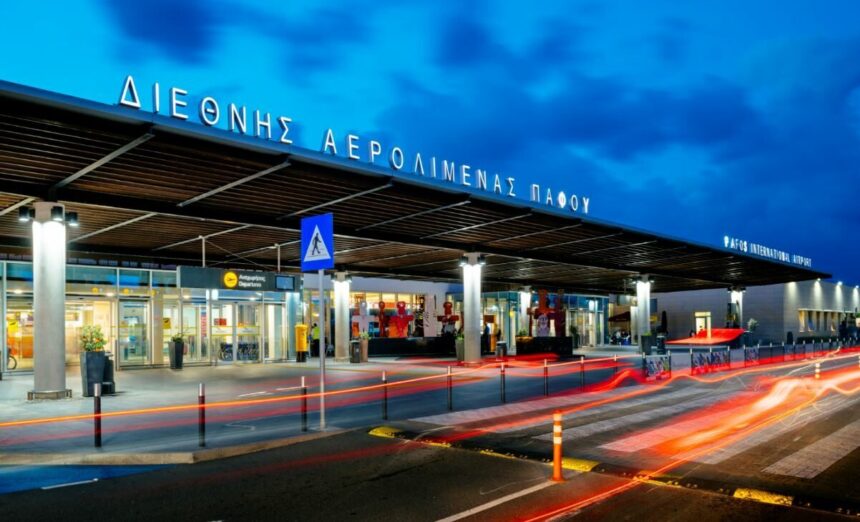
Cyprus’ Rising Air Connectivity
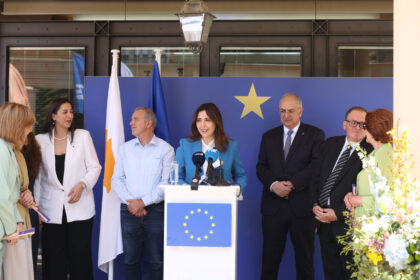
Cyprus has been ranked second in Europe for improving air connectivity, a significant achievement highlighted by Deputy Minister of Tourism Kostas Koumis. During an event marking World Tourism Day at Larnaca Medieval Castle, Koumis shared insights from a June 2025 report by Aviation Council International that evaluated air connectivity improvements from 2019 to 2025.
- “This year is expected to close on a positive note for both arrivals and revenues,” Koumis remarked, emphasising the beneficial impacts on local enterprises.
- “This vision must be shared by everyone who is part of the tourism ecosystem, either directly or indirectly,” he stated, highlighting the importance of collective effort in this endeavour.
Positive Trends in Tourism
Koumis expressed optimism about the tourism sector, stating that the year 2025 is expected to conclude positively in terms of both visitor numbers and revenue. He noted this growth is crucial for the businesses involved in tourism, particularly under the administration of Prime Minister Nikos Christodoulides.
“This year is expected to close on a positive note for both arrivals and revenues,” Koumis remarked, emphasising the beneficial impacts on local enterprises.
Encouraging Developments in Off-Peak Tourism
The Deputy Minister also pointed out positive developments in special forms of tourism, particularly during off-peak months. He stated that these trends are promising for extending the tourist season, a crucial goal for the future of Cyprus tourism.
Sustainability as a Guiding Principle
In line with the World Tourism Organization’s theme of “Tourism and Sustainable Transformation,” Koumis stressed the importance of sustainability in the tourism sector. He highlighted the Mediterranean’s vulnerability to climate change, noting that temperatures in the region are rising significantly faster than in other areas worldwide.
“The side effects of climate change are more intense in the Mediterranean region,” he warned, underlining Cyprus’ responsibility to address these challenges effectively. He explained that the unique climate conditions necessitate a collaborative approach from all sectors involved in tourism.
Expanding the Tourism Offer
Koumis explained that for Cyprus to achieve year-round tourism, the destination must diversify its offerings beyond traditional tourist services. He urged stakeholders in the tourism ecosystem to share a common vision for the future.
“This vision must be shared by everyone who is part of the tourism ecosystem, either directly or indirectly,” he stated, highlighting the importance of collective effort in this endeavour.
Future Investments and Innovations
The Deputy Minister outlined clear priorities for the tourism sector, including enhancing destination infrastructure and boosting hospitality facilities in rural and mountainous areas. He emphasised the importance of knowledge investment through updated training programmes to ensure the workforce is prepared for changing industry demands.
Moreover, Koumis noted that investing in sustainability and technological advancements is crucial. “Artificial intelligence already influences tourism and will do so even more in the future,” he remarked, indicating that the ministry plans to collaborate with the Deputy Ministry of Research and Innovation for a seminar aimed at industry participation.
Preserving Cyprus’ Tourism Heritage
Reflecting on Cyprus’ rich tourism history, Koumis announced a partnership with the Cyprus University of Technology (Tepak) to document the evolution of tourism in Cyprus. This initiative is intended to meld the past, present, and future of the sector through academic research and historical material collection.
Maintaining Competitive Edge in Tourism
Koumis recognised the competitive nature of the global tourism industry and reiterated the Deputy Ministry’s commitment to navigating the sector towards future success. Despite challenges faced over the past three years, he affirmed that the goal of restoring strong performance has been realised.
“The biggest responsibility now is the transition to the next day for tourism,” he stated, reflecting on the necessity for a sustainable approach that respects environmental protection and promotes economic efficiency.
Collaboration for Future Success
In closing, Koumis called for harmonious cooperation among all stakeholders in Cyprus’ tourism ecosystem. He reiterated that collective action is essential for achieving the ambitious goals set for the future. “By joining forces for the future of Cyprus tourism, with renewed goals and vision, the sector can move forward,” he concluded, emphasising the shared responsibility of tourism in contributing to the national economy.