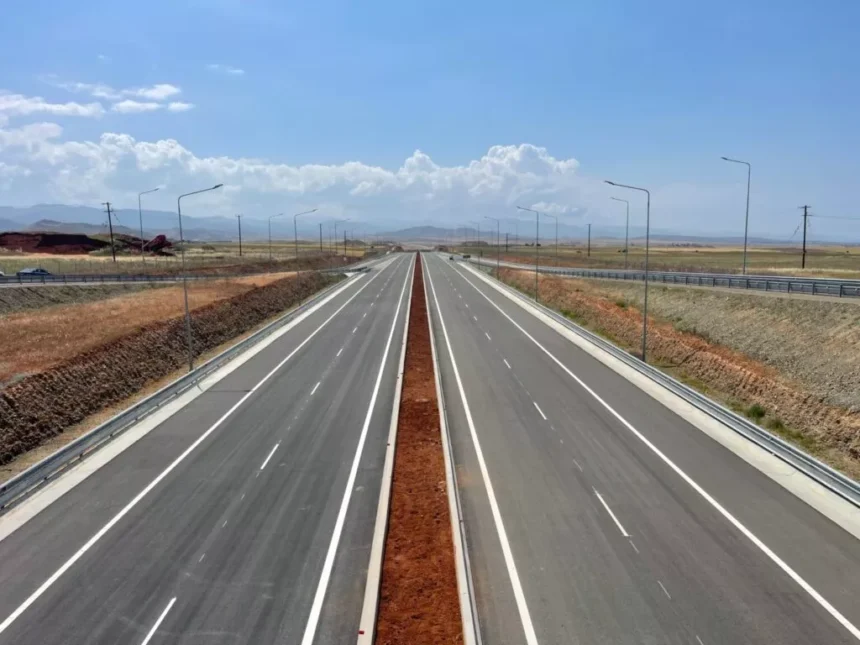
green motorway — green motorway — The newly inaugurated Astromeritis-Evrychou motorway marks a significant milestone as Cyprus’s first ‘green’ motorway, utilising recycled asphalt to promote sustainable construction. This 11.3 km segment, part of the larger Nicosia-Troodos network, aims to rejuvenate rural communities by improving access to essential services and the capital.
Green motorway: Connecting Communities
Opening its doors to the public yesterday, the motorway serves as a vital link for residents of Marathasa, Pitsilia, and Solea, who have long advocated for better transport options. With the new motorway, the journey between Nicosia and the Troodos mountains has been drastically reduced, making it easier for locals to reach hospitals, schools, and other critical services—an improvement that could be life-saving in emergencies.
Project Milestones and Achievements
Construction began in 2022 and was completed within the revised budget of €88.63 million, despite challenges such as difficult terrain and international material supply shortages. The project was executed by Cybarco-Pharmakas J.V., under the supervision of the Public Works Department. Minister of Transport Alexis Vafeades praised the effort, calling it a ‘rural regeneration key’ and highlighting the road’s role in combating urbanisation.
Innovative Construction Techniques
The motorway’s use of recycled asphalt not only reduces waste but also sets a precedent for future public works in Cyprus. This eco-friendly approach is expected to resonate well with environmentally conscious citizens and promote sustainable development across the island.
Boosting Local Economies
For those living in mountainous regions, the motorway facilitates year-round tourism, encourages visits to local businesses, and even supports the idea of permanent relocation for young families and retirees seeking a quieter lifestyle. The two-way access is seen as a catalyst for revitalising rural economies that have suffered from urban migration.
Future Developments on the Horizon
The motorway features four lanes of traffic, a grade separation junction in Koutrafas, a roundabout, and a 750-metre valley bridge. The Public Works Department has committed to enhancing several motorway exits in the future to further improve safety standards. This commitment underlines the government’s intention to extend quality services and digital infrastructure to rural areas.
As Vafeades noted, this project is a clear indication that governmental focus is shifting towards the countryside, not just urban centres. The announcement of the upcoming Denia-Astromeritis motorway, expected to span 17 km and cost an estimated €100 million, further reinforces this commitment to improving connectivity and quality of life in remote areas.