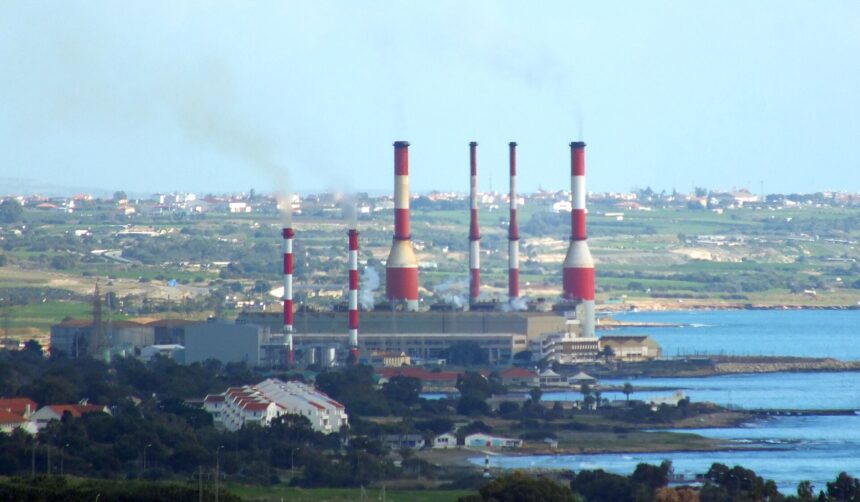
dhekelia turbines — The new turbines ordered for the power plant at Dhekelia may not arrive until 2030, according to officials from the Electricity Authority of Cyprus (EAC).
- dhekelia turbines — The new turbines ordered for the power plant at Dhekelia may not arrive until 2030, according to officials from the Electricity Authority of Cyprus (EAC).
- It's noteworthy that the new turbines are expected to operate on diesel and are not configured for natural gas, raising concerns about future fuel dependencies.
EAC board chairman Giorgos Petrou informed MPs on Monday that the contract for the three turbines, valued at €140 million, was awarded to Siemens. Initially, the delivery timeline was set for two-and-a-half years, aiming for mid-2028. However, Siemens recently notified the EAC that the timeline has now extended to four years.
Petrou explained the shift in schedule, attributing it to the high international demand for turbines, particularly influenced by power requirements from data centres in the United States. He remarked, “We were going to give [Siemens] incentives for every month sooner than the two-and-a-half years… now they want four years.”
With some existing turbines at Dhekelia running on mazut, which are set to be decommissioned by 2029, there is an urgent need for replacements to avoid a potential power production deficit. The EAC chairman expressed hope that natural gas could be used for energy generation by 2029, enhancing the plant’s efficiency.
The new turbines, primarily designed to boost capacity at the ageing Dhekelia facility, will complement current turbines that are nearly 40 years old. Although the European Commission had previously recommended closing the power station due to non-compliance with EU emissions targets, the Cyprus government has committed to modernising the plant to meet these standards.
It’s noteworthy that the new turbines are expected to operate on diesel and are not configured for natural gas, raising concerns about future fuel dependencies.
This topic was raised during discussions at the House finance committee, where MPs were examining the EAC’s budget for fiscal year 2026. The EAC reported total expenditures of €2.55 billion against projected revenues of €1.95 billion, with capital expenditure amounting to €456 million.
Among the budget items causing concern was approximately €250 million allocated for ‘unforeseen expenditures’, which includes provisions for fluctuating fuel prices. EAC officials described this allocation as a necessary ‘cushion’ for unpredictable costs.
Parliamentarians pressed for more detailed projections on anticipated expenditures, as this will ultimately influence consumer pricing. EAC general manager Adonis Yiasemidis noted that Cyprus ranks as the tenth most expensive country in the EU for energy. When taxes are included, it rises to eighth place.
Concerns about electricity supply adequacy for the upcoming summer were met with caution from Petrou. He highlighted that ‘unknown variables’, such as unexpected serious malfunctions in older equipment, could jeopardise supply stability.