The focus keyword, SAFE, reflects Cyprus’s ambitious plan to enhance its military capabilities with a €1.18 billion defence investment approved by the European Commission. This funding is part of the EU’s new Security Action for Europe initiative, aimed at facilitating low-interest loans for military procurement until 2030.
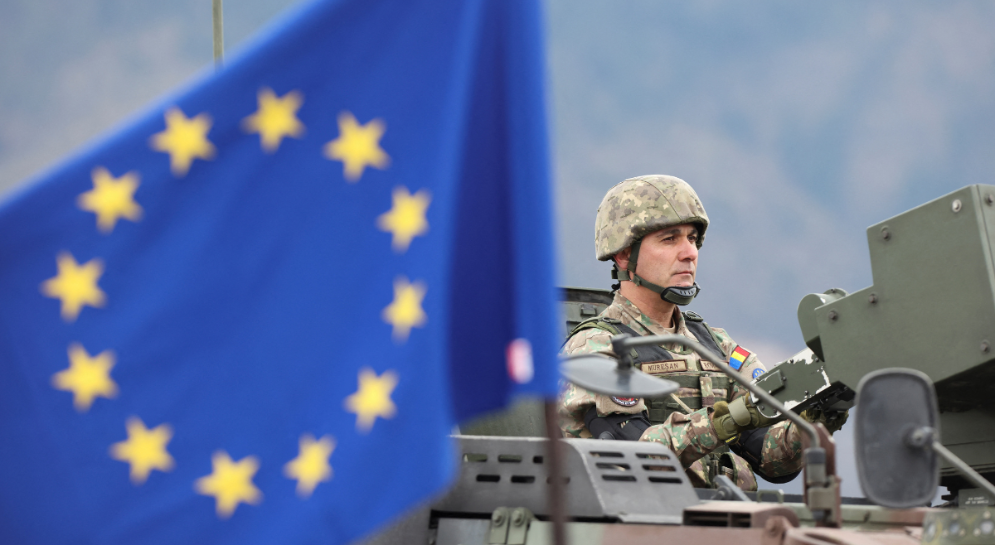
Photo: in-cyprus.philenews.com
The green light for this substantial investment was granted during a European Commission meeting in Limassol on 15 January. Cyprus is among the first eight EU member states to receive approval for its defence strategy, with an additional 11 plans still awaiting assessment.
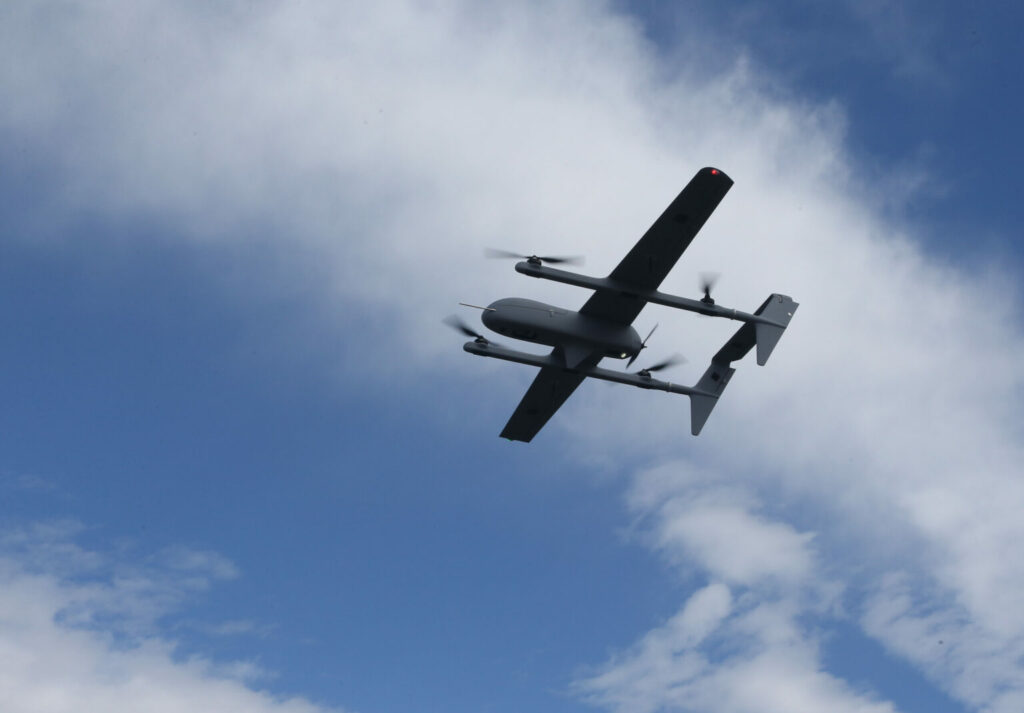
Photo: in-cyprus.philenews.com
This move comes in response to growing international uncertainties, including the ongoing conflict in Ukraine and geopolitical shifts, as highlighted by the European Commission. The SAFE programme, established by the European Council in May 2024, aims to provide up to €150 billion in loans to bolster defence capabilities across the continent.
Safe: Strategic Procurement Goals
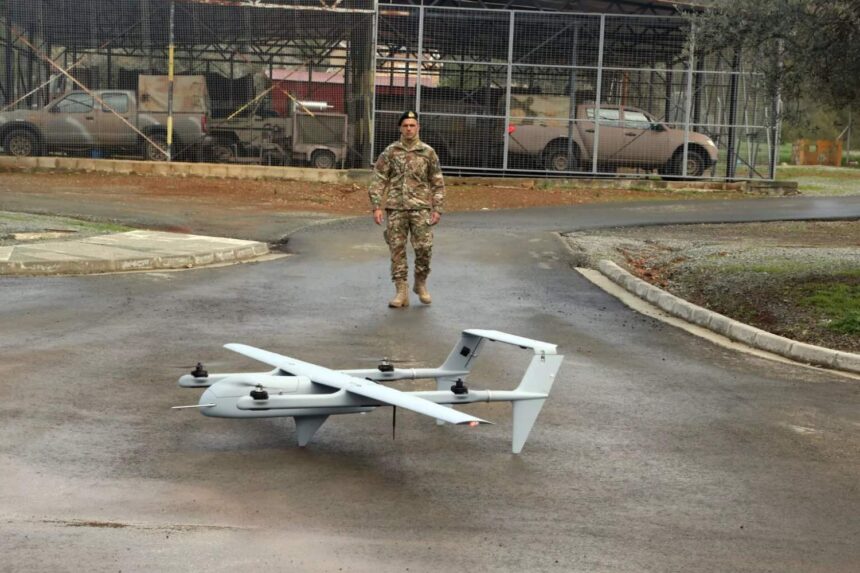
Defence Minister Vasilis Palmas emphasised that the procurement plan focuses solely on defensive capabilities, avoiding any systems that might suggest offensive intentions. The list includes essential equipment such as drones, anti-tank missiles, and ammunition, all aligned with the National Guard’s operational requirements.
Notably, 85% of the equipment specified in Cyprus’s application is sourced from the French military industry. The plan involves upgrading National Guard aircraft, enhancing communication systems, and procuring French wheeled armoured personnel carriers fitted with heavy weaponry suitable for combat roles.
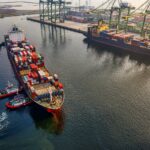
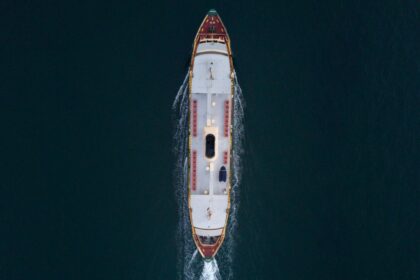
Additional goals include acquiring unmanned surface vessels to support naval operations and deploying unmanned aircraft from Cypriot manufacturers across all army commands. There is also potential for modernising the Leonidas armoured fleet in collaboration with Greece, pending Athens’s approval.
Flexible Procurement Structure
Under the SAFE framework, joint procurement typically requires participation from at least two countries. However, due to pressing defence needs and current geopolitical tensions, Cyprus is permitted to procure independently. This flexibility aims to expedite the enhancement of defence capabilities amid evolving security challenges.
Moreover, nations in the European Economic Area and the European Free Trade Association will have equal standing with EU member states, allowing their inclusion in joint procurement initiatives. This provision extends even to EU candidate countries and those with special partnerships with the bloc, including the UK.
Exclusions and Challenges
Turkey’s exclusion from direct access to the SAFE programme has been a point of contention. Despite lobbying from various EU member states, Turkey’s application was not submitted for assessment due to anticipated vetoes from Cyprus and Greece, as well as reservations from France.
Turkey’s limited access now hinges on bilateral defence cooperation with EU member states, and only a fraction of any SAFE-funded project may originate from Turkish or UK sources. The balance must comply with stringent EU agreements, which currently present challenges for both nations.
Additionally, the UK opted not to participate in the SAFE programme, citing concerns over the estimated costs of full access, which ranged from €4 to €6.5 billion. South Korea also faced exclusion as its application was not evaluated.
Next Steps for Defence Funding
The Defence Ministry, in tandem with the Finance Ministry, will oversee the allocation of the SAFE funds. These amounts will be incorporated into the Defence Ministry’s budget before being presented to parliament for approval. This structured process ensures that Cyprus can effectively strengthen its national defence through strategic investment.