Cyprus offers the fewest sustainable shopping options among EU countries, with a mere two per cent market share for products labelled with the EU Ecolabel. This startling statistic comes from a recent study conducted by the European Consumer Organisation (BEUC), which highlights the challenges consumers face when trying to shop sustainably.
Low Availability of Ecolabelled Products
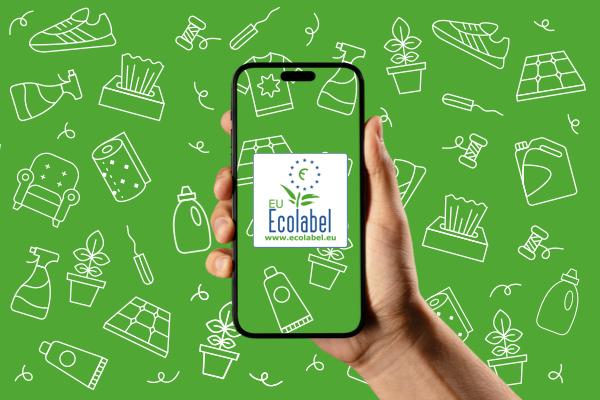
In a comparative analysis, Cyprus, along with Greece, ranks at the bottom of the European Union regarding the availability of sustainable products. The BEUC’s findings reveal that only two per cent of products in major supermarkets carry the EU Ecolabel, a certification indicating compliance with stringent environmental and health standards.
Comparative Market Insight
This figure contrasts sharply with countries such as Denmark and Norway, where the market share of ecolabelled products reaches 80 and 61 per cent, respectively. The study underscores a significant disparity in sustainable shopping options within the EU, leaving consumers in Cyprus with limited choices.
Understanding the EU Ecolabel
The EU Ecolabel, established in 1992, serves as a voluntary certification scheme for non-food products and services. It assures consumers that the products they purchase meet strict environmental and health standards throughout their life cycle—from manufacturing and use to recycling. Ecolabels can be found on a variety of products, including:
- Paper products
- Textiles
- Paints
- Hospitality services
Consumer Expectations and Challenges
BEUC expressed disappointment regarding the low availability of these reliable ecolabelled products in Cyprus. Many consumers are eager to shop sustainably but often face barriers, including misleading green advertisements that create confusion and erode trust in eco-friendly claims. As BEUC stated, “Many people wish to shop sustainably but face difficulties doing so.”
Survey Findings from Local Supermarkets
The BEUC study analysed 244 products from three major supermarket chains in Cyprus: Alpha Mega, Metro, and Sklavenitis. Out of these, only two per cent were found to carry a sustainability label. The survey included a range of products such as:
- All-purpose cleaners
- Body lotions
- Nappies
- Toilet paper
Interestingly, ecolabels were identified only on cleaning products in two of the three surveyed supermarket chains.
Cost Implications of Eco-labelled Products
Despite their limited availability, eco-labelled cleaners in Cyprus were, on average, ten per cent cheaper than other products in the same category. This pricing dynamic could encourage consumers to opt for sustainable options if they are more readily available.
The Role of Retailers in Promoting Sustainability
The BEUC emphasised the crucial role retailers play in enhancing access to sustainable goods. They highlighted the responsibility of these businesses to ensure that sustainable products are not only available but also genuinely meet sustainability criteria. The need for transparency in product labelling is more pressing than ever.
Upcoming EU Regulations Against Greenwashing
Looking to the future, BEUC pointed out that the European Union is implementing new measures aimed at combating greenwashing. This includes a directive that seeks to empower consumers during the green transition. A significant aspect of these upcoming regulations is the prohibition of vague terms like “eco” or “green” unless products can substantiate their environmental performance through the EU Ecolabel or a comparable certification.
Regional Disparities in Sustainable Shopping
The study indicated that the availability of ecolabelled products varies significantly across EU member states. In regions like Scandinavia, buying eco-friendly products is much more straightforward than in parts of Southern Europe, such as Cyprus and Greece. As BEUC concluded, “The results show that the availability of ecolabelled products varies widely across countries.”
Looking Ahead
While the current landscape for sustainable shopping in Cyprus is challenging, there is potential for improvement. The upcoming EU measures could facilitate greater access to sustainable products and strengthen consumer confidence in eco-friendly claims. The good news is that, across most countries, ecolabelled products typically offer a cost advantage over their non-ecolabelled counterparts, encouraging more consumers to make sustainable choices.