cyprus property — The Cyprus property market is currently at a crossroads, balancing significant growth with emerging challenges. In 2026, the real estate and construction sectors in Cyprus are experiencing robust investment and sustained development activity, yet they are also grappling with complex issues related to affordability, infrastructure, planning, and long-term sustainability.
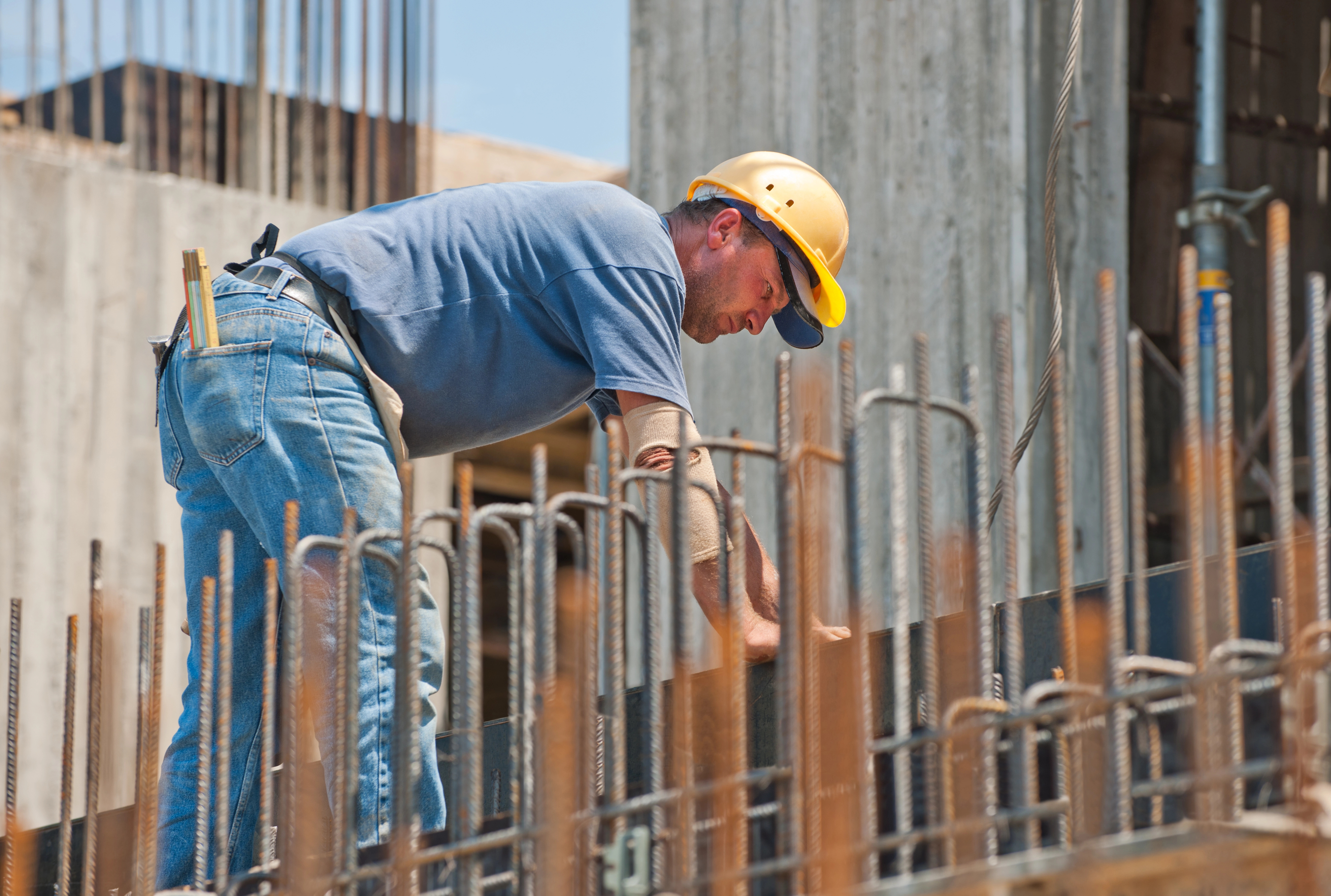
Photo: cyprus-mail.com
- The introduction of modern legislation to address these ongoing challenges is widely viewed as necessary for protecting homeowners and preserving the long-term value of residential assets.
Cyprus property: Resilience Amid Uncertainty
For much of the last decade, Cyprus has established itself as one of the Mediterranean’s most vibrant property markets, attracting international investors and contributing to economic growth. This momentum remains evident, as property transactions continue to show resilience, construction activity remains high, and the development pipeline stays healthy, even in light of a more uncertain international economic environment.
Growing Demand Meets Rising Costs
Despite these positive indicators, the conversation around the property market has evolved. The focus has shifted from simply whether Cyprus can continue to build, to how it can do so sustainably and inclusively. The pressures affecting property markets are not unique to Cyprus; they are mirrored across Europe, where governments are also addressing housing shortages, rising construction costs, and the demand for affordable homes.
Cyprus has largely outperformed many European markets, but it has not escaped the broader trends affecting the continent. Construction costs have risen to record levels, with significant increases in the prices of materials, transport, energy, and skilled labour. These costs inevitably impact the prices paid by homebuyers and tenants.
Financing Challenges for Developers and Households
Alongside rising costs, financing conditions have become more stringent. While interest rates have eased somewhat from previous peaks, borrowing remains significantly more expensive than it was just a few years ago. Developers are facing higher financing costs for their projects, while households are adjusting to this new, more expensive borrowing landscape.
Demand for housing remains exceptionally strong, driven by population growth, increased foreign investment, and changing household structures. Urban centres are particularly affected, attracting both local and international residents due to the employment opportunities they offer. This creates a delicate balance: strong demand fuels continued investment and economic confidence, but it also leads to rising house prices and rents, placing pressure on first-time buyers and younger households seeking affordable accommodation.
Housing Affordability as a Policy Priority
Housing affordability has become a central theme in discussions about Cyprus’ property market. As market strength is viewed as an indicator of economic health, rising prices raise critical questions regarding social cohesion and equitable access to housing. The challenge transcends simply increasing the number of buildings; it necessitates ensuring that the right types of housing are constructed in suitable locations, supported by adequate infrastructure and public services.
The Importance of Strategic Planning
Planning is as crucial as construction in addressing housing challenges. Urban growth cannot rely solely on the pace of private development; it requires long-term planning that anticipates future population needs while preserving quality of life. Infrastructure must expand in tandem with residential development to avoid a lag in essential services.
The debate surrounding strategic planning has gained prominence, with stakeholders recognising that simply building faster will not resolve long-term housing challenges if infrastructure fails to keep pace. Efficient land use is also critical, as many areas suitable for development remain underutilised despite increasing housing demand.
Improving the Planning System
The planning system is currently under scrutiny, with a consensus among developers, local authorities, and policymakers that greater efficiency is needed. Enhancing decision-making processes, clarifying regulations, and ensuring predictability can improve investment conditions while still safeguarding environmental and urban quality.
However, it is essential that speed does not come at the expense of proper oversight. Recent discussions about planning approvals highlight the need to maintain public confidence in regulatory processes.
Challenges in Apartment Management
Another increasingly significant issue within the property market concerns the management of jointly owned residential buildings. Thousands of apartment blocks in Cyprus lack effective management structures, leading to practical and financial difficulties for residents. Issues related to maintenance, shared expenses, and long-term preservation of buildings have become pressing as apartment living expands.
The introduction of modern legislation to address these ongoing challenges is widely viewed as necessary for protecting homeowners and preserving the long-term value of residential assets.
Sustainability as a Necessity
As sustainability becomes an essential consideration, energy-efficient buildings, environmentally responsible design, and renewable energy integration are transitioning from luxury features to market expectations. New constructions increasingly reflect evolving environmental standards, while existing properties offer significant opportunities for renovation and energy upgrades.
Digital Transformation in Development
The property sector is also undergoing a digital transformation, with advanced planning tools, building information modelling, artificial intelligence, smart infrastructure, and digital permitting systems reshaping how projects are designed, approved, and executed. These innovations improve efficiency, reduce waste, and enhance transparency throughout the development process.
The Future of Cyprus’ Property Market
Cyprus’ property market is at a pivotal moment. The future will not solely be measured by the number of buildings erected or transactions completed, but rather by whether growth can foster stronger communities alongside economic performance. With continued investor interest, an experienced development sector, and growing technological capabilities, Cyprus has a solid foundation upon which to build.
However, achieving a balance between investment, affordability, growth, sustainability, efficiency, and accountability is crucial. If Cyprus can navigate these complexities, the current construction boom may not just alter the skyline but also lay the groundwork for a more resilient, inclusive, and sustainable future.