eu energy — eu energy — The supply of natural gas and renewables across the European Union grew during 2025, reflecting a notable shift in the energy mix. According to preliminary data released by Eurostat, natural gas saw a 2.3 per cent increase compared to 2024, reaching approximately 13.1 million terajoules. This marks the second consecutive year of growth after a steep decline in 2023.
Eu energy: Renewable Energy Maintains Momentum
Renewable energy also demonstrated resilience, totalling 11.5 million terajoules, which represents a growth of 1.4 per cent despite a significant reduction in hydropower output. The trends indicate a robust transition towards cleaner energy sources, even as traditional fossil fuels continue to decline.
Nuclear Energy Shows Minimal Increase
Nuclear energy supply rose modestly by 0.2 per cent, reaching 650,648 gigawatt-hours. This stability in nuclear output contrasts sharply with the downward trajectory observed in coal and petroleum products.
Coal and Petroleum Products Decline Significantly
Coal supply in the EU has plummeted to its lowest level since records began in 1990. Brown coal supply fell by 7.7 per cent to 184,741 thousand tonnes, while hard coal dropped by 3.2 per cent to 107,072 thousand tonnes. Similarly, petroleum products saw a decrease, with total supply amounting to 448,656 thousand tonnes, a 2.8 per cent drop compared to 2023.
Electricity Generation Trends
In terms of electricity generation, renewable energy sources remain dominant, accounting for 47.2 per cent of all production in the EU, albeit with a slight decline of 0.5 per cent compared to 2024. Fossil fuels contributed to 29.6 per cent of total electricity generation, marking a 3.2 per cent increase, while nuclear energy accounted for 23.2 per cent of the mix.
Wind and Solar Energy Lead Renewable Growth
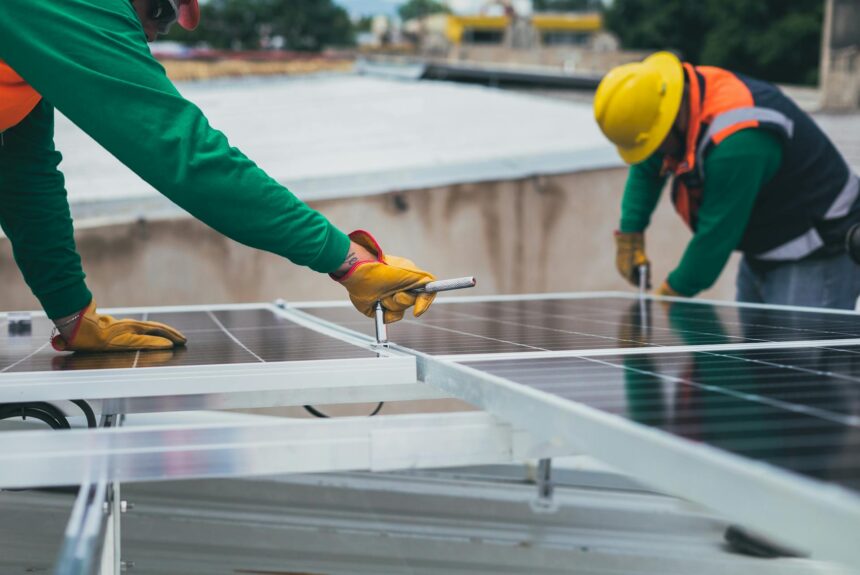
Delving into the specifics of renewable energy, wind energy continues to be the top contributor, representing 37.5 per cent of the total renewable output. Solar energy is making impressive strides, growing by 24.6 per cent throughout 2025 and accounting for 27.5 per cent of the total. In contrast, hydropower saw a decline of 11.8 per cent, reflecting the challenges faced in this sector.
National Variations in Renewable Energy Production
At the national level, Denmark has emerged as a leader in renewable electricity generation, boasting an impressive 92.4 per cent share. Austria follows closely with 83.1 per cent, and Portugal rounds out the top three at 82.9 per cent. These figures highlight the varying degrees of success among EU member states in transitioning to renewable energy.
Challenges for Lower-Ranked Countries
Conversely, Cyprus has been identified as having one of the lowest shares of electricity generated from renewable sources within the EU, ranking fifth lowest in 2025. This underscores the ongoing challenges Cyprus faces in expanding its green energy capacity, particularly when compared to the EU average of 47.3 per cent. Other countries struggling in this area include Malta at 16.2 per cent, the Czech Republic at 16.6 per cent, and Slovakia at 17.8 per cent.
Looking Ahead
As the EU continues to navigate its energy landscape, the growth of natural gas and renewables may play a crucial role in shaping future energy policies. The trends observed in 2025 indicate a gradual shift away from fossil fuels, although challenges remain in maintaining energy security and meeting climate targets. The commitment to increasing the share of renewables will be vital for the EU’s long-term sustainability and energy independence.