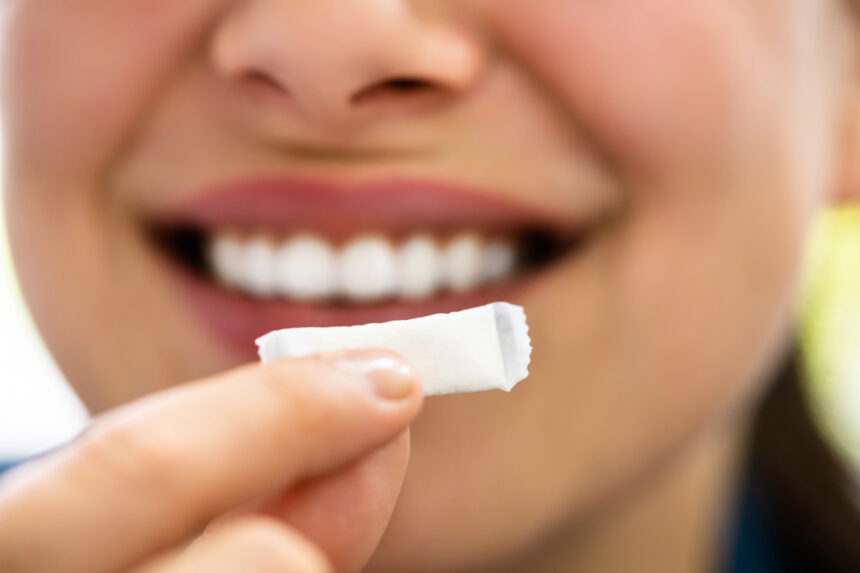
Nicotine pouches, commonly referred to as snus, are currently in a state of regulatory limbo in Cyprus. The drugs council classified these products as pharmaceutical items in October 2024, necessitating a marketing authorisation for legal sale. However, no such licences have been granted, leaving a significant gap in oversight.

Photo: cyprus-mail.com
- Since their arrival in Cyprus in 2024, the market has seen a surge in untaxed, high-nicotine products, particularly from China, which has exacerbated public concern over safety and regulation.
This absence of regulation means that nicotine pouches do not fall under existing smoking control laws, nor are they subjected to rules regarding potency, taxation, or age restrictions. This has left kiosk operators and consumers alike in a confusing situation, with neither clear guidance nor legal parameters defining the sale and distribution of these products.
Health officials have issued serious warnings about the potential dangers of nicotine pouches, citing risks ranging from tachycardia to nicotine poisoning. Kiosk owners, however, find themselves caught in a legal quagmire, selling products that have entered the market without a clear regulatory framework, yet facing blame for their availability.
Snus: A Growing Market in Need of Regulation
Nicotine pouches, small sachets placed under the lip, have gained popularity as a smoking alternative, especially in Sweden and other Nordic countries. While traditional tobacco-based snus remains banned across most of the EU, non-tobacco nicotine pouches are legal in over 15 EU member states, where they are regulated and taxed as standard commercial products.
Since their arrival in Cyprus in 2024, the market has seen a surge in untaxed, high-nicotine products, particularly from China, which has exacerbated public concern over safety and regulation.
Temporary Classifications and Public Health Concerns
The Cypriot health ministry’s temporary classification of these pouches as pharmaceuticals has effectively rendered them illegal for general sale, as no marketing authorisations have been issued. The drugs council’s stance categorises these products as “addictive substances,” which raises questions about the consistency of this approach when compared to other legal but addictive products like cigarettes and alcohol.
Dr Andreas Zacharides, a noted pulmonologist, has highlighted the need for a nuanced discussion around harm reduction. He suggests that while the risks associated with nicotine pouches should not be dismissed, they present a relative advantage over combustible tobacco products, which are associated with severe health risks due to combustion and the inhalation of toxic compounds.
The Consumer Perspective
For many consumers, particularly smokers or former smokers, navigating the public health discourse surrounding nicotine pouches is challenging. One former smoker shared, “I tried patches, gums, pills, you name it. The pouches were the first thing that stopped me lighting up.” This sentiment is echoed among those who feel underserved by the current alternatives available in Cyprus, which are limited to low-dose nicotine gums.
The Call for Legislation
In light of the ongoing chaos surrounding nicotine pouches, Diko MP Chrysis Pantelidis has proposed a legislative framework that would regulate these products under existing smoking laws. This proposal aims to establish rules on composition, enforce age restrictions, and impose excise duties. Pantelidis argues that the current situation offers no protection for public health, minors, or government revenues.
He asserts, “Right now we have the worst of all worlds. If nicotine pouches are going to circulate, pretending they are medicines no one will ever license simply hands the market to smugglers and unregulated imports.” Retailers share similar concerns, emphasising that banning the products outright has not curtailed their availability. Kiosk operators continue to sell them informally, lacking age checks and quality control, while cigarettes remain readily accessible in licensed shops.
Looking Ahead
As Cyprus navigates this complex landscape, the need for a balanced approach to regulation is clear. With one of the highest smoking rates in Europe and a significant lung cancer burden, the potential for nicotine pouches to serve as a less harmful alternative for smokers could warrant serious consideration. The challenge lies in developing a regulatory framework that enhances public health protections while addressing the realities of consumer demand.