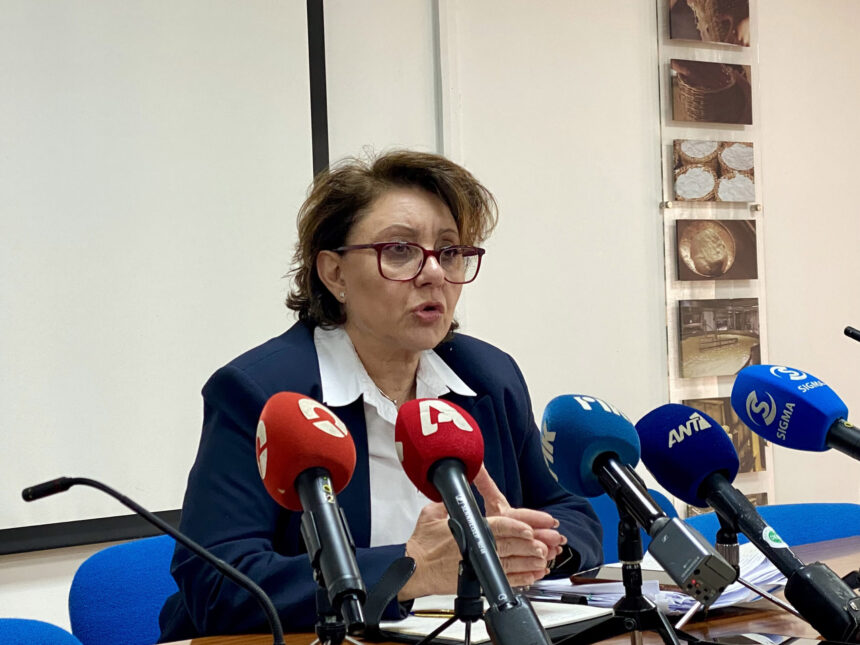
Foot-and-mouth disease continues to threaten livestock on the island, with over 15,000 animals culled so far as authorities intensify efforts to manage the outbreak. Veterinary services spokeswoman Sotiria Gregoriadou made a strong appeal to farmers on Saturday, urging them to comply fully with established protocols to eliminate the virus.
- As of now, vaccinations have reached 73 per cent of cattle farms and about 35 per cent of sheep and goat holdings, indicating a significant progress in the immunisation efforts against the disease.
- "We must focus on the big picture," Gregoriadou asserted, emphasising that strict adherence to measures is essential to prevent further spread of the disease and to mitigate the ongoing crisis.
During a media briefing, Gregoriadou provided an update on the situation, noting that the number of affected farms has stabilised at 38. While this is seen as a positive sign, she cautioned that any disregard for the measures in place could lead to a rapid deterioration of the current status.
Reports indicate that some farmers have been uncooperative, hindering veterinary teams from conducting necessary inspections and culling operations. Gregoriadou highlighted the risks faced by officials, revealing that several have sustained injuries during confrontations with non-compliant farmers, with at least two having filed police complaints following incidents of violence.
The culling operations have targeted approximately 14,000 sheep and goats and around 1,100 cattle, with authorities anticipating the destruction of an additional 10,000 animals as part of ongoing efforts to contain the outbreak. Alongside these measures, veterinary services are actively collecting samples for laboratory testing and initiating a vaccination campaign across livestock units.
As of now, vaccinations have reached 73 per cent of cattle farms and about 35 per cent of sheep and goat holdings, indicating a significant progress in the immunisation efforts against the disease.
In an effort to support farmers affected by the crisis, an advisory committee on compensation was established on March 5. This committee has commenced meeting to prepare individual files for livestock producers to assess their eligibility for financial assistance. The government plans to introduce compensation of up to 50,000 euros for farmers who have lost animals due to the outbreak.
Moreover, the agriculture ministry is in discussions with European partners such as Spain and France to facilitate future imports of high-value livestock once the island is declared free of foot-and-mouth disease.
“We must focus on the big picture,” Gregoriadou asserted, emphasising that strict adherence to measures is essential to prevent further spread of the disease and to mitigate the ongoing crisis.