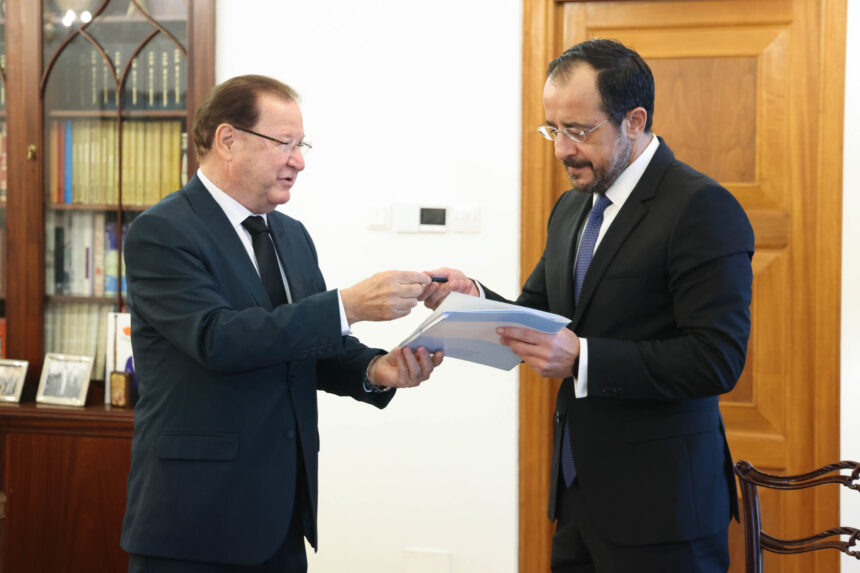
The civil servant assessment system is currently facing serious violations, as noted by public service commission president George Papageorgiou. On Monday, Papageorgiou presented the commission’s report for 2024 to President Nikos Christodoulides, highlighting significant issues with the evaluation process across various government departments.
Evaluation Standards Ignored
According to Papageorgiou, the evaluation system is not just being deviated from, but is being blatantly violated by many ministries and services. He stated that nearly all civil servants were rated as ‘excellent’, raising concerns about the integrity of the assessment process.
Concerning Trends in Evaluations
In the report, the average score for civil servant evaluations in 2024 was recorded at 9.01 out of 10, an increase from 8.74 in 2023. However, there were exceptions, as the deputy shipping ministry, the information services department, and the press and information office were highlighted for properly adhering to the evaluation system.
Training and Understanding Issues
Papageorgiou pointed out that despite the evaluators being trained for their roles, there appears to be a failure to fully grasp their responsibilities. He remarked that evaluators have reverted to “outdated mentalities”, which undermines the effectiveness of the assessment system.
Reform Efforts Underway
The president of the public service commission indicated ongoing reform efforts, noting that the commission has worked throughout 2024 to ensure that necessary actions are implemented effectively. Papageorgiou mentioned that the reform process has faced challenges but remains crucial for improving the civil service.
Presidential Insights on Reforms
During the presentation of the report, President Christodoulides acknowledged that every reform initiative encounters significant challenges and reactions. He expressed the importance of evaluating reforms critically to identify any problems and distortions, emphasising that the ultimate goal is to enhance public perception of the civil service.
Progress and Future Evaluations
Christodoulides stated that while important work has been accomplished compared to previous situations, comprehensive evaluations of the reforms cannot yet be made as they have not been fully implemented. The president highlighted the necessity of continual assessment to ensure that the reforms lead to tangible improvements.
Hiring and Staffing Developments
In addition to evaluation assessments, Papageorgiou discussed crucial changes to the hiring process of civil servants, particularly for senior positions. He noted that the past year has been pivotal in establishing new procedures for recruitment, aided by funding from the European Commission for the creation of an examination centre for the Cyprus public service commission.
Commission Activities and Outcomes
In 2024, the commission convened 221 times, addressing 3,113 issues, more than half of which were related to filling posts. Of these, 1,014 positions were filled through 613 appointments and 401 promotions. This indicates a proactive approach to managing human resources within the civil service.
Demographics of Civil Servants
Discussing the profile of civil servants, Papageorgiou revealed that a significant majority hold university degrees, with 77 per cent of degree holders in positions that do not require such qualifications. The gender distribution shows that 64 per cent of civil servants are women, who also occupy most senior positions, with men and women holding similar percentages in middle management and managerial roles.
Age Distribution Insights
The age demographics within the civil service show that only 7.23 per cent of civil servants are aged 18 to 34, while 67 per cent fall between 35 and 54 years old, and 25.76 per cent are over 55. This distribution may suggest a need for strategies to attract younger talent into the civil service.
Legislative Changes and Future Outlook
Papageorgiou concluded by stating that the reforms introduced since 2022 have shifted the focus of hiring senior civil servants towards candidates’ skills and abilities rather than merely their qualifications. This change aims to enhance the quality and effectiveness of the civil service in Cyprus.