larnaca breakwater — The Environment Department’s decision to block the proposed Larnaca breakwater project reflects serious concerns over irreversible damage to local ecosystems.
Larnaca breakwater: Concerns Over Coastal Erosion Solutions
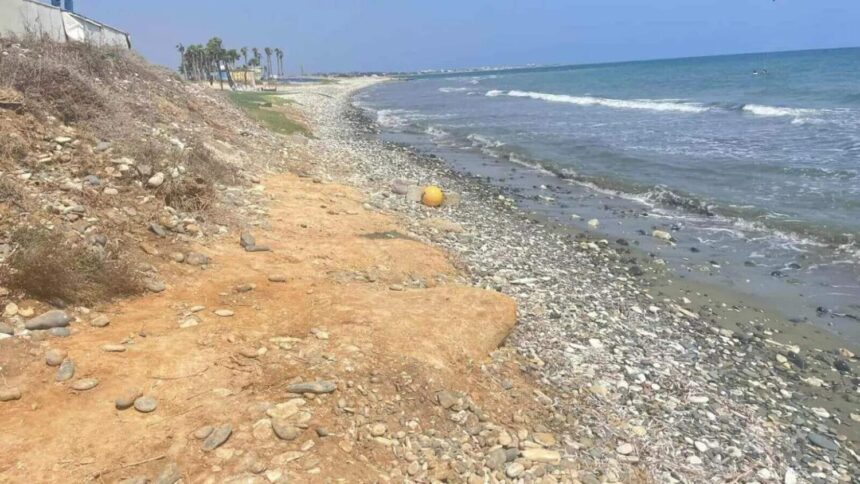
On 14 January 2025, Cyprus’s Department of Environment delivered a negative opinion regarding plans to construct breakwaters and perpendicular groins along the coastal front stretching from Kiti Cape to the area around Larnaca airport. This decision signifies a critical turn in efforts to address severe coastal erosion in the region.
The recommendation stresses the importance of finding alternative solutions that adhere to Nature-based Solutions principles. It is imperative that these alternatives avoid any direct or indirect impacts on significant species and habitats, ensuring the preservation of biodiversity while addressing the challenges posed by climate change.
Strategic Environmental Impact Study Findings
The Public Works Department had previously submitted a Strategic Environmental Impact Study aimed at protecting a 6.5-kilometre stretch of coastline from erosion. However, the Environment Department, led by deputy director Elena Stylianopoulou, concluded that the proposed breakwater plan would result in “significant, direct and irreversible impacts” on the environment.
The Special Ecological Assessment Report revealed that the area contains 10% of all sand dune habitats within Cyprus’s Natura 2000 network. Any loss of these habitats could put Cyprus at risk of violating its obligations to the European Union.
Environmental Risks Highlighted by Experts
According to the study, the construction of breakwaters would lead to the destruction of critical marine ecosystems. Specifically, it would destroy 1,603 square metres of Posidonia oceanica meadows, essential for protecting the coast from erosion, in addition to harming 22,486 square metres of sandy bottoms and 11,661 square metres of reefs. These areas serve as vital feeding grounds for endangered turtle species, including Caretta caretta and Chelonia mydas, that inhabit the region throughout the year.
Coastal engineering expert Xenia Loizidou pointed out that the severe erosion currently observed is partly a consequence of the existing Pervolia breakwater, which was constructed in 1980. She warned that the addition of new hard structures located just 240 metres from the coast would not only fail to alleviate the erosion problem but would likely exacerbate it, creating new instability and increasing erosion in northern coastal areas.
Loizidou stated, “Sand in the area follows a natural cycle: carried away in winter and returns in summer. Artificial works would disrupt this balance,” further emphasising the need for a more sustainable approach to coastal management.
Recommendations for Sustainable Coastal Protection
The report concluded that the proposed breakwater project could not be considered environmentally acceptable due to its expected impact on marine ecosystems, particularly the Posidonia meadows. The expert assessment also raised significant concerns regarding the use of quarry sand for artificial replenishment, given the sensitivity of the area’s marine environments.
As an alternative, the report suggests implementing softer coastal protection measures, which include:
- Extending existing coastal armouring
- Constructing sea access stairs
- Designing jetties on piles
- Creating short dense bottom groin systems
- Reconstructing the existing parallel breakwater
Study Area and its Significance
The study area encompasses three sub-areas: the first extends from Kiti Cape to the western edge of natural boulder coastal armouring in the Pervolia community; the second spans from that point to the Yialos Village (Cybarco) complex; and the third covers the region from the complex to the eastern boundary of the study area at Larnaca airport.
This decision by the Environment Department not only underscores the importance of ecological preservation but also challenges the traditional methods of coastal protection that could lead to more harm than good. The call for alternative solutions marks a significant shift towards integrating environmental sustainability into infrastructure planning.