Honey production in Cyprus has faced a significant decline due to adverse weather, with recent reports indicating a fall of up to 30 per cent in output. This downturn highlights the increasing pressures on the island’s beekeeping sector, as noted by the agricultural department.
Senior agricultural officer Lysandros Lysandrides shared insights on the matter, revealing that prolonged drought and heat have contributed to a reduction of at least a third in average honey yields per hive. Despite these challenges, Cyprus has managed to avoid the devastating colony losses experienced by neighbouring countries.
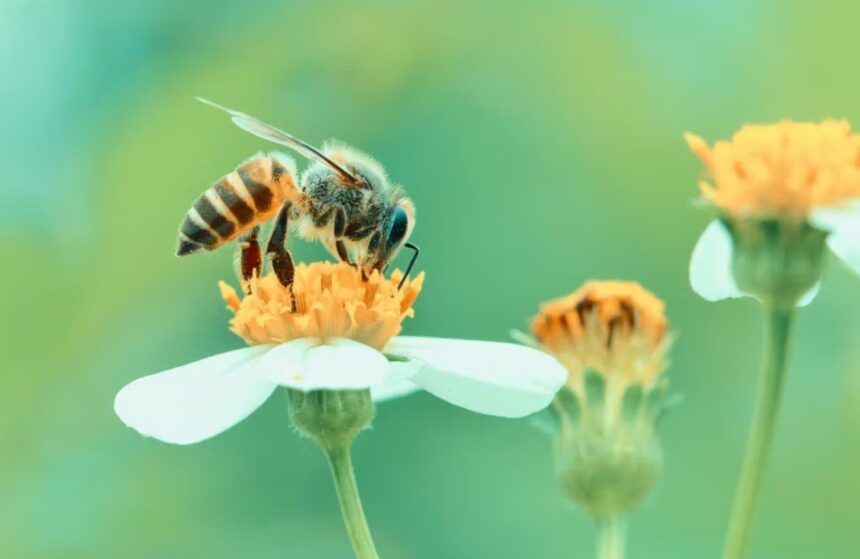
The decline in honey production comes at a time when local beekeepers are grappling with rising costs and fierce competition from low-priced imports. Bees are vital not only for honey but also for the pollination of approximately 75 per cent of plant species globally and up to 90 per cent of many fruits and crops.
As climate change increasingly affects the island, maintaining healthy bee populations has become crucial for biodiversity, environmental balance, and agricultural productivity. Lysandrides highlighted that the pressures facing bees are part of a global trend, largely driven by habitat loss due to urbanisation and pesticide overuse.
While other countries have faced severe losses—Bulgaria, for instance, has reportedly lost up to 90 per cent of its colonies—Cyprus has seen lower colony losses. Local beekeepers, experienced in managing hives under dry conditions, invest significantly in replacing weakened colonies, yet the impact on production remains severe.
Higher temperatures, prolonged droughts, and expanding urban areas have drastically reduced wild vegetation, limiting access to vital pollen and nectar. In addition, changes in the biological cycles of bees have weakened their immune systems, rendering colonies more susceptible to diseases and increasing predator activity.
Amid these challenges, the government has rolled out a series of national and EU-supported initiatives to bolster the beekeeping sector. These measures include promoting organic colony management and providing assistance for transporting hives to more productive areas.
The Chamber of Commerce and Industry (Keve) is actively involved in coordinating the EU-backed PLANBEE project, which aims to enhance the beekeeping economy through Mediterranean cooperation. With a budget of €2.8 million, the project brings together partners from Cyprus, Egypt, Italy, Jordan, Lebanon, and Palestine, focusing on skills training and innovation, including the introduction of smart hives and flora-based honey development.
Despite these proactive efforts, Cypriot beekeepers continue to face the most formidable challenge of competition from imported honey. Lysandrides pointed out that honey imported from China can enter the EU at a price as low as €1.40 per kilo, while retail prices for Cypriot honey hover around €10 per kilo.
As production costs escalate, local producers have found it difficult to increase prices, placing additional strain on their incomes and the sustainability of their operations. Currently, domestic production meets about 45 per cent of Cyprus’s honey demand.
Interestingly, over a quarter of Cypriot beekeepers are under the age of 40, a significantly higher proportion than in many other agricultural sectors. This youthful demographic could bring fresh perspectives to the industry.
Lysandrides remains optimistic, stating that the unique quality of Cypriot honey, a product of the island’s distinct vegetation and climate, combined with consumer awareness of the widespread adulteration of imported honey, could play a pivotal role in securing the future of the sector.