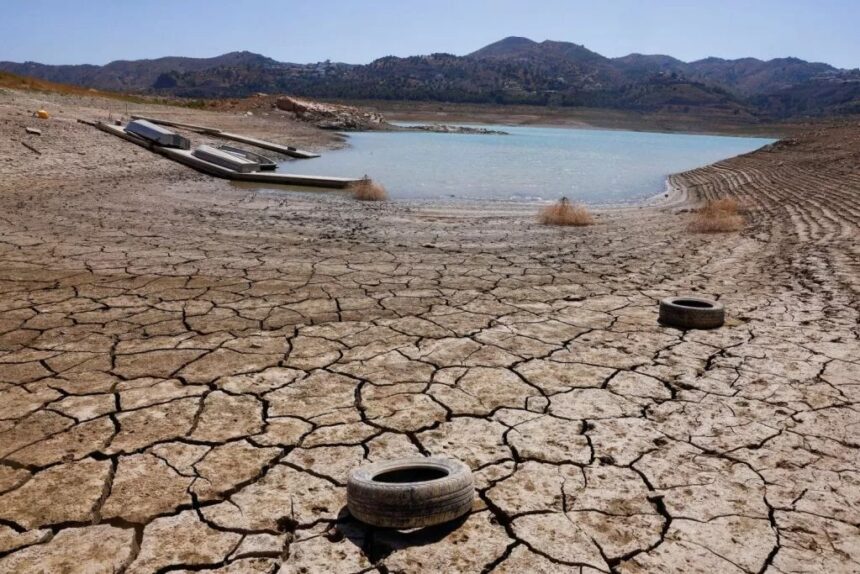
cyprus water — cyprus water — Cyprus dam reserves have plunged to a concerning 10.8% from 26.6% within a year, prompting an urgent presidential meeting last Wednesday. As the island grapples with one of its worst water crises in decades, President Nikos Christodoulides received a stark warning from the Water Development Department (WDD) regarding the dire need for immediate action.
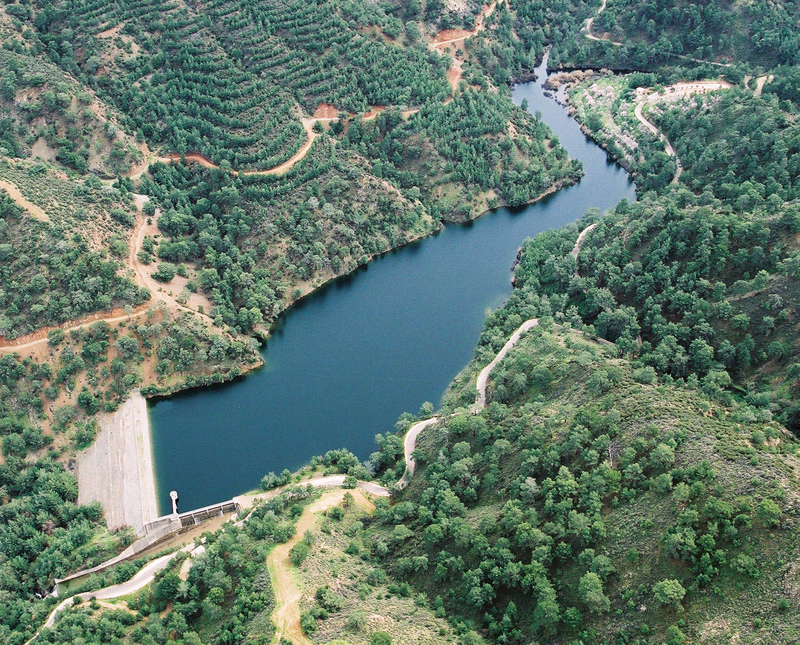
Photo: in-cyprus.philenews.com
Without a 10% reduction in water consumption and swift expansion of desalination efforts, officials warn that the exhaustion of dam reserves is unavoidable. This winter is already marked as the worst on record for water inflows to the Southern Conveyor system, positioning 2025 as the eighth-driest year since 1901.
Photo: in-cyprus.philenews.com
The current crisis is exacerbated by a history of policy missteps. The WDD revealed that financial constraints and delayed approvals had left desalination plants idle between 2019 and 2022. Had these plants operated at full capacity, they could have added over 110 million cubic metres of water—more than triple the current reserves—into the system.
Cyprus water: Mobilising Desalination Efforts
In light of the escalating situation, the government is racing to enhance desalination production. Mobile units in Garyllis and Limassol Port are set to commence operations in February, complementing existing facilities in Moni and Kissonerga. This expansion aims to boost total capacity to 282,000 cubic metres daily, a significant 20% increase that could satisfy 80% of current demand.
Further plans include tendering three additional mobile units for locations such as Episkopi, Ayia Napa, and Vasiliko, with another unit anticipated for Mazotos. In negotiations with the UAE for extra equipment, the government is also exploring the option of a floating desalination plant in Germasogeia, leveraging an undersea pipeline installed from Greece in 2008.
By 2029, two new permanent plants in Famagusta and eastern Limassol are expected to operate on renewable energy, enabling Cyprus to meet the water needs of government-served areas solely through desalination.
Financial Commitment to Address the Crisis
The government’s response includes a substantial increase in the 2026 water budget, now soaring to €195.7 million—the highest ever—with €140 million specifically allocated for purchasing desalinated water. However, infrastructure projects are time-consuming, necessitating immediate action from citizens to curb their water usage.
Addressing the Consumption Challenge
Currently, consumption rates are alarmingly high, with citizens using up to 700 litres daily, far exceeding the average target of 120 litres. The WDD has indicated that achieving this average would provide crucial time for new projects to begin operations before reservoir levels drop dangerously low. Starting in February, every household, business, and public office will receive free tap aerators aimed at reducing water flow.
Additionally, the “Stagonometro” app will be launched to help families monitor their consumption levels, while schools will implement weekly activities focused on water conservation. Public squares will also display the progress of each province towards the 10% reduction target, reinforcing the urgency of the situation.
Infrastructure Challenges and Future Plans
Despite these efforts, the issue of leaking pipes remains a significant drain on water resources. In an attempt to address this, the government has allocated €10.5 million for replacing ageing infrastructure and €300,000 per province for emergency repairs that can be enacted within 12 hours.
A comprehensive study to assess actual network losses—previously only estimated—has commenced and is expected to conclude in 2027. Additionally, plans are underway to establish a unified Water Authority by 2027, aimed at replacing the current fragmented system and improving crisis management capabilities.