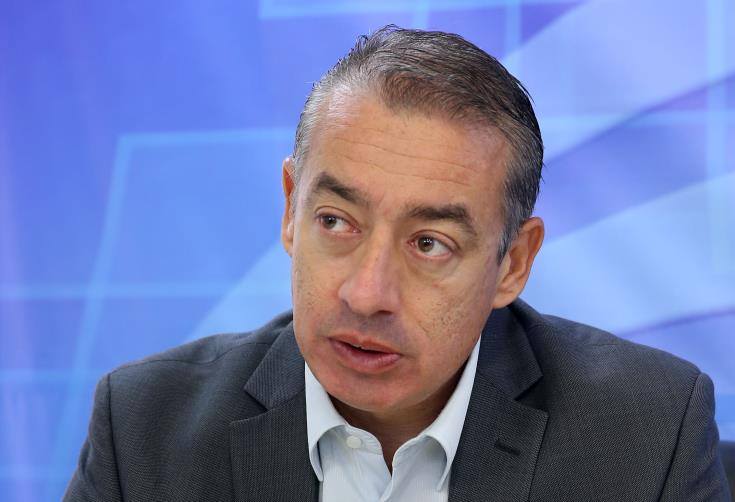
Yiannakis Yiannaki, the former Cyprus Volunteerism Commissioner, could see his prison time cut short, with the possibility of release by late 2026. The 61-year-old was sentenced to three years in prison after being found guilty of using forged academic credentials during his tenure at the Cyprus Youth Board. Despite the serious nature of his offences, Yiannaki faces no financial repercussions for the salary he received through fraudulent means.
Yiannakis yiannaki: Details of the Sentencing
Yiannaki was sentenced for his role in acquiring a position at the Cyprus Youth Board based on falsified educational qualifications. His conviction was handed down by Judge Nicole Gregoriou, who noted that the fraudulent documents were key to his employment. The court did not impose any financial penalties related to the salary he earned during his time on the board.
Potential for Early Release
Under current Cyprus law, Yiannaki is eligible to apply for conditional release after serving half of his sentence. This means he could seek parole as early as late 2025, having served approximately 27 months. In practice, each year served counts as nine months against his sentence. Thus, his eligibility for early release aligns with the standard provisions for inmates in similar situations.
Application Timeline for Parole
Yiannaki can submit his application to the Parole Board by the end of next year. If granted, this would allow him to return to society before completing the full three-year term of his sentence. The prospect of early release is contingent on various factors, including his behaviour in prison and the recommendations from the parole officials.
No Financial Accountability
Interestingly, the Law Office has not pursued any charges regarding the salary Yiannaki received while fraudulently employed. This has raised questions about accountability in cases of academic fraud and the consequences for public officials who misrepresent their qualifications. The judge was not required to address any economic crimes related to Yiannaki’s employment compensation because such charges were not included in the prosecution.
Implications of Lack of Charges
As a result, there have been no proceedings initiated to recover any portion of Yiannaki’s salary from the Cyprus Youth Board. This absence of action has left many wondering whether similar cases will be handled differently in the future, especially given the growing awareness of fraud in public service roles. The lack of accountability may set a concerning precedent for other public officials regarding the misuse of credentials.
Future Disciplinary Actions
Despite his conviction, it remains uncertain whether any disciplinary proceedings can be concluded before Yiannaki reaches retirement age at 63. The timing raises concerns about the effectiveness of current policies in dealing with fraudulent behaviour among public officials. If disciplinary measures are not taken swiftly, it may undermine public trust in governance and accountability.
Public Reaction
The case has sparked significant public interest and debate regarding the integrity of public officials. Many citizens express frustration at the lack of financial penalties for Yiannaki, questioning how such actions can go unpunished when they undermine the values of public service. Advocates for reform are calling for stronger measures to ensure that public officials are held accountable for their actions, particularly those involving fraud.
Legal Context and Reforms
The situation surrounding Yiannaki’s case sheds light on the legal framework governing public service and academic qualifications in Cyprus. As the government and legal institutions assess their current policies, there may be a push for reforms aimed at preventing similar fraudulent activities in the future. Such reforms could include stricter verification processes for qualifications and more robust penalties for those found guilty of deception.
Looking Ahead
As discussions about accountability and public service integrity continue, the case of Yiannakis Yiannaki serves as a crucial example of the challenges faced in ensuring that public officials are held to high ethical standards. With potential changes on the horizon, stakeholders are hopeful for a system that prioritises transparency and responsibility.