Unions are intensifying their efforts regarding labour policies, seeking a meeting with President Nikos Christodoulides as a key labour advisory body meeting approaches.
- Unions are intensifying their efforts regarding labour policies, seeking a meeting with President Nikos Christodoulides as a key labour advisory body meeting approaches.
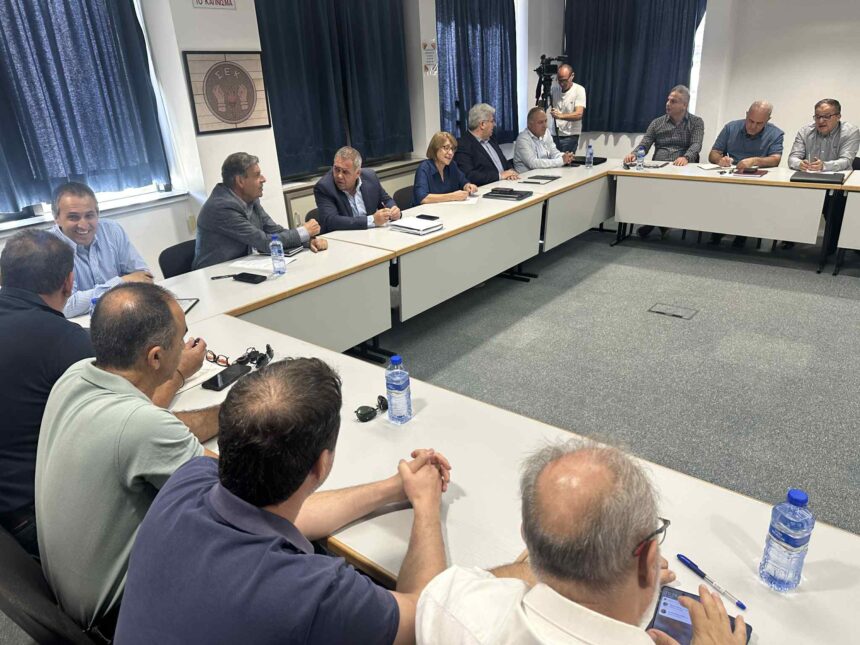
On Friday, representatives from the unions Sek, Peo, and Deok gathered to strategise, agreeing to submit a memorandum to the President that covers a variety of labour issues, with a particular focus on the minimum wage.
Upcoming Labour Advisory Meeting
The labour advisory body is set to convene on January 9, where discussions will include union officials, the labour minister, and employers’ organisations. Peo’s general secretary, Sotiroulla Charalambous, indicated that the memorandum will be finalised within the next week, ahead of this critical meeting.
Minimum Wage Concerns Take Centre Stage
Andreas Matsas, general secretary of Sek, highlighted the importance of the meeting with the President, describing it as a pivotal moment in their efforts. He pointed out that the unions have prepared four main issues to discuss, with the minimum wage at the forefront.
Matsas emphasised the need to reassess both the amount and hourly rate of the minimum wage to better support vulnerable workers, who have not seen benefits from recent tax reforms. He mentioned that these groups often lack access to collective agreements, supplementary pensions, or security measures.
Strategies for Employment and Collective Agreements
While the minimum wage debate is anticipated to dominate discussions, the unions also aim to address strategies for employing workers from third countries. The expansion of collective agreements will be another topic, as it aligns with the European Minimum Wage Directive and the conditions tied to public contracts.
Matsas noted that the implementation of these collective agreements has been agreed upon with the President but remains pending. Additionally, the discussion will include the Ergani 2 software, an online system created by the government to combat illegal work. Matsas believes this system could enhance employment regulations and reduce instances of undeclared work.
Criticism of Current Labour Policies
The unions’ efforts come amidst growing discontent regarding social and welfare policies. Akel leader Stefanos Stefanou has been vocal about the situation, stating that one in four Cypriots lives on a low income, while one in seven is at risk of poverty. He argues that stagnant wages and ongoing economic insecurity highlight the shortcomings of existing policies.
Peo has expressed disappointment with the government’s decisions, labelling them as inadequate and a setback that fails to meet the EU directive on minimum wage adequacy. In a joint statement, the unions asserted that when inflation is considered, the effective increase in minimum wage translates to just €67 after six months of work, which falls below the EU benchmark of 60% of the median wage.
Concerns for Small Businesses and Youth Employment
These concerns have been met with caution from fiscal council president Michalis Persianis, who warned that excessive focus on wage increases might adversely affect small businesses and youth employment. As the unions prepare for their meeting with the President, the outcome could significantly influence the future of labour policies in Cyprus.