The Limassol CSN forum delved into significant themes affecting the maritime industry, focusing on the interplay of geopolitics, green transitions, and artificial intelligence in shipping.
- The Limassol CSN forum delved into significant themes affecting the maritime industry, focusing on the interplay of geopolitics, green transitions, and artificial intelligence in shipping.
- Additionally, the panel addressed the depreciation of the US dollar over the past 15 months, noting its supportive role in trade activity amid gradual shifts in its dominance as a reserve currency.
Held at Columbia Plaza, the event titled “Shipping through times of turbulence and innovation” brought together prominent figures from the shipping sector. The gathering aimed to address the transformative forces reshaping the industry, particularly in the context of geopolitical dynamics and the push towards a more sustainable and digitally-driven future.
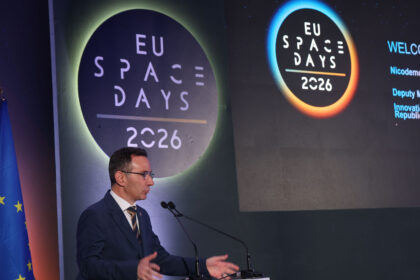
Shipping Deputy Minister Marina Hadjimanolis opened the forum, reaffirming the government’s commitment to supporting the maritime sector during these challenging times. Her presence highlighted the importance of collaboration between governmental bodies and industry stakeholders.
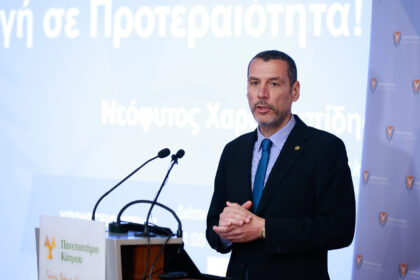
The keynote address by Andreas Neophytou, president of the Cyprus Shipping Chamber (CSC), underscored the resilience and strategic importance of the Cyprus maritime cluster. Neophytou’s insights set the tone for a robust discussion on the pressing issues facing the industry.
The first segment of the debate centred on the geopolitical reconfiguration of global trade. Moderated by Vasilis Mouyis of Doric Shipbrokers, the panel explored the implications of rising US protectionism and its re-industrialisation agenda. With tariffs and trade disputes increasingly leveraged as national security tools, participants noted the resulting shifts in global trade patterns.
While the term de-globalisation often dominates public discourse, speakers presented a more nuanced perspective. They argued that while trade routes are evolving through reshoring and nearshoring, the overall volume and value of traded goods remain closely tied to global GDP growth.
The conversation also ventured into international flashpoints, including the ongoing Russia-Ukraine conflict and tensions in the Middle East. The potential disruptions to critical chokepoints in the Arabian Gulf and the Red Sea were highlighted as significant concerns for the shipping industry.
Additionally, the panel addressed the depreciation of the US dollar over the past 15 months, noting its supportive role in trade activity amid gradual shifts in its dominance as a reserve currency.
As the discussion shifted towards decarbonisation, participants examined the implications of EU ETS and FuelEU Maritime regulations, alongside the International Maritime Organisation’s (IMO) ambitious 2050 net-zero goal. The recent decision to delay the adoption of the Net-Zero Framework by a year was viewed positively, allowing for necessary refinements to ensure the transition is both technically and economically viable.
Technical aspects of shipping operations were also on the agenda, particularly regarding the Energy Efficiency Design Index (EEDI), Energy Efficiency Existing Ship Index (EEXI), and Carbon Intensity Indicator (CII). With around 20 per cent of the global fleet projected to be ready for alternative fuels by 2030, the emphasis lay on energy-saving technologies like propeller ducts and wind-assistance systems, alongside the growing potential of carbon capture technologies.
The forum concluded with a focus on the role of digitalisation and artificial intelligence in the maritime sector. As automation becomes more prevalent, speakers noted that the integration of AI presents not only technical challenges but also human ones. Ensuring that organisational culture and crew competencies evolve alongside technological advancements is essential for successful implementation.
The panel featured industry experts, including Eugen Adami from Mastermind Shipmanagement, Anna Koukkides-Procopiou from the POLITIA think-tank, and Andreas Chrysostomou from the Clean Shipping Alliance, among others. Their collective insights provided a comprehensive overview of the challenges and opportunities facing the shipping industry as it navigates these turbulent times.