Concerns about snakes in Cyprus have resurfaced following the tragic death of a 78-year-old man in Paphos, potentially linked to a viper bite. This incident prompts a discussion on how dangerous snakes really are in Cyprus and the measures residents and visitors can take to protect themselves.
Assessing the Threat of Snakes
The fear of snakes, known as ophidiophobia, can be overwhelming, yet the risk of a fatal snake bite in Cyprus is extremely low. Between 2000 and 2019, only two deaths were attributed to snake bites, with one involving multiple causes alongside the snakebite, according to research by Daniel Jestrzemski and colleagues.
If confirmed, the Paphos incident would be the first snake-related death in Cyprus since 2019, highlighting that such occurrences are rare.
Venomous Species in Cyprus
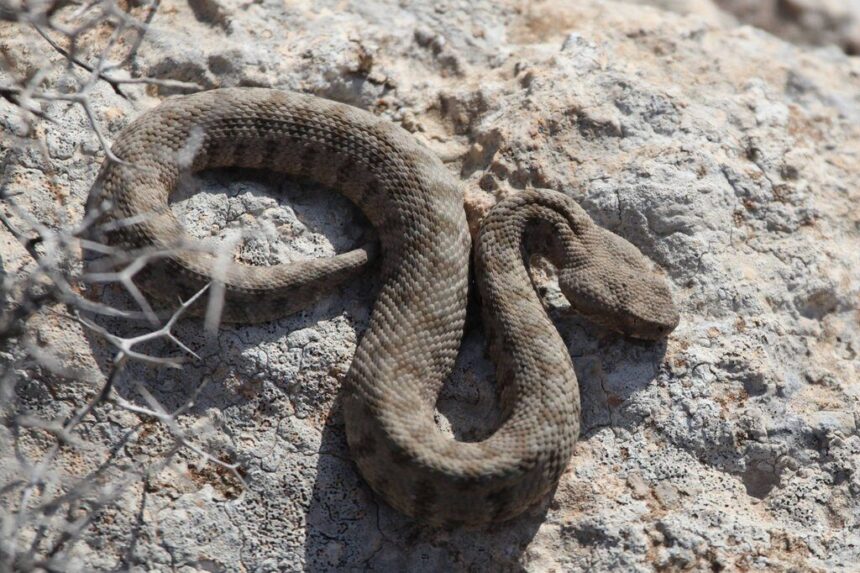
Among the eight snake species inhabiting Cyprus, three are venomous. The Cyprian blunt-nosed viper (Macrovipera lebetina) is the most dangerous, possessing potent venom that can lead to serious health complications. The Montpellier snake (Malpolon insignitus) and the European cat snake (Telescopus fallax) are also venomous but pose minimal threat to humans.
The Large Whip Snake (Dolichophis jugularis) is the most commonly encountered snake on the island. This non-venomous species tends to avoid human interaction and feeds primarily on smaller snakes, rodents, and insects. Notably, Cyprus is home to two unique, non-venomous species: the Cyprus Whip Snake and the Cyprus Grass Snake, both harmless to humans.
Identifying the Blunt-Nosed Viper
The blunt-nosed viper can be identified by its triangular head and stout body, typically exhibiting a yellowish-grey or light brown colour. This snake is generally found near water sources in North Cyprus and is known for its slow movement.
Access to Medical Care
In the event of a snake bite, the good news is that all medical centres and hospitals in Cyprus are equipped with anti-venom. Prompt medical attention is crucial, and those bitten can expect to survive if they seek help quickly.
Safety Guidelines for Outdoor Activities
To minimise the risk of snake encounters, particularly during the breeding season in May, the Ministry of Agriculture has issued several safety recommendations. These include:
- Wearing closed-toed shoes and long trousers when walking in the countryside.
- Using a stick to stir the grass and bushes ahead, as snakes tend to retreat from ground vibrations.
- Limiting potential food and water sources that may attract snakes.
- Removing hiding spots such as stones, wood, and old furniture.
- Cutting tall grass and maintaining bushes to a manageable height.
- Sealing cracks in storage areas and other spaces to prevent snakes from entering.
Nick Sanna, an expert on local snakes, reassures that all species in Cyprus are generally more afraid of humans than vice versa. This natural aversion means that maintaining distance and allowing snakes to move away is often the best approach.