Uber launched a takeover bid for Delivery Hero on Thursday, valuing the German company at $14.8 billion. This move aims to create the largest food-delivery group outside China, amid escalating competition in the industry.
Strategic Acquisition Amidst Growing Competition
The acquisition reflects Uber’s ongoing strategy to expand its global food-delivery business, especially as competition intensifies with rivals such as Just Eat and DoorDash. The latter has been rapidly expanding its footprint, posing a significant challenge to both Uber and Delivery Hero.
Creating a Global Delivery Network
By acquiring Delivery Hero, Uber intends to establish a platform that spans 99 countries, boasting a combined pro-forma gross merchandise value (GMV) expected to reach $236 billion by 2025. This contrasts starkly with Meituan, China’s leading food delivery service, which reported a GMV of approximately 1.67 trillion yuan (about $246.5 billion) last year.
Leadership Insights on the Deal
Uber CEO Dara Khosrowshahi emphasized the benefits of the acquisition, stating, “Together, we’ll nearly double the number of markets where we offer both mobility and delivery services.” He expressed confidence that the deal would enhance long-term value for both customers and shareholders.
Complex Regulatory Landscape Ahead
The proposed acquisition is likely to face a challenging regulatory review process. Uber, already the largest shareholder in Delivery Hero, has made its offer contingent upon securing at least 50 per cent plus one share in acceptance. The management and supervisory board of Delivery Hero have expressed support for the transaction, which is anticipated to be finalised in the latter half of next year.
Financial Details and Market Reactions
The offer includes a price of €41.50 per share, which represents a roughly 34 per cent premium on Delivery Hero’s three-month volume-weighted average share price. Following the announcement, Delivery Hero’s shares saw an increase of around 5.7 per cent in premarket trading, although they fluctuated shortly after market opening.
Addressing Antitrust Concerns
As Uber and Delivery Hero share a significant presence in several overlapping markets, the acquisition is expected to draw scrutiny from antitrust regulators. In a bid to alleviate these concerns, Delivery Hero has agreed to divest part of its operations in 14 markets to U.S.-based investment firm SSW Partners for approximately €1.4 billion.
Shareholder Dynamics and Support
Prosus, a major shareholder in Delivery Hero, has also committed to selling its stake of just under 17 per cent, which should facilitate the acquisition process. This alignment among key shareholders reduces the likelihood of competing bids or demands for a higher purchase price.
Analysts Weigh In on the Acquisition Timeline
Industry analysts at Jefferies have noted that the approval process may be lengthy and complex, predicting a “long slow march” to completion. They highlighted the strategic advantage of involving a financial investor to address antitrust issues but cautioned that the timeline suggests a challenging review process.
Delivery Hero’s Position in the Market
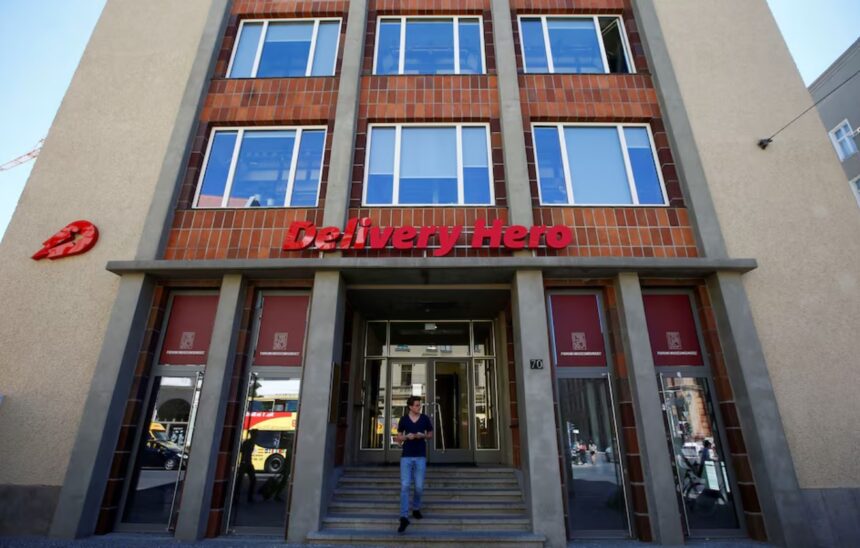
Delivery Hero has established itself as a major player in the global food delivery sector, owning well-known brands such as foodpanda, Talabat, and Glovo. Founded in Berlin in 2011, the company has rapidly expanded through acquisitions, although it has made moves to retreat from certain markets under pressure to improve profitability.
Uber’s Commitment to Investment
Uber’s interest in expanding its food delivery capabilities follows its acquisition of Postmates, a U.S. food delivery service, in 2020 for $2.65 billion. In addition to the acquisition of Delivery Hero, Uber has pledged to invest €2 billion in Germany through 2031, reinforcing its commitment to the European market. The company has also agreed to maintain Delivery Hero’s Berlin headquarters and workforce until at least 2029.
Future Implications for Both Companies
As the food delivery sector continues to evolve, the potential merger between Uber and Delivery Hero could reshape the competitive landscape, providing both companies with enhanced resources and capabilities to stay ahead in the market. The success of this acquisition will largely depend on navigating the regulatory hurdles and achieving shareholder buy-in.