Several points of convergence were identified in the latest discussions surrounding the Great Sea Interconnector during a meeting in Athens on Friday.
- Several points of convergence were identified in the latest discussions surrounding the Great Sea Interconnector during a meeting in Athens on Friday.
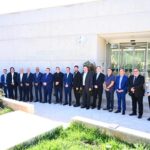
The meeting, attended by representatives from Cyprus’ energy regulatory authority (Cera) and Greece’s regulatory body (Raeww), included Greece’s deputy energy minister Nikos Tsafos and Cyprus’ ambassador in Athens, Stavros Avgoustides. Reports indicated that the atmosphere was highly constructive, with all regulatory issues concerning the interconnector project raised and addressed.
These discussions followed a teleconference convened by European energy commissioner Dan Jorgensen, who brought together Cypriot Energy Minister George Papanastasiou and his Greek counterpart, Stavros Papanastasiou, on Thursday night. A joint statement from that meeting highlighted the commitment of all parties to advance the project, emphasising a spirit of unity and mutual trust.
Jorgensen remarked that the interconnector is a project of significant importance for the European Union, reinforcing its relevance amidst ongoing discussions. However, tensions remain, particularly as Cypriot Finance Minister Makis Keravnos accused Papastavrou of spreading “fake news” regarding the project’s feasibility.
The disagreement further escalated when Greek Foreign Minister Giorgos Gerapetritis sought clarity on Cyprus’ stance on the interconnector. He underscored the importance of technical and economic viability for securing European funding, stating that it is a crucial factor that cannot be overlooked.
Keravnos’ comments came in response to statements made by Papastavrou, who claimed to possess studies indicating the project’s unsustainability. Keravnos defended the legitimacy of these studies, asserting they were commissioned by Energy Minister Papanastasiou and previously shared with Greece’s energy ministry.
The ongoing discord reflects deeper issues regarding the financial commitments tied to the interconnector project. The Cypriot government had initially agreed to make five annual payments of €25 million to Greece’s independent transmission system operator, Admie, to help finance the project. However, these payments have been withheld due to perceived stagnation in the project’s progress and differing opinions on funding sources.
Papanastasiou previously stated that Cyprus would release the first €25 million instalment only when the project is fully implemented, noting that merely constructing cables does not suffice to meet this requirement. The Republic of Cyprus had intended to utilise funds from the European Union’s emissions trading system (ETS) for these payments to alleviate taxpayer burdens. Yet, Admie warned that this arrangement might conflict with EU state aid regulations, leading to calls for Cera to start charging consumers instead.