
fuel supply — Cyprus does not currently face a shortage of aviation fuel, according to Energy Minister Michalis Damianos. Speaking on Thursday, he reassured citizens that while the government is closely monitoring the situation in the Middle East, there is no immediate cause for concern regarding fuel supplies.

Photo: cyprus-mail.com
This statement marks the second time this week that officials have addressed public anxieties over potential jet fuel shortages. Just days earlier, the transport minister echoed similar sentiments, emphasising the stability of fuel stocks during a press conference.
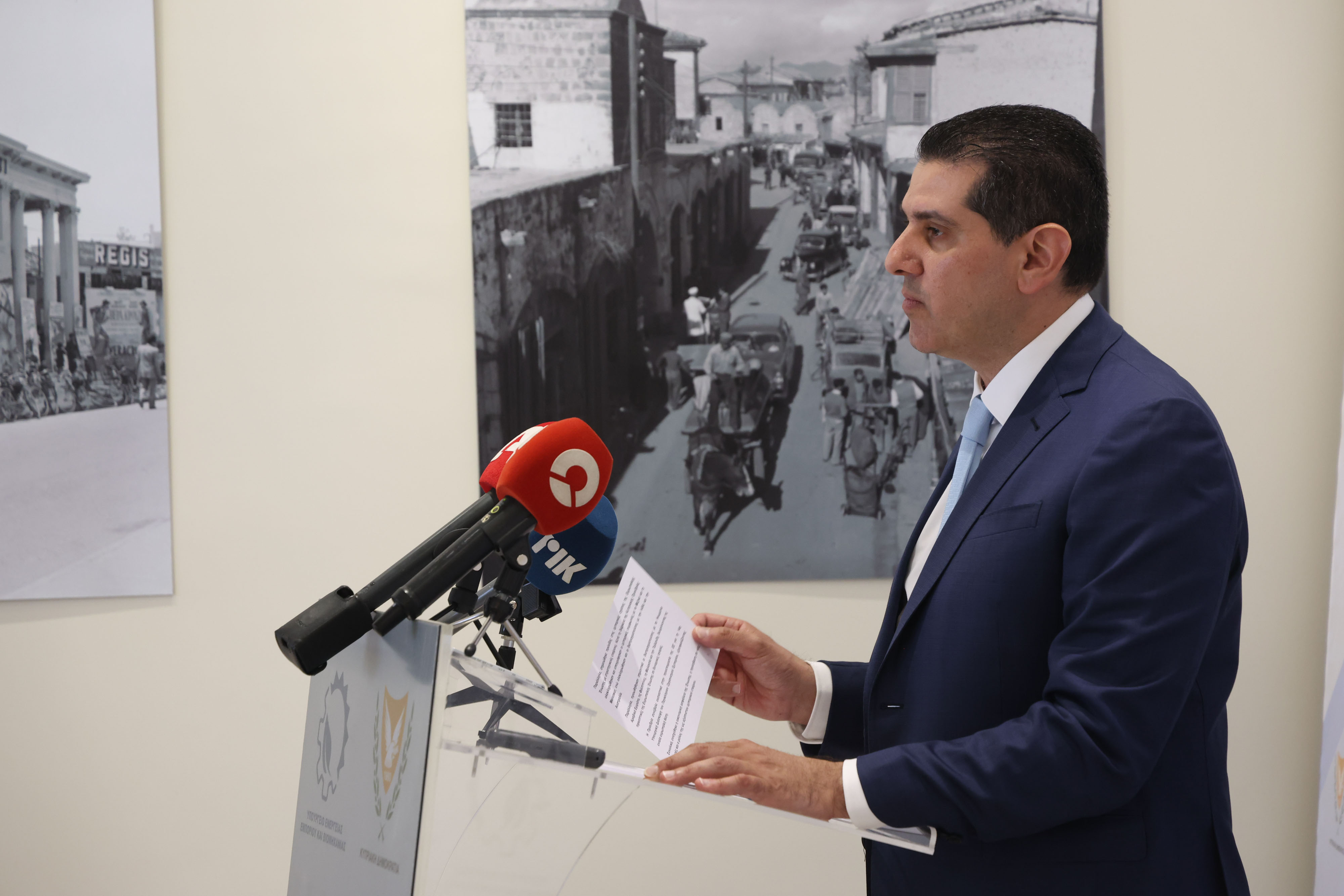
Photo: cyprus-mail.com
Damianos highlighted that the government is vigilant but optimistic about maintaining adequate fuel supplies. “As far as adequate fuel stocks go, we don’t think there is a problem,” he stated, reassuring the public that the current situation appears manageable.
Despite the ongoing conflict in the Middle East, which has impacted global oil flows, Cyprus imports aviation fuel primarily from the Haifa refinery in Israel and the Aspropyrgos refinery in Greece. A critical point of concern is the Strait of Hormuz, a strategic waterway through which about 20% of global oil transits. The recent hostilities have raised fears about future disruptions in fuel supply.
Recent reports from news agency Reuters indicate that Europe is facing tighter jet fuel supplies, with inventories standing at 38 million barrels at the start of June, significantly lower than the 99 million barrels available in the United States. This suggests that Europe has less than 30 days of demand coverage, raising alarms among industry stakeholders.
EU Energy Commissioner Dan Jorgensen acknowledged the precarious situation during a June briefing, noting that the bloc might experience tighter jet fuel stocks as the summer holiday season progresses. To counter potential shortages, he indicated that Brussels would coordinate the release of national reserves if necessary.
On the topic of fuel prices, Damianos mentioned a slight decrease following discussions regarding a ceasefire in the region. However, he cautioned that future price movements would largely depend on geopolitical developments beyond Cyprus’ influence. To alleviate some pressure on consumers, the government has extended its reduced excise duty on fuels until mid-September.
Turning to the electricity sector, Damianos assured that the Transmission System Operator (TSO) does not foresee any issues with electricity supply this summer, despite increased demand. He also announced plans for the introduction of 120 megawatts of battery storage capacity by January 2027, which is expected to enhance the stability of the energy supply in the long term.
Reflecting on Cyprus’ recent six-month presidency of the Council of the European Union, Damianos noted the country’s role in shaping policies on trade, energy, and consumer protection. Among the presidency’s achievements, he cited the completion of negotiations on key legislative packages aimed at enhancing trade relations and strengthening Europe’s economic security.
Additionally, Cyprus has made significant strides in the area of industrial decarbonisation, pushing forward a legislative proposal intended to boost European industry while reducing dependencies on critical sectors such as steel and cement.
Damianos concluded by emphasising the importance of Cyprus’ contributions to the EU’s energy security, particularly in light of the ongoing crisis in the Middle East. His remarks reinforce the government’s commitment to ensuring the stability of fuel supplies while actively participating in broader European discussions on energy strategy.