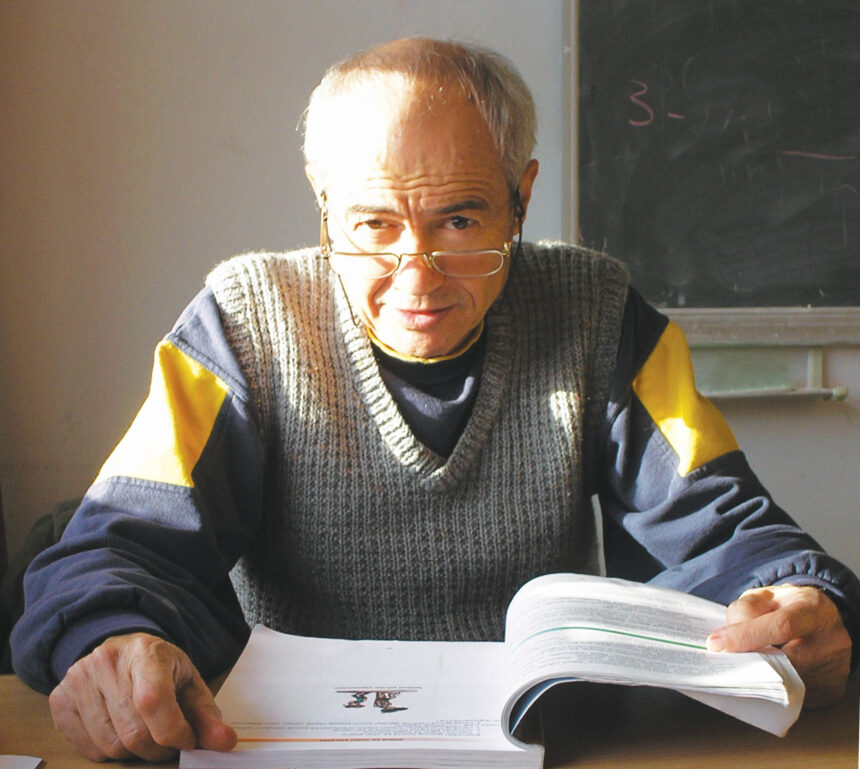
The story of the century unfolds through the lens of Kadir Kaba, a celebrated photographer whose journey began at the tender age of six in the village of Mora, Cyprus. A chance encounter with a camera ignited a passion that would lead him from his humble beginnings to the bustling streets of London, and back to his roots in Cyprus, where he has become a pivotal figure in the history of Cypriot photography.
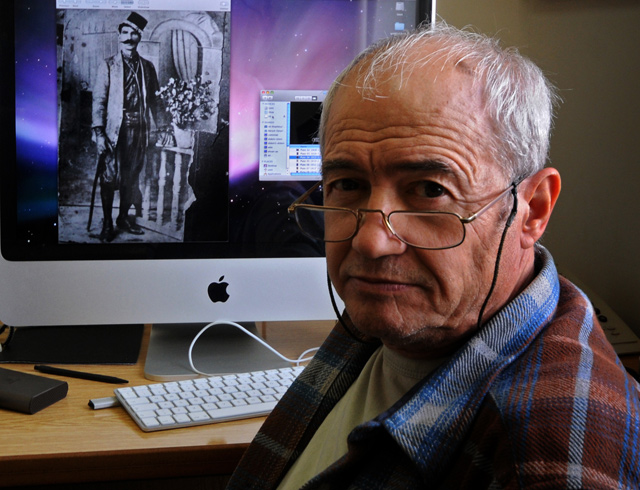
Photo: cyprus-mail.com
A Lifelong Passion for Photography
It all started when Kaba met Hamid Ucok, a visiting Turkish Cypriot villager who shared his love for photography. “He liked me very much and because I was interested, he gave me his camera once and showed me how to press the button. I loved it,” Kaba recalls. This early experience left a lasting impression on him, though it would be many years before he picked up a camera again.

Photo: cyprus-mail.com
From Language Classes to Dark Rooms
After moving to London, Kaba initially set out to study accounting. However, his passion for photography surged once more when he borrowed a Russian Zenit camera from his boss at a dry cleaners. “No more accountancy, money management, everything was finished!” Kaba exclaimed, as he immersed himself in capturing the vibrant life around him. His burgeoning skills led him to a position as a darkroom printer at a popular Turkish Cypriot photographic studio, Wedding Bells, and he soon enrolled in the School of Photography at Paddington College.
Finding His Footing in North Cyprus
Upon returning to Cyprus in February 1982, Kaba faced a challenging job market. Despite his education and experience, opportunities were scarce. Rather than being discouraged, he established his own photographic studio in the old town, which he operated until 2002. Kaba’s dedication to the craft did not wane; he also opened a photographic gallery in the Buyuk Han and took on teaching roles at local universities.
The Pursuit of Cypriot Photography History
As Kaba settled into his career, he began to delve into the history of photography in Cyprus. “When I was studying in London, one of the subjects they were teaching was the history of photography,” he said. This curiosity eventually led him to uncover the rich tapestry of Cypriot photographic history. His research opened doors to forgotten names and stories, revealing a vibrant past that intertwined various cultures on the island.
Uncovering Historic Treasures
Kaba’s dedication to research has resulted in several significant publications, including his latest work, History of Cypriot Photography 1839-1939. The Story of the Century. This book chronicles the early days of photography in Cyprus, shedding light on both local and foreign photographers who left their mark on the island. Notably, Kaba has established 1849 as the year the first known photograph was taken in Cyprus, a groundbreaking discovery that challenges previous assumptions about the timeline of photography on the island.
A Multicultural Legacy
In his book, Kaba highlights the collaborative spirit that characterised Cypriot photography. He showcases how Turkish Cypriot photographers captured the essence of Greek Cypriot life and vice versa, alongside the contributions of Armenian photographers. This multicultural legacy is beautifully illustrated in photographs that depict shared moments across communities, including works by the first female Turkish Cypriot photographer, Ismet Sevki.
The Future of Cypriot Photography
Kadir Kaba’s passion for photography and history continues to inspire both new generations of photographers and enthusiasts alike. His meticulous research and dedication to documenting Cyprus’s photographic history ensure that these stories will not be forgotten. As Kaba reflects on his journey, he remains committed to sharing this knowledge, ensuring that the rich heritage of Cypriot photography lives on through his writings and teachings.