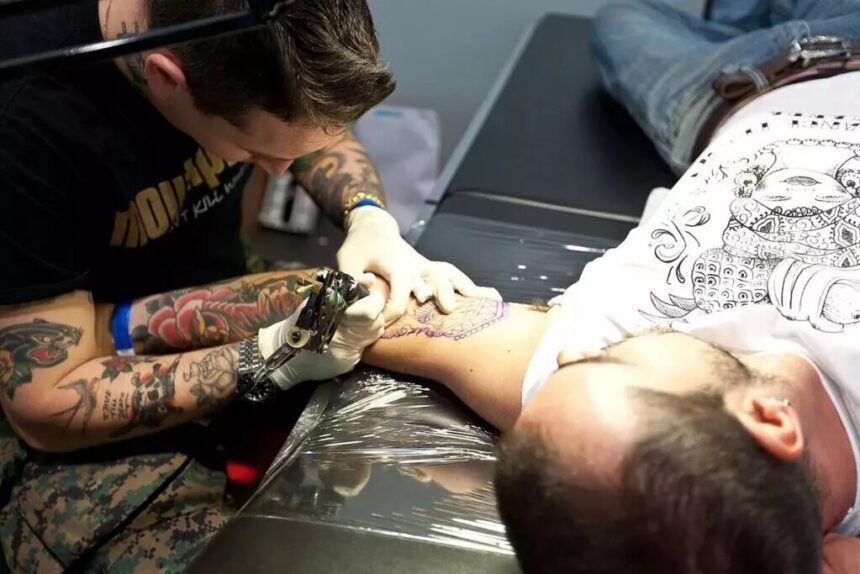
The ongoing legislative mess surrounding tattoo parlours is putting public health at significant risk, as highlighted in a recent report by the Ombudsperson.
- The ongoing legislative mess surrounding tattoo parlours is putting public health at significant risk, as highlighted in a recent report by the Ombudsperson.
Tattoo parlours: Legal Paradox for Tattoo Artists
The Ombudsperson’s findings reveal a troubling contradiction: existing laws require tattoo artists to obtain a certificate of practice commencement from an approved studio. Yet, Cyprus has yet to approve or license a single tattoo studio, leaving many practitioners in a precarious legal situation.
Ombudsperson’s Concerns
Maria Stylianou Lottides, the Ombudsperson, expressed serious concerns about the implications of this inaction. She stated, “The prolonged inaction from the inability to implement the existing legislation… puts customers, staff, and public health at risk.”
Challenges Faced by Tattoo Professionals
The Commissioner’s investigation was initiated following a complaint from a tattoo artist whose application for registration was rejected. After nearly a year of waiting, the artist received an oral refusal without any formal written communication, violating principles of Administrative Law.
This lack of transparency not only affects the individual artist but reflects a systemic issue within the Ministry responsible for regulating the sector. Even with the necessary qualifications, the artist’s application was doomed due to the absence of an approved studio.
Absence of Regulation
With no licensed studios in operation, there is no legal framework to govern tattoo practices. This gap means that the Health Ministry cannot conduct systematic checks to ensure that sanitation and hygiene standards are upheld. The Commissioner pointed out that this failure to enforce legislation poses a direct risk to public health.
Urgent Call for Legislative Reform
In her report, Lottides urged the Ministry of Health to take immediate action to amend the law to facilitate the licensing of studios and to review the professional qualifications required for tattoo artists. The ongoing legislative inertia, she warned, continues to expose the public to unnecessary risks.